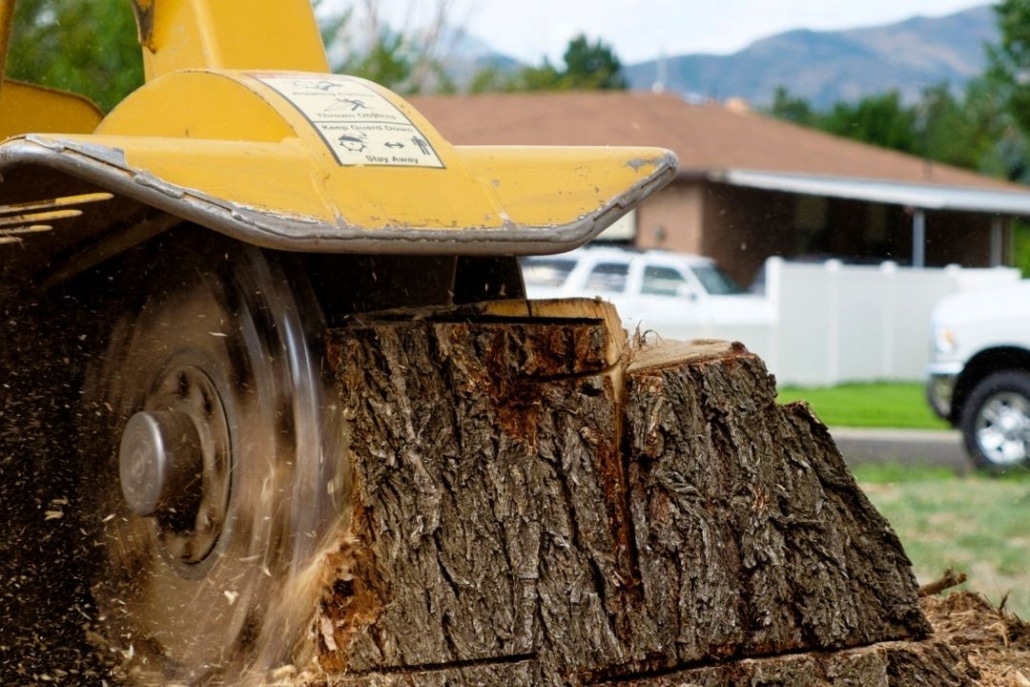
Tree stumps may look harmless, but they can be a real nuisance—and even a hazard—in your yard. From causing tripping accidents to attracting pests, an untreated stump can undermine your landscape’s beauty and safety. Whether you’re planning to improve your yard’s aesthetics, reclaim space for a new project, or prevent long-term issues, removing a stump is a smart move.
Need help removing a stubborn tree stump? Panorama Tree Care’s certified arborists in Tampa Bay offer professional stump grinding and removal services backed by over two decades of experience.
Key Takeaways: DIY Tree Stump Removal
- Digging around the roots works well for large stumps with deep root systems.
- Pulling up roots by hand is effective for small or shallow-rooted stumps.
- Using a chainsaw helps speed up removal but requires caution and experience.
- Chemical rotting with nitrogen-rich substances is a passive, low-effort method ideal for long-term results.
- Safety tip: Always wear protective gear and follow equipment guidelines.
Why You Should Remove a Tree Stump
Tree stumps often create more problems than they solve. Here are the top reasons homeowners choose to get rid of them:
1. Tree Stumps Can Be Hazardous
Old stumps with protruding roots pose tripping hazards, especially for children and pets. They can also attract pests like termites and fungi, which can spread to nearby plants or structures.
Key takeaway: Tree stumps present real safety and pest risks.
2. They Limit Yard Use
A leftover stump can take up valuable space and disrupt your landscaping plans. Whether you want to install a garden, set up outdoor seating, or simply enjoy a clean lawn, the stump gets in the way.
Key takeaway: Stumps reduce your yard’s functionality and design flexibility.
3. They Diminish Curb Appeal
Visually, stumps can make a well-maintained yard look unfinished. If they block views of your patio, garden, or water features, they quickly become eyesores.
Key takeaway: Stumps hurt your property’s appearance and perceived value.
In short, stump removal restores safety, beauty, and full usability to your yard. Whether you do it yourself or hire an expert, it’s an investment that pays off.
The Four DIY Tips For Removing A Tree Stump
1. Dig Around The Roots
The best way to remove a tree stump is to start digging around the roots. Now, this may take a while because if the stump is quite large, the roots can be buried deep in the ground for 3-5 feet. With that in mind, digging around the roots allows you to slowly cut back at the root system of the stump and be able to dig up dirt. With this in mind, you want to use high quality and durable shovel. Our piece of advice is that the digging technique works best when the roots are almost at the surface.
2. Pull Up The Roots
This next technique is the tree stumps of smaller or thinner trees. If you have the arm strength to be able to pull up the roots of a tree stump, you can simply pull and the stump will come right out. It may take a bit of handwork and pulling. However, it is much easier than digging up the roots. As we said above, this is the predominant and best method for smaller trees and shrubs.
3. Use A Chainsaw
Another one of the best DIY tips for removing a tree stump is using a chainsaw. Now, if you have never used a chainsaw before, it is crucial to be extremely careful. With that in mind, a chainsaw is one of the best methods to quickly chip away at the tree stump and be able to cut back the root system as well as the stump in a quick and effective manner.
Not comfortable using a chainsaw? Our stump grinding and removal Tampa service ensures safe and efficient results without the hassle.
4. Rot The Tree Stump
Now, this is a method that may take a couple of days to take effect. If you want to remove your stump, then you can rot it from the root. By utilizing a high-nitrogen substance and adding water, you can rot your tree stump.
The way to do this is by drilling holes eight to ten feet deep into the stump and pouring the substance with water into the stump.
With that in mind, the stump will rot away and wither. Once it has rotted, you can remove the excess stump easily and fill the hole with dirt and nutrients to match the rest of your backyard.
After stump removal, soil restoration and tree fertilization help rejuvenate the area.
What Will You Do After The Stump Is Gone?
Now that you have all of this new space, what are you going to do with your tree stump? When an individual wants to remove a tree stump, it is mostly because it is hazardous or to use that space for something else.
If the tree is still intact, full tree removal and cleanup may be the first step before dealing with the stump.
Let the professionals handle your stump removal — contact us today for a free consultation and get your backyard back.