TL;DR: Every live limb on your tree is doing work you don’t see. It’s making food, building strong wood, sealing old wounds, and helping that tree ride out Florida’s heat and hurricanes.
Strip off too many live branches and you starve the tree, weaken its structure, invite decay, and often make it more likely to fail in storms. Live branch removal in Florida should always be minimal, clearly justified, and kept within ANSI A300 pruning types and limits.
Key Takeaways
- Every live branch adds to your tree’s photosynthesis capacity, stored energy, root growth, and wound response. Taking off too many live limbs is like cutting a tree’s paycheck in half.
- Those small interior branches most people want removed are what build structural taper. Strip them out and you create long, skinny, break-prone branches that are bad news in Florida hurricane winds.
- Each live limb cut is a permanent wound. More and bigger cuts mean more openings for decay fungi, which love Florida’s hot, humid air.
- Cleaning out the middle and leaving foliage only on the ends increases the wind sail effect. That pushes wind loads to the tips and unions, often raising storm failure risk instead of lowering it.
- ANSI A300 and ISA guidelines recommend removing no more than about 25% of live foliage in one pruning session, and for mature trees in Florida the safe number is often lower.
- Live branch removal is properly used for clearance, access, structural correction, and hazard reduction only. It should never be done just to “thin it out,” “clean the inside,” or “make it look lighter.”
- Over-pruned trees usually answer back with epicormic shoots (water sprouts). That weak, fast growth costs you more in future pruning and raises long-term risk.
- Good hurricane-ready pruning in Florida protects live crown ratio and interior foliage so the tree can balance wind loads and stay resilient when the storms roll through.
Quick Definitions: What Is “Removing Live Tree Limbs”?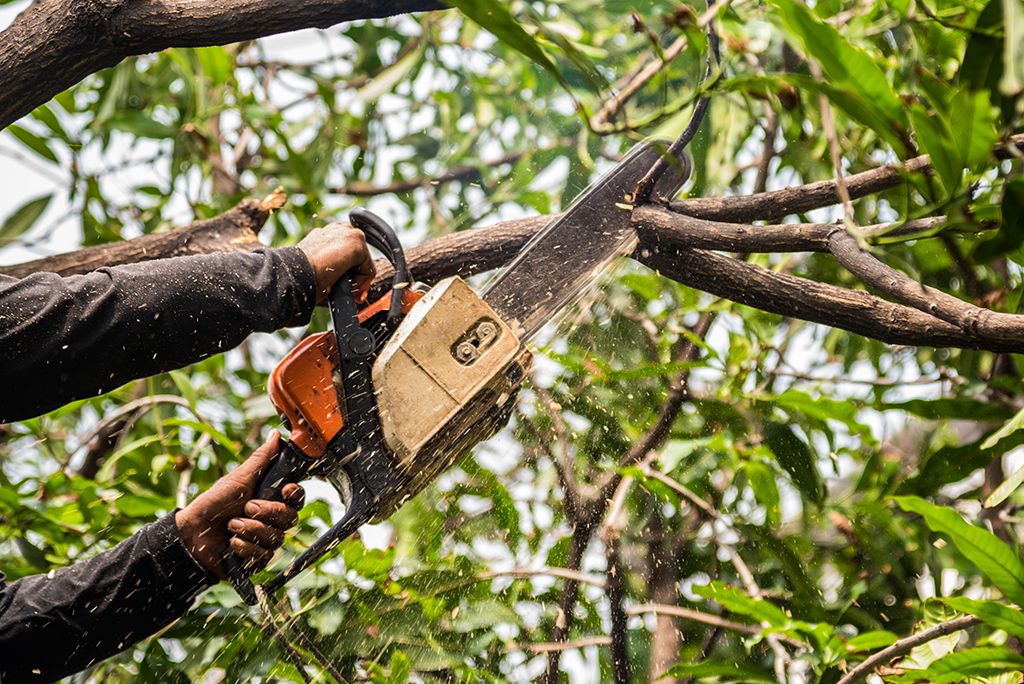
What is live limb removal?
Removing live tree limbs means cutting branches that still have green leaves and are actively producing sugars. You’re not just clipping clutter. You’re taking out working parts of the canopy. Unlike deadwood removal, live limb removal directly cuts down a tree’s photosynthesis capacity and stored energy.
Why does it matter?
Each live branch is tied into your tree’s canopy energy balance, its structural framework, and its internal defense system. Unnecessary live limb removal leads to energy loss, structural weakening, chronic wounds and decay, and higher hurricane vulnerability. That shows up years later as dieback, hollow wood, and broken limbs in storms.
When is it acceptable?
Live limb removal makes sense only when it lines up with ANSI A300 pruning limits and ISA live branch guidelines. That usually means you’re pruning for safety, clearance around structures, structural correction, or smart storm preparation. Never just because the tree “looks too full” or a neighbor said you should “open it up.”
Reason #1 — Energy Starvation (Every Live Branch Feeds the Tree)
Every live branch is a photosynthesis unit feeding the whole tree. Those sugars power root growth, wound closure, and disease resistance. Remove too many live limbs and you slash photosynthesis capacity, burn through stored energy, and leave the tree stressed and vulnerable to pests, drought, and storms.
Every Live Branch Is an Energy Factory
Think of your tree like a business. The leaves are its workers and each live branch is a department full of those workers. Through photosynthesis, every leaf is turning Florida sunlight into sugar, and that sugar is used to:
- Fuel annual root growth so the tree can anchor solid and pull water and nutrients from our sandy, often compacted Florida soils
- Power wound closure and internal defenses that seal off damaged or decayed wood
- Produce defense compounds that help keep borers, scale insects, and fungal diseases in check
- Build and maintain structural wood in the trunk and main limbs so the tree can handle everyday wind and big storms
Take away live branches and you’re not just removing shade. You’re permanently shrinking that tree’s photosynthesis capacity. A thick, healthy limb with a lot of foliage often carries a huge chunk of the production load, especially on one side of the canopy.
Live Branch Energy Contribution (EAV Overview)
On a typical healthy shade tree in Florida, especially live oaks, maples, and laurel oaks, live limbs pull more weight than most folks realize:
- Photosynthesis share: A single substantial live limb can contribute 5–15% or more of your tree’s total canopy photosynthesis, depending on its size, height, and sun exposure.
- Root feeding contribution: Sugars made in those leaves travel down the phloem to feed roots and support mycorrhizal fungi. Starve the top and the roots feel it first.
- Wound healing energy source: Closing pruning wounds and storm damage takes energy. The tree uses stored sugars to drive wound compartmentalization and to grow new wood around cuts.
- Removal impact on reserves: Lop off a major live limb and you can cause a real stored energy depletion, especially if the total foliage loss creeps above 10–15% in one go.
In plain terms, removing a big live branch is like shutting down part of your house’s solar array, then wondering why the batteries die sooner. The tree still has the same bills to pay, just less income.
Why Energy Loss Hurts Florida Trees More
A tree growing in Florida is working harder than the same species in a mild, dry climate. Down here, your tree is dealing with:
- Long growing seasons that demand more energy to push leaf flushes, roots, and wood almost year-round
- Heat and periodic drought that force the tree to manage water stress and keep its stomata in balance
- Hurricane wind exposure that requires dense, well-fed root systems and strong structural wood to stay upright
So when you over-prune live branches, you hit the tree’s energy reserves right when it should be banking extra. That lost energy was needed to:
- Recover after tropical storms, including dealing with salt spray near the bay or Gulf
- Fight off fungal and bacterial pathogens that thrive in our humidity, like oak wilt look-alikes and root rots
- Seal storm-damaged areas and rebuild strong tissue around previous injuries
Once a tree falls into an energy deficit, you’ll usually start seeing warning signs over the next few seasons:
- Leaves get smaller, lighter in color, and may drop earlier
- Branch tips start to die back, especially on the sunniest, most exposed side
- The tree throws out lots of weak, fast-growing epicormic shoots along the trunk and big limbs
- Issues with borers, scale, leaf spots, and dieback increase because the tree has less to spend on defense
Live Crown Ratio and Healthy Pruning Limits
Arborists lean on a simple metric called live crown ratio. That’s the percentage of total tree height carrying live branches and foliage. It’s a quick way to judge whether a tree has enough canopy to feed itself and keep its structure sound.
Research and field experience line up pretty well:
- Young trees do best with a live crown of around 60% or more of their total height.
- Mature trees start to struggle structurally and physiologically when the live crown drops below about 40%.
That’s the thinking behind ANSI A300 pruning limits and ISA live branch guidelines. They recommend:
- Removing no more than about 25% of live foliage during any single pruning session, often less for mature or stressed trees.
- Spreading cuts throughout the crown instead of stripping the inside or one side bare.
So before you cut, ask yourself one honest question: “Does this live branch absolutely need to go, or am I pruning just because it looks busy?” If there’s no clear structural, safety, or clearance reason, that cut is probably taking energy your tree needs.
Reason #2 — Structural Weakening & Taper Loss
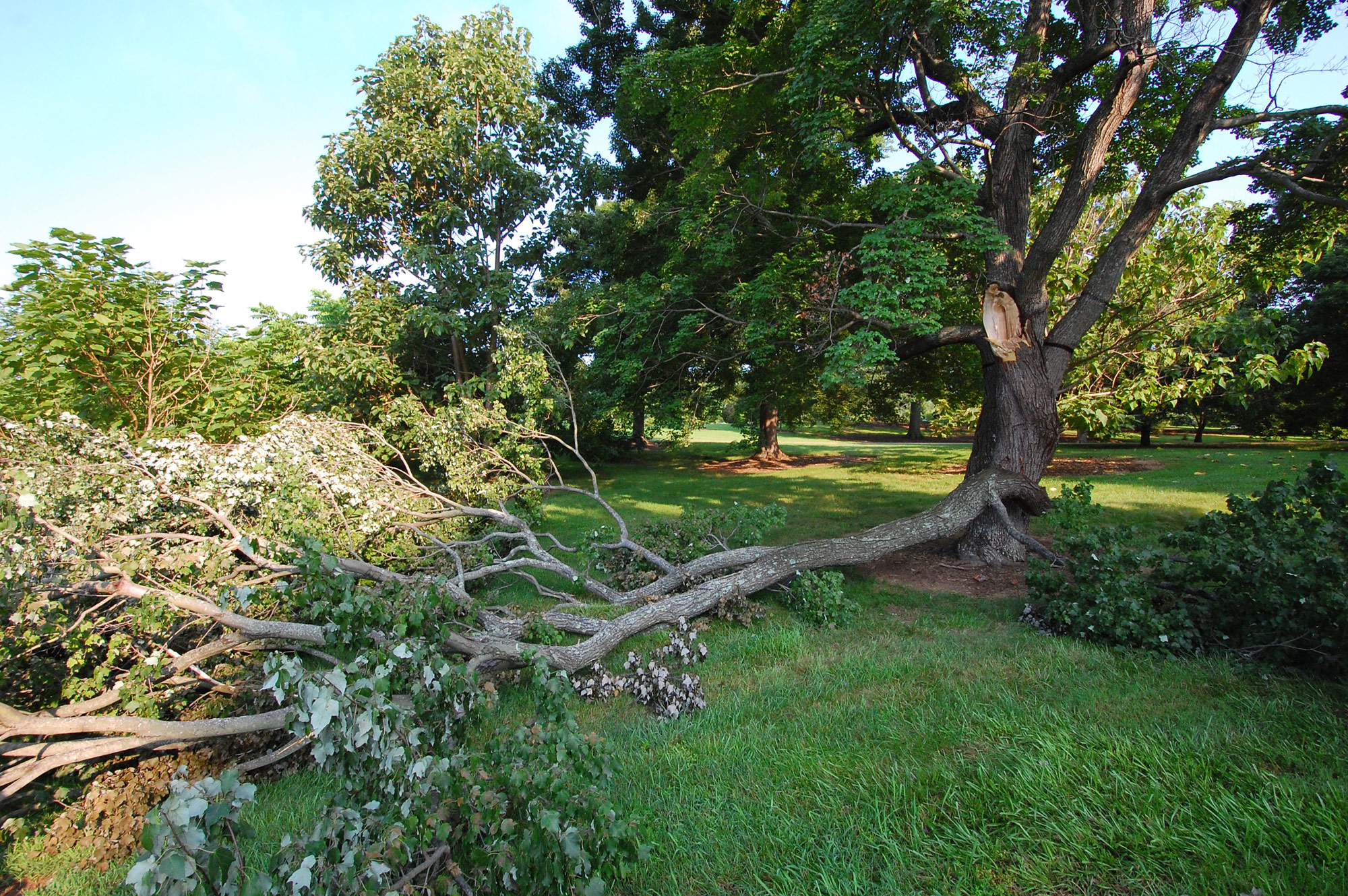
Interior live branches are what build a strong trunk and branch taper. They trigger wood production along the length of a limb, not just at the tip. Remove them and you create long, thin, poorly tapered branches that are far more likely to snap in Florida’s hurricane winds.
How Interior Branches Create Strong Wood
A strong trunk or limb isn’t a straight pipe. It’s thicker at the base and gradually narrows toward the tip. That shape is called structural taper, and it lets limbs flex safely under heavy wind and weight.
That taper builds over years, and a few things drive it:
- Wind movement causes tiny bends and flexing. The tree responds by adding extra wood where those stresses hit hardest, usually near the base and midsection.
- Interior branches add mass and stiffness along the limb. Their attachment points become spots where the tree reinforces the wood.
- A balanced foliage load helps distribute wind and weight along the limb instead of shoving everything to the tip.
Start cutting off those interior live branches, and you interrupt that natural training. Over time, the tree keeps extending the tips, but the base and middle don’t bulk up like they should. You end up with limbs that are:
- Too long for their diameter, especially on one side of the crown
- Noticeably thinner close to the trunk than a healthy limb of the same length
- Overloaded toward the ends with foliage and leverage
What Happens When You Strip Live Interior Branches
One mistake I see constantly in Florida neighborhoods is crews “cleaning out” the inside of live oaks and laurel oaks. The tree looks airy for a year or two, then the trouble starts. Common results include:
- Structural taper loss. Limbs stay skinny where they should thicken, so strength doesn’t keep up with length.
- Lever-arm effect. Those long, under-supported limbs now behave like crowbars when the wind grabs the tips.
- Sunscald on exposed bark. Bark that grew in shade suddenly bakes in full sun, especially on south and west exposures. You’ll see cracking, bark sloughing, and sections of dead cambium.
This style of pruning is closely tied to lion tailing damage, where almost all interior growth is removed and foliage is left only at the ends. It might look tidy to the untrained eye. Structurally, it’s one of the quickest ways to ruin a good tree.
Why This Matters in Florida’s Wind Climate
On a calm day, bad taper doesn’t seem like a big deal. But in Florida we don’t prune for calm days. We prune for those nights when gusts hit 70–100 mph and the wind direction shifts every few minutes.
Branches with poor taper in that kind of wind are more prone to:
- Splitting at the branch union, especially if there’s a tight “V” crotch or included bark
- Shearing off mid-branch where the wood is thin and stressed
- Peeling down the trunk, tearing large strips of bark and leaving major structural wounds
A well-tapered, well-branched canopy can bend, flex, and release energy slowly. A lion-tailed, over-thinned tree takes that force in fewer spots, at higher intensity. That is how you turn a solid oak into a yard hazard in one “prettying up” job.
Hidden Cost Most Homeowners Miss
Bad structure doesn’t just raise storm risk. It also empties your wallet over time. Weak, over-extended limbs usually lead to:
- Extra rounds of corrective pruning to shorten limbs that never should’ve gotten that long
- Cabling or bracing to keep cracked or poorly attached limbs from failing over driveways, roofs, or play areas
- Eventual full limb or even total tree removal when the decay and defects pile up
So that “cheap” aggressive pruning job can easily turn into years of higher maintenance and risk. Preserving interior live branches and taper from the start is almost always cheaper, safer, and better for your property value.
Reason #3 — Wound Entry for Disease & Decay
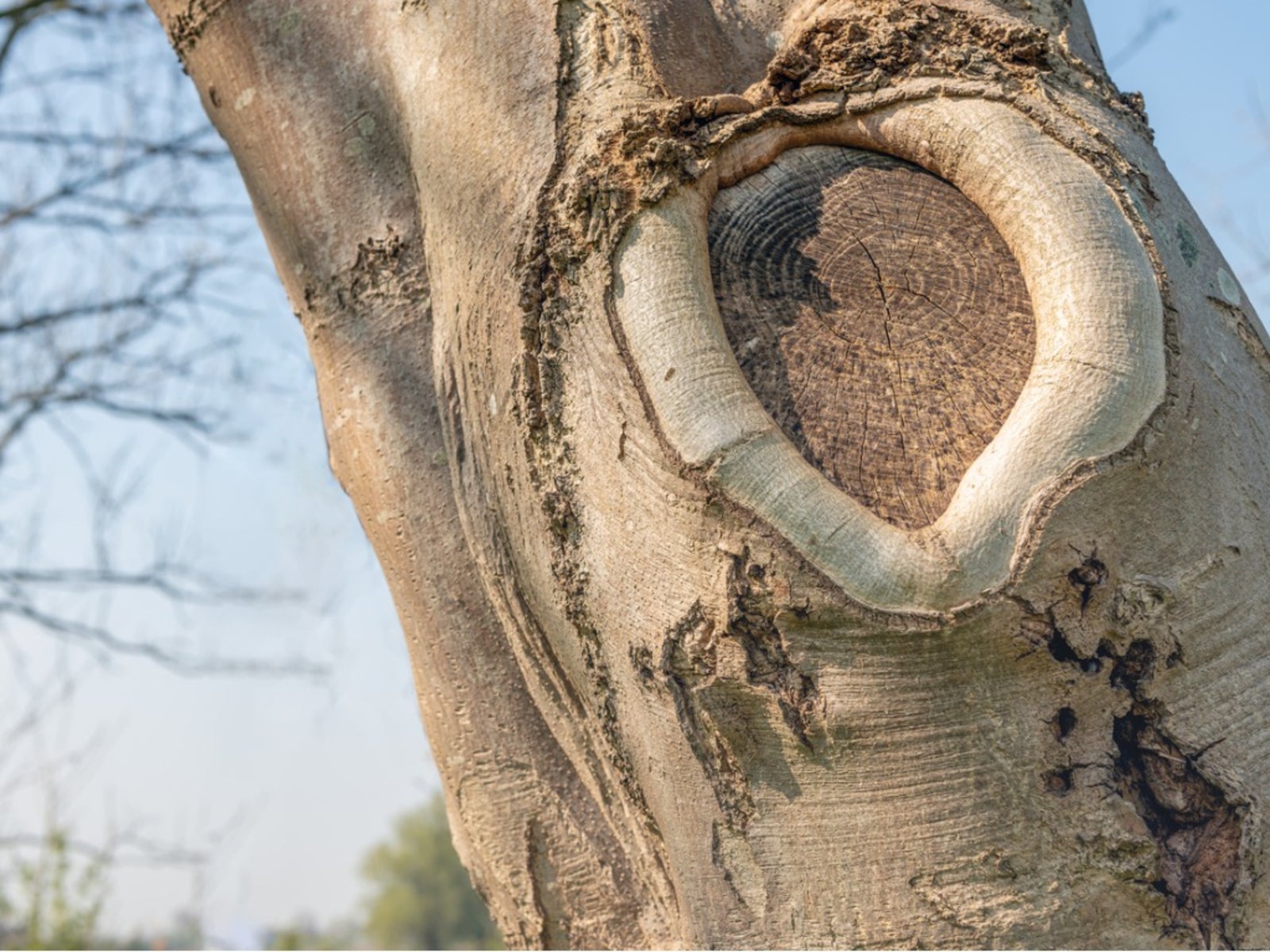
Under the CODIT model, every live branch cut is a wound that the tree must isolate with internal walls. The more cuts you make, and the bigger they are, the more chances decay fungi get. Florida’s warm, humid conditions push fungal colonization into high gear and speed up internal decay.
The CODIT Model: How Trees Respond to Wounds
Trees don’t fix damage by “healing” it like skin. They compartmentalize it. The CODIT model (Compartmentalization Of Decay In Trees) explains how trees throw up internal “walls” around wounded tissue to limit the spread of decay.
CODIT wound response attributes:
- Wall formation timeline: The tree starts compartmentalizing within weeks of a wound, but fully developed defense zones can take months to years, depending on species, tree health, and how big the cut was.
- Factors affecting success: Wound size, tree species, overall vigor, cut quality at the branch collar, and environmental conditions all affect how strong those walls get.
- Failure risk in Florida humidity: Higher than in dry climates because decay fungi and bacteria stay active nearly year-round.
- Fungal colonization speed in Florida: Very fast. Spores are in the air all the time and can start colonizing exposed wood soon after you cut, especially on large wounds that stay wet.
- Prevention: Limit both the number and size of live-wood pruning cuts, and follow ANSI and ISA standards for proper cut placement.
Every Live Branch Cut Is a Permanent Liability
Any time you remove a live limb, even with a perfect cut, you’re creating a new problem the tree has to manage for the rest of its life. Each live cut becomes:
- A fresh wound that exposes sapwood and often heartwood
- A new doorway for decay fungi, canker diseases, and wood-boring insects
- A site where the tree must burn energy to lay down CODIT walls and closure tissue
More cuts means more wounds means more energy tied up in damage control instead of growth, defense, and storage. Flush cuts that remove the branch collar or long stubs left to rot make things worse, because they weaken CODIT’s natural boundary and allow decay to run deeper and taller inside the trunk or limb.
Branch Collar and Proper Wound Closure
The branch collar is that slightly raised, often wrinkled area where a branch meets the trunk or a larger limb. It contains specialized tissue loaded with defensive chemicals and structural fibers. Proper pruning cuts are made just outside the collar, following the natural angle of the branch bark ridge.
Doing it right:
- Preserves the tree’s built-in defense tissue at the collar
- Lets the tree close the wound more quickly and evenly
- Shortens the length and severity of any internal decay column that does form
But even textbook cuts still leave wounds the tree has to wall off. That is why sound pruning is built around removing as few live branches as needed, not taking everything you can reach just to make the tree look “fresh.”
Florida’s Humid Climate: Why Over-Pruning Is Extra-Risky
Down here in Florida, your pruning wounds live in perfect fungus weather for much of the year. Our combo of heat, humidity, and summer rains means:
- Decay fungi can colonize wounds quickly and keep spreading longer into the season
- Wood near the cut often stays moist, which is exactly what decay fungi prefer
- Plenty of insects and boring pests can carry fungal spores straight into fresh cuts
Big, unnecessary wounds from aggressive live branch removal are like leaving multiple doors and windows cracked during a storm. You may not see the damage right away. But over 5–15 years those repeated entries can turn into:
- Hollow sections in trunks and large structural limbs
- Hidden decay that only shows itself when a heavy branch snaps on a calm day
- Serious structural weakness when hurricane winds hit and push on the compromised wood
Practical Insight Most People Miss
Most homeowners judge a pruning job the moment it’s finished. If it looks tidy and light, they think it was done well. That’s not how arborists think about it.
The real test of good pruning is:
- How solid the wood is in 5–10 years, not how open the canopy looks this week
- Whether the tree is still sound when it takes a big wind event in hurricane season
Minimal, carefully chosen live limb cuts today often mean your tree still has enough sound wood to stand strong when your neighbor’s over-pruned tree is failing across the street.
Reason #4 — Florida Hurricane Wind Vulnerability

Stripping live interior branches for views or “thinning” often backfires in storms. It creates a wind sail effect by putting most foliage at the tips, removes natural damping, and jacks up loads at branch unions. In Florida’s hurricane season, interior foliage and balanced crowns help trees shed wind energy instead of breaking.
The Wind Sail Effect from Branch Stripping
Picture a lion-tailed tree in a storm. All the leaves are pushed to the ends of long, bare sticks. That is the wind sail effect in action, and it has a few nasty features:
- Mechanism: Foliage piled at the tips turns each branch into a long lever with a big sail on the end, catching more wind where the branch is weakest.
- Load increase at branch unions: With more leverage and less interior resistance, the bending load at the branch base can spike, often by 20–50% or more compared to a well-branched, full canopy.
- Failure wind speed reduction: A limb that might have tolerated 80 mph gusts with a natural canopy may now fail at much lower speeds because it can’t spread and absorb the force.
- Florida hurricane relevance: Critical. Tropical systems bring gusty, shifting winds that hammer weak attachments and over-loaded unions from different directions.
- Prevention: Keep interior branches and foliage so wind is broken up and distributed, instead of hitting big sails at the tips.
How Interior Branches Help in Storms
There’s a long-standing myth that you should “clean out” the inside of a tree to let wind pass through. In practice, the opposite usually helps in Florida. Healthy interior live branches:
- Break up wind flow into many smaller currents that swirl around branches instead of shoving the whole tree in one direction
- Provide damping points, so the tree flexes in stages instead of whipping wildly from the trunk out
- Spread the total load along the trunk and primary limbs so no single weak spot sees all the stress
With a layered, well-branched canopy, the tree can sway and recover more smoothly, which keeps peak stress lower at any one point. Stripped-out trees move in bigger, more violent swings, putting a lot more strain on unions and trunks.
Why Over-Thinning Backfires for Hurricane Prep
Every year in late spring and summer I get calls from homeowners wanting their trees “thinned hard” before hurricane season. The idea makes sense on the surface. Less canopy must mean less wind, right? Not the way trees work.
Heavy live branch removal often causes:
- Unbalanced canopies that twist the trunk and roots under wind loads
- Foliage concentrated at the ends, which magnifies lever-arm forces along already stressed limbs
- Loss of interior damping, so the tree whips harder and sees more peak force during gusts
Effective hurricane prep pruning is targeted, not extreme. The goal is to reduce defects and end weight, clean out deadwood that will break anyway, and keep the crown balanced. Gutting healthy live limbs for the sake of “less green” is a good way to set that tree up for failure.
Live Crown Ratio Standard and Storm Stability
A strong, storm-ready tree usually maintains a healthy live crown ratio standard. If you prune so hard that the live crown is too small, you don’t just reduce shade. You weaken the whole system.
Trees with overly reduced live crowns are more likely to:
- Develop less root mass over time because the tree can’t support a big root system on a tiny canopy, which raises the risk of uprooting
- Lose the ability to sway safely and instead snap or split when their limited structure is overwhelmed
- Explode with weak epicormic response that later tears out or fails easily in future storms
So your best hurricane defense is not a bare, skeletonized tree. It is a well-balanced, moderately pruned canopy with interior foliage intact, strong taper, and no obvious structural defects.
When Removing Live Branches IS Justified (Exceptions)
Some live branch removal is not only acceptable but smart, as long as it’s done carefully. Common reasons are clearance around homes and driveways, crown raising for access, structural pruning of rubbing limbs, and modest storm-prep within ANSI A300’s ~25% live foliage removal limit.
Guiding Standards: ANSI A300 & ISA Live Branch Guidelines
Good pruning work in Florida isn’t guesswork. Certified arborists follow ANSI A300 pruning limits and ISA live branch guidelines to decide what can safely be removed and how to do it without shocking the tree.
Key attributes of the ANSI A300 live branch removal limit include:
- Maximum per session: Aim for no more than about 25% of live foliage removed in a single pruning cycle. Often much less for older or stressed trees.
- Distribution requirement: Live branch removal should be spread throughout the crown, not concentrated on one side, one level, or one big section.
- Exception for hazard: If there’s an immediate hazard, such as a cracked limb over a house, more aggressive removal may be justified for safety.
- Young tree tolerance: Young, vigorous trees can handle a somewhat higher percentage removal because they rebound faster, though they should still be pruned conservatively.
- Mature tree tolerance: Mature trees usually need lower percentage live foliage removal, often staying well under 20% to avoid stress.
These numbers are upper limits, not targets. In practice, a lot of healthy Florida trees only need 5–15% live foliage removed, or just deadwood and a few minor structural cuts.
Justified Live Branch Removal (EAV Overview)
Here are the situations where taking live limbs off usually makes sense and protects your property or the tree itself:
- Clearance pruning (structure/access): Live limbs growing into roofs, siding, screened enclosures, gutters, driveways, walkways, or service drops can rub, trap moisture, and cause damage. Shortening or removing select branches reduces risk and improves access for people and vehicles.
- Crown raising for access: Trimming a few lower live limbs to create clearance for vehicles or pedestrians is often needed along driveways, sidewalks, or streets. Done in stages and not overdone, it keeps the tree safe and useful.
- Crossing and rubbing branches (structural): When two live limbs cross and rub, they damage bark and create open wounds. Removing one of the pair, using proper pruning cuts, prevents long-term structural defects and decay pockets.
- Storm thinning (within ANSI limit): Before storm season, targeted cuts that reduce heavy end weight, correct weak unions, or remove over-extended limbs can improve storm performance. The key is staying within ANSI’s live foliage limit and not gutting interior branches.
- Dead/dying branches (always): Dead, dying, or clearly diseased limbs are almost always fair game. They don’t help photosynthesis and are more likely to fail onto property or people.
- Maximum total live removal per session: For most trees, certified arborists will keep live removal below the 25% ANSI threshold, and for older, stressed, or high-value trees, they often stay far under that mark.
Decision Checklist Before You Remove a Live Branch
Before a saw touches any live limb, walk through a quick mental checklist. It keeps minor pruning from turning into major damage.
- Purpose: Am I doing this for genuine safety, clearance, structural improvement, or real storm-readiness, or am I chasing a cosmetic look?
- Alternatives: Could a shortening cut or reduction cut, instead of full removal at the trunk, solve the problem with less impact?
- Impact: Will this cut noticeably change the live crown ratio, symmetry, or balance of the tree?
- Standards: If I add up all the live foliage I’m removing, do I still fall within ANSI A300 limits for this tree’s age and health?
- Future: Is this cut likely to create weak regrowth, decay, or imbalance that will haunt me 5–10 years from now?
If you can’t answer those questions with confidence and a clear benefit, the safest move is usually to leave that live branch alone.
Panorama Tree Care’s Pruning Philosophy
At Panorama Tree Care, we treat live branches like they belong to the tree first, and the property second. Our basic philosophy is straightforward:
- Every live branch has to earn its removal with a solid, standards-based reason.
- We put tree health, safety, and long-term structure ahead of short-term “thin and tidy” looks.
- We follow ANSI A300 and ISA best practices on every pruning project, whether it’s a single oak or an entire commercial property.
This approach matters even more in Florida, where a well-structured, vigorous tree is one of the best defenses you have against storm damage, flying debris, and expensive emergency removals.
To get familiar with different types of pruning and what fits your goals best.
Common Mistakes in Live Branch Removal (and How to Fix Them)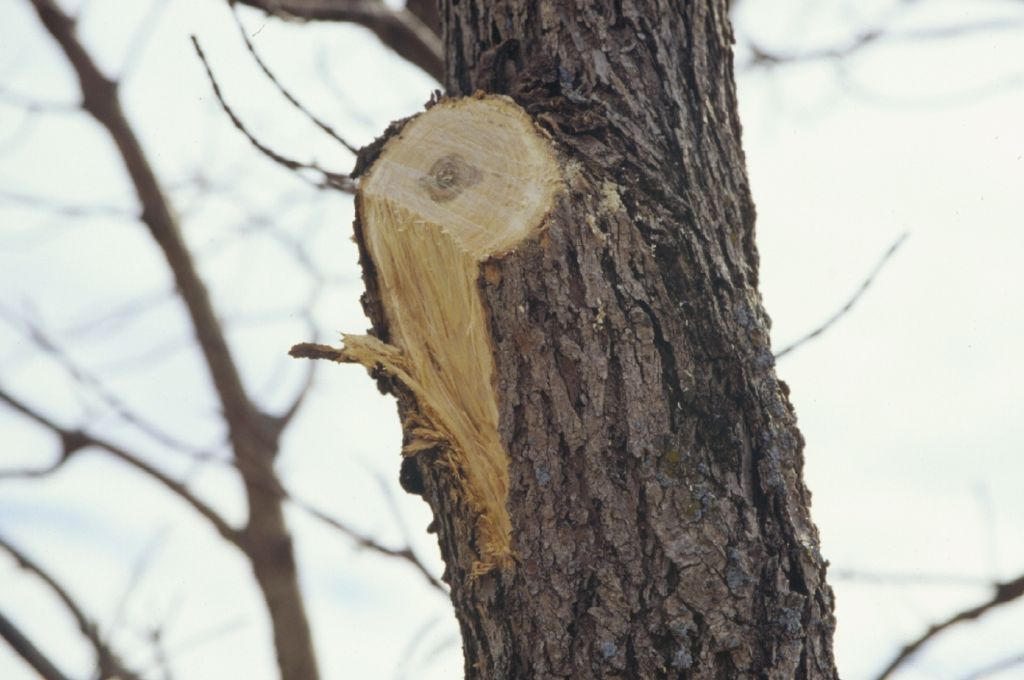
I’ve lost count of how many times I’ve seen the same pruning mistakes across yards. Most of them come from good intentions and bad information. Knowing the common errors in live limb removal helps you avoid turning a simple pruning job into a long-term headache.
Mistake 1: Over-Pruning Live Branches in One Visit
Problem: Taking off way more live foliage than the ANSI A300 live branch removal limit allows. I’ve seen trees hit with 30–50% live canopy loss in a single afternoon.
Risks: That kind of hit can cause severe energy starvation, leave bark suddenly exposed to full sun, trigger loads of weak epicormic growth, and open the door to more decay and storm failure.
Fix: Treat pruning as a multi-year plan, not a one-time purge. Keep live foliage removal within recommended limits, prioritize deadwood and obvious structural issues first, and give the tree time to recover between cycles.
Mistake 2: Stripping Interior Branches for “Clean” Look
Problem: Removing almost all interior live shoots and small branches so you can “see through” the tree or make a neat, lollipop style canopy.
Risks: This strips away structural taper support, creates the wind sail effect, raises sunscald risk, and leaves you with a weaker, more failure-prone tree in a few years.
Fix: Leave interior foliage in place as much as possible. Remove only the small branches that truly conflict with structures or each other, and avoid lion-tailing. For a deeper explanation of this damage pattern.
Mistake 3: Cutting Flush or Leaving Long Stubs
Problem: Either cutting past the branch collar and into the trunk (flush cut) or stopping too far out and leaving a dead stub that never closes.
Risks: Both mistakes mess with the tree’s CODIT defense. Flush cuts remove key defense tissue and invite deep decay. Long stubs rot back into the tree and create longer decay columns.
Fix: Make clean cuts just outside the branch collar, following the natural branch bark ridge. Skip wound paints. Focus on fewer, higher quality cuts rather than lots of sloppy ones.
Mistake 4: Using Live Branch Removal as Hurricane “Hardening”
Problem: Having crews come out every summer to aggressively thin live limbs as a yearly hurricane prep pruning ritual.
Risks: Repeated heavy live branch removal weakens structure, drains energy reserves, strips interior foliage, and actually increases the wind sail effect over time.
Fix: Aim hurricane prep at what really fails in storms: deadwood, cracked or split limbs, branches with bad unions, and heavy end weight on long limbs. Maintain crown balance and leave plenty of live interior structure. See:
Mistake 5: Treating All Trees the Same
Problem: Pruning a mature live oak the same way you’d prune a small crape myrtle, or using one one-size-fits-all template across every species on the property.
Risks: Some trees can take more pruning than others. Slower-growing or sensitive species get pushed past their safe over-pruning threshold quickly, especially once mature.
Fix: Adjust your approach based on species, age, vigor, and existing structure. Young, fast growers can handle a bit more structural work. Mature trees usually need conservative, very targeted live limb removal and longer intervals between pruning.
FAQ: Live Tree Limb Removal in Florida (2026)
Most trees can’t handle heavy live branch removal without long-term stress. ANSI A300 recommends holding live foliage removal to about 25% or less per session, and often less for older trees. Over-pruned trees may recover, but it takes time, skill, and usually more money in Florida’s urban setting.
How much live branch removal is too much for my tree?
For most trees, taking more than about 25% of the live foliage in one pruning session goes past the ANSI A300 pruning limits and starts to stress the tree. Mature or already stressed trees in Florida typically do better when live removal stays under 15–20%, and sometimes even lower.
Is it bad to remove live limbs if they’re healthy?
Yes, if you’re removing them just because they’re there. Healthy leaves are pulling their weight in photosynthesis, supporting the structure, and shading bark and roots. Cutting them off without a clear purpose leads to photosynthesis loss, structural weakening, and increased decay risk. Live branches should only come off for safety, clearance, structural correction, or legitimate storm-readiness, not just to “thin it out.”
My tree was over-pruned. Can it recover?
In many cases, yes. A lot depends on species, age, and how hard it was hit. Over-pruned trees often answer with dense epicormic shoots, which are weakly attached and need later corrective pruning. An ISA Certified Arborist can look at the damage, check vigor, and map out a corrective pruning and care plan spread out over several years to rebuild structure without adding more stress.
What is the ANSI A300 limit for live branch removal?
The ANSI A300 standard generally advises limiting live foliage removal to about 25% or less in a single pruning cycle. Mature, slow-growing, or compromised trees often need lower limits, sometimes under 15%. That guideline protects the tree’s energy reserves, structure, and long-term stability.
How does Florida’s hurricane wind exposure affect pruning decisions?
Florida hurricane wind exposure changes the rulebook. Pruning has to favor structural strength and balanced canopies. Over-thinning or stripping interior branches can actually raise storm failure risk by creating wind sail effects and weak taper. Smart hurricane pruning zeroes in on defects and excessive end weight, not wholesale live limb removal.
Should I remove live branches that are crossing or rubbing?
Often yes, but with a plan. Crossing or rubbing live limbs creates wounds and structural problems over time. Removing one of the conflicting branches, using proper branch collar cuts and staying within pruning limits, usually improves long-term structure and reduces decay risk. The key is choosing which branch to remove so the remaining limb has better form.
Can I file a complaint if a company over-prunes my trees?
If a tree service in Florida badly ignores ANSI A300 and ISA guidelines and leaves your trees gutted or topped, you may have a case to take to local consumer protection or licensing agencies. Document everything with photos before and after, keep your contract, and get a written assessment from an ISA Certified Arborist to support your complaint.
What does corrective pruning cost in Florida if my tree was over-pruned?
Costs swing quite a bit based on tree size, access for equipment, and how badly it was over-pruned. But expect corrective pruning to run more in the long run than a proper pruning job upfront. It often takes multiple visits over several years to thin out weak regrowth, restore better branch structure, and keep decay in check.
Should I remove live branches myself or hire a professional?
If you’re dealing with small, low branches and you understand proper cutting techniques, you can handle some light pruning yourself. But remember, live branch removal damage is permanent, and working on ladders or near roofs and power lines is dangerous. For larger branches, anything off the ground, or trees near structures or utilities, hiring an ISA Certified Arborist is almost always the safer and cheaper choice long term.
Final Summary: Protect Your Trees by Protecting Their Live Limbs
Live branch removal is not just tidying up. Each cut reshapes a tree’s future. You affect its energy, structure, decay risk, and hurricane resilience every time steel meets green wood. In Florida’s long growing season and storm-prone climate, the price of unnecessary live limb removal keeps compounding over the years.
- Energy starvation from photosynthesis loss leaves trees short on reserves when they need them most.
- Structural weakening from taper loss and lion tailing turns strong limbs into long, fragile levers.
- Increased decay from too many large wounds slowly hollows out trunks and main limbs.
- Greater hurricane vulnerability from wind sail effects and poor damping sets trees up to fail in storms.
Standards like ANSI A300 and ISA live branch guidelines, along with Panorama Tree Care’s on-the-ground experience, all point the same direction: take off the minimum live wood needed to meet clear, defensible objectives, and no more.
If you’re asking yourself, “Should I remove live branches from my tree?” the smartest move is to slow down and:
- Have an ISA Certified Arborist walk the tree and look for real hazards and structural issues
- Clarify your goals, whether that’s safety, building clearance, visibility, or storm prep
- Build a pruning plan that protects live crown ratio, improves structure, and respects ANSI limits so your tree stays strong and safe for the long haul
Thinking about pruning your trees in Florida?
Contact Panorama Tree Care to schedule a consultation and get a science-based pruning plan that protects your trees, your home, and your peace of mind.
Contact our tree care team for a free assessment and estimate.