Safe Tree Removal Techniques for Tampa Homeowners
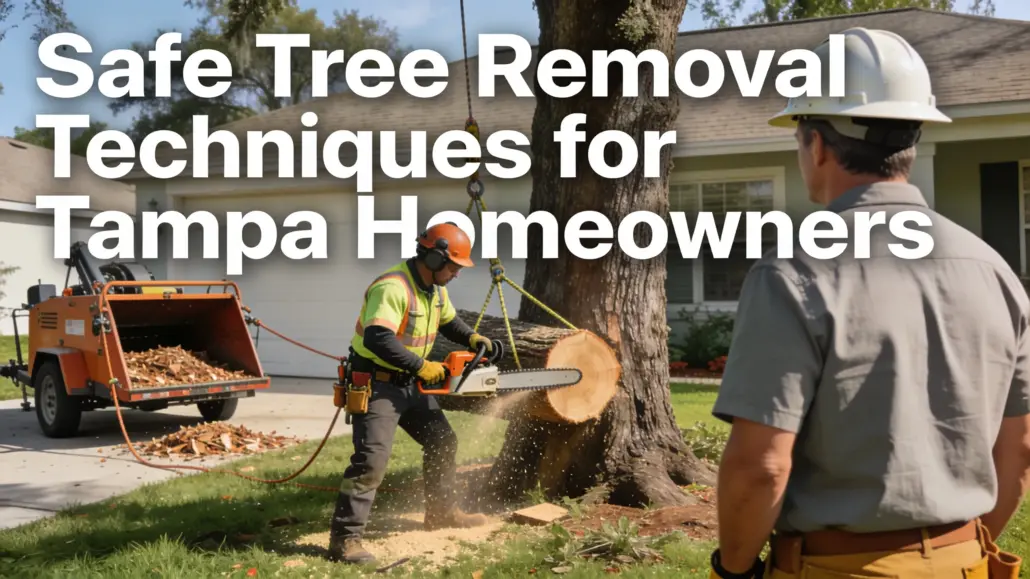
Safe tree removal for Tampa homeowners requires assessing the tree’s lean, clearing a 2x-height escape zone. Using proper cutting techniques including a notch cut followed by a back cut. Florida’s humid climate accelerates decay. Hiring an ISA-certified arborist from a company like Davey Tree Expert Company ensures compliance with Tampa municipal codes.
Safe tree removal in Tampa requires homeowners to assess tree health, size, and proximity to structures before starting any work. Also checking compliance with local regulations under section 27-284 of the city code. For hazardous or large trees, hiring ISA Certified Arborists. Like those who have served over 20,000 homeowners — ensures proper equipment use and minimal property damage.
Safe tree removal in Tampa demands professional assessment before any cutting begins. Our ISA-Certified Arborists — active in Tampa Bay for decades and ANSI A300 compliant. Evaluate tree health, structural integrity, and proximity to structures first. Hazardous trees require crane operations and precision rigging. Attempting removal without certified expertise risks serious property damage and personal injury.
Key Takeaways
Tampa city code section 27-284 protects trees, requiring homeowners to check regulations before removal work.
ISA Certified Arborists use cranes and advanced rigging to remove trees with minimal property damage.
O’Neil’s Tree Service has safely completed tree removals for over 20,000 Tampa Bay homeowners since 2008.
Hiring professional arborists remains the safest method for assessing and removing hazardous or storm-damaged trees.
Tampa city code section 27-284 protects trees, requiring homeowners to check regulations before removal work.
ISA Certified Arborists use cranes and advanced rigging to remove trees with minimal property damage.
O’Neil’s Tree Service has safely completed tree removals for over 20,000 Tampa Bay homeowners since 2008.
Hiring professional arborists remains the safest method for assessing and removing hazardous or storm-damaged trees.
What must Tampa homeowners know before starting?
Tampa trees are protected by local law under section 27-284 of the city code. Homeowners must verify full compliance before performing any tree work. Skipping this step exposes property owners to serious legal. Financial consequences that far outweigh the cost of doing things correctly from the start.
We have guided Tampa Bay homeowners through Safe Tree Removal Techniques Tampa for many years, completing thousands of projects across Hillsborough, Pinellas, Manatee, and Sarasota Counties. That experience has taught us one consistent truth: preparation prevents disasters.
Does Tampa require a permit before removing a tree?
Tampa’s municipal code actively protects trees as community assets. Removing a protected tree without proper authorization violates section 27-284 and carries real legal risk. Our ISA-Certified Arborists navigate Tampa’s Grand Tree Ordinances on behalf of homeowners, ensuring every project meets municipal requirements before a single cut is made.
How do you assess a tree before removal work begins?
Complete a thorough assessment before touching any tree. Follow these steps in order:
Evaluate the tree’s health. Look for decay, fungal growth, dead limbs, or structural cracks that signal instability.
Measure the tree’s size. Height and trunk diameter determine equipment needs and permit thresholds under Tampa’s ordinances.
Map the tree’s location. Identify proximity to structures, utility lines, and neighboring properties — each factor shapes the removal strategy.
Check for protected status. Confirm whether the tree qualifies as a Grand Tree under Tampa’s code before proceeding.
Consult a certified arborist. An ISA-Certified professional identifies hazards that untrained eyes routinely miss.
Evaluate the tree’s health. Look for decay, fungal growth, dead limbs, or structural cracks that signal instability.
Measure the tree’s size. Height and trunk diameter determine equipment needs and permit thresholds under Tampa’s ordinances.
Map the tree’s location. Identify proximity to structures, utility lines, and neighboring properties — each factor shapes the removal strategy.
Check for protected status. Confirm whether the tree qualifies as a Grand Tree under Tampa’s code before proceeding.
Consult a certified arborist. An ISA-Certified professional identifies hazards that untrained eyes routinely miss.
Panorama Tree Care has served Tampa Bay for many years. Our team brings the technical expertise and regulatory knowledge that protect your property, your neighbors. Your legal standing throughout every removal.
What tools and protective equipment are required?
Safe tree removal requires two distinct categories of readiness: personal protective equipment worn by every crew member. Heavy mechanical equipment deployed on-site. Skipping either category turns a manageable job into a dangerous one. And in Tampa’s dense residential neighborhoods, the consequences extend well beyond the crew.
What personal protective equipment do tree removal crews wear?
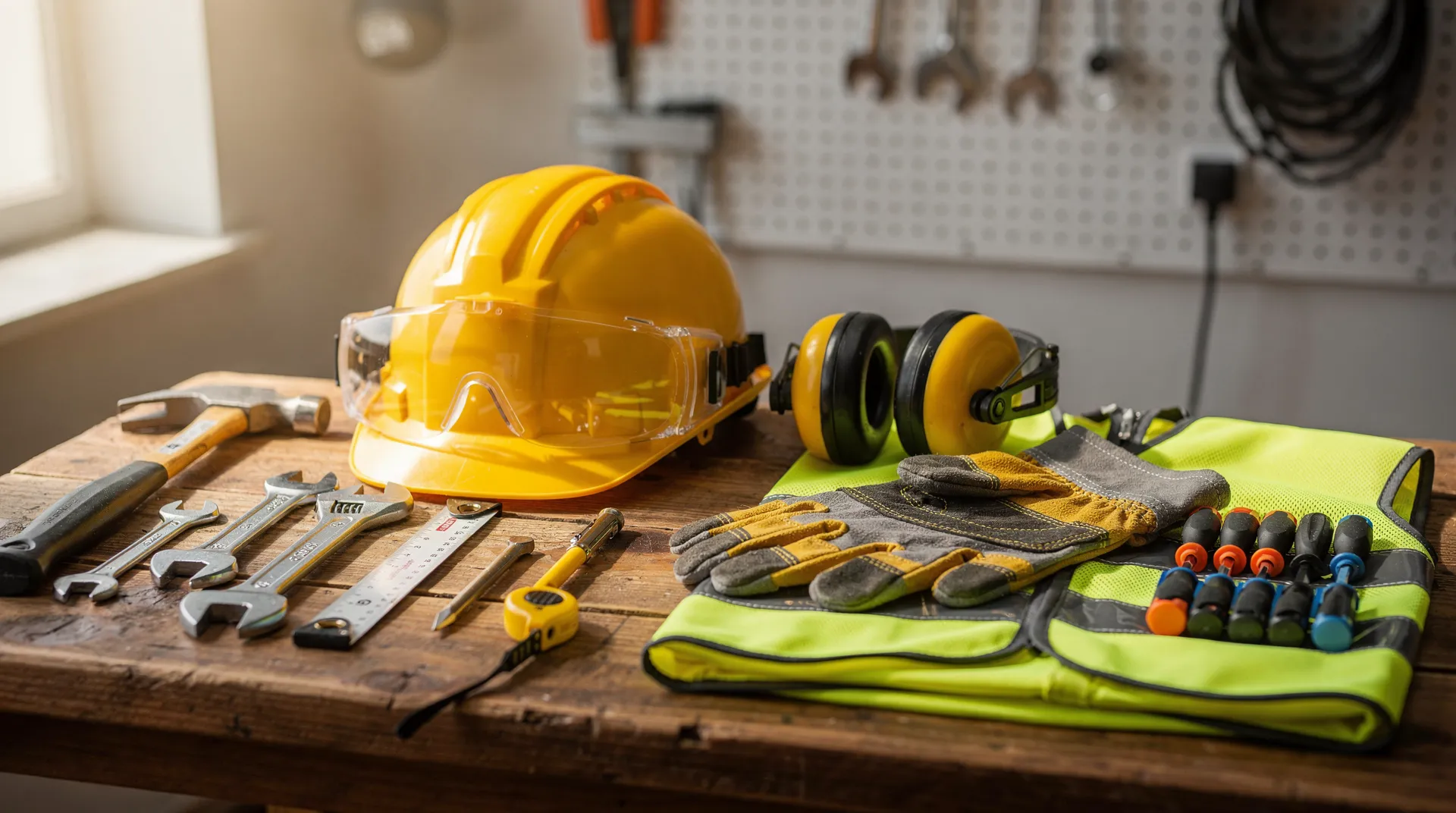
Personal protective equipment (PPE) combines head, eye, hand, and body protection into a layered defense system. Every member of our crew wears this gear before a single cut is made. PPE shields workers from falling debris, flying wood chips, and equipment accidents — and when something does go wrong, proper PPE minimizes injury severity.
Our standard PPE checklist includes:
Hard hat — protects against falling limbs and overhead debris
Eye and face protection — safety glasses or a full face shield against wood chips
Cut-resistant gloves — hand protection during chainsaw and rigging operations
Chain-saw-resistant leg protection (chaps) — body armor against accidental blade contact
Steel-toed boots — foot protection from dropped equipment and logs
Hard hat — protects against falling limbs and overhead debris
Eye and face protection — safety glasses or a full face shield against wood chips
Cut-resistant gloves — hand protection during chainsaw and rigging operations
Chain-saw-resistant leg protection (chaps) — body armor against accidental blade contact
Steel-toed boots — foot protection from dropped equipment and logs
What heavy equipment does a professional Tampa tree removal require?
Mechanical equipment determines how safely and efficiently a large tree comes down. We deploy our own grapple trucks, 75-foot bucket lifts, and commercial stump grinders. Owning this fleet guarantees rapid deployment for large-scale lot clearing and hazardous removals across Tampa.
Our team trains rigorously in all safety protocols and operates this state-of-the-art equipment to protect both crew members. Client property throughout every phase of Safe Tree Removal Techniques Tampa projects.
How should homeowners safely assess removal risk?
Homeowners safely assess removal risk by inspecting trees for visible structural damage, decay. Proximity to structures before any work begins. Applying Safe Tree Removal Techniques Tampa professionals rely on starts with a systematic ground-level evaluation — not guesswork.
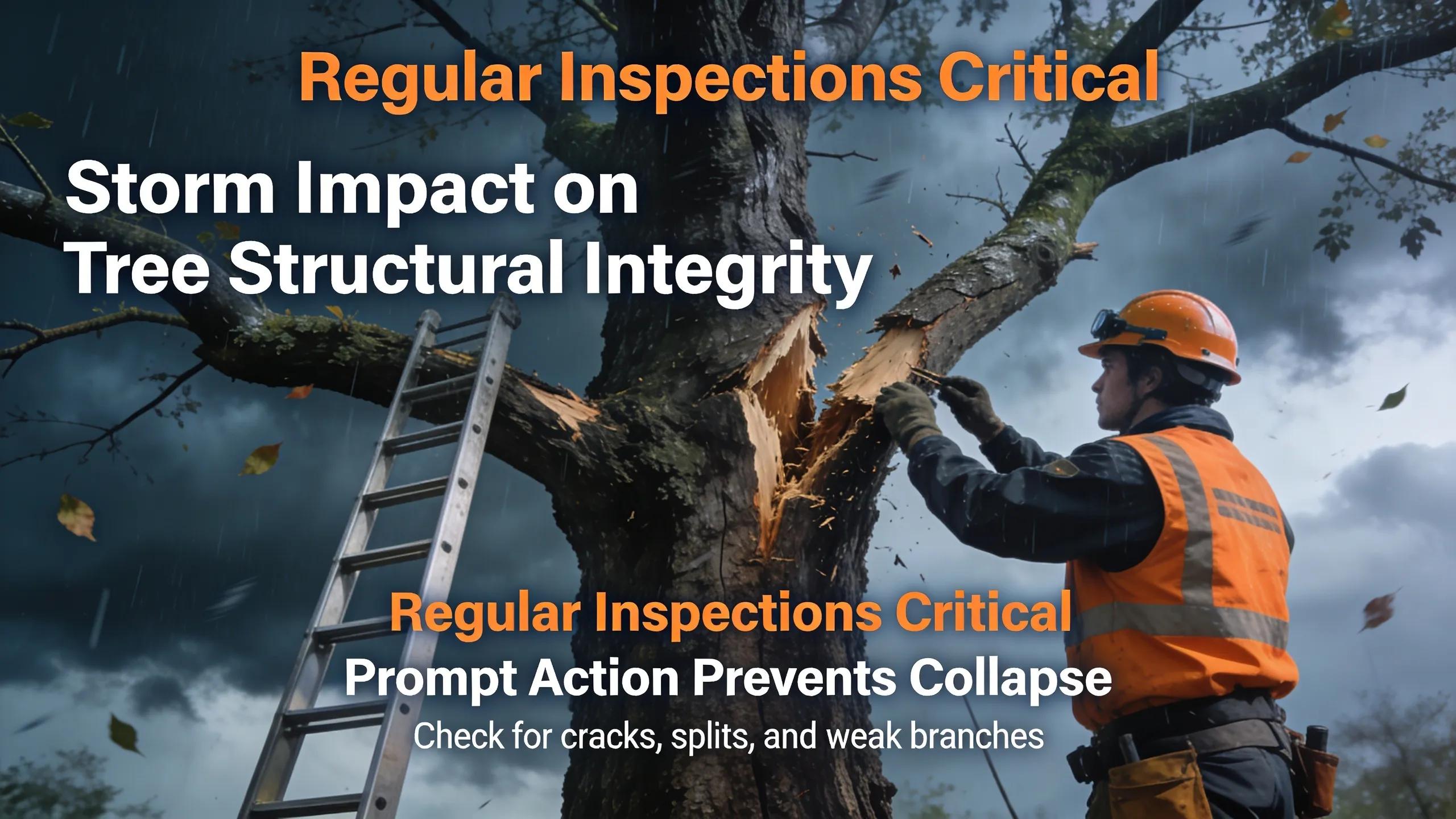
Tampa’s storm season accelerates tree deterioration faster than most homeowners expect. A single severe storm compromises structural integrity overnight, turning a healthy-looking oak into a genuine hazard. Regular inspections and prompt action are the difference between a controlled removal and an emergency.
What signs indicate a tree needs immediate removal?
Watch for these warning indicators during your assessment:
Identify the drop zone. Walk the full radius of the tree’s canopy and note every structure, utility line, and paved surface within reach of a falling trunk or major limb.
Inspect the root zone. Look for heaving soil, fungal growth at the base, or roots severed by construction — all signal compromised anchoring.
Examine the trunk and canopy. Cracks, hollow sections, dead wood, and significant lean toward a structure are high-priority hazards.
Check for storm damage. Broken scaffold branches, bark stripping, and split crotches left by recent weather require immediate professional evaluation.
Document and photograph. Record every defect before contacting an arborist so the assessment conversation is grounded in evidence.
Identify the drop zone. Walk the full radius of the tree’s canopy and note every structure, utility line, and paved surface within reach of a falling trunk or major limb.
Inspect the root zone. Look for heaving soil, fungal growth at the base, or roots severed by construction — all signal compromised anchoring.
Examine the trunk and canopy. Cracks, hollow sections, dead wood, and significant lean toward a structure are high-priority hazards.
Check for storm damage. Broken scaffold branches, bark stripping, and split crotches left by recent weather require immediate professional evaluation.
Document and photograph. Record every defect before contacting an arborist so the assessment conversation is grounded in evidence.
When should a homeowner call a certified arborist instead of proceeding alone?
Any tree showing multiple defects, proximity to power lines, or post-storm damage warrants professional evaluation — not a DIY decision. Our ISA-Certified, TRAQ-qualified arborists perform hazard assessments on every job, bringing the technical rigor that protects Tampa properties and the environmental value trees provide. We are fully licensed, insured, and available around the clock for emergency response.
What are the step-by-step safe removal techniques?
Safe Tree Removal Techniques Tampa professionals follow a structured, science-backed process that protects surrounding structures, landscaping, and turf from start to finish. Executing each phase in the correct sequence is what separates a clean, damage-free removal from a costly property incident.
Before any cutting begins, two prerequisites must be confirmed: a thorough site assessment and a binding written estimate. Panorama Tree Care provides itemized proposals that define the exact scope of work. From rigging plan to debris disposal — so clients are never exposed to hidden fees or mid-job upsells.
The step-by-step process our ISA Certified Arborists follow:
Conduct a full site assessment. Evaluate the tree’s size, health, lean, and proximity to structures, utility lines, and landscaping. Site-specific factors directly determine the equipment and rigging strategy required.
Conduct a full site assessment. Evaluate the tree’s size, health, lean, and proximity to structures, utility lines, and landscaping. Site-specific factors directly determine the equipment and rigging strategy required.
Prioritize preservation. When the tree’s condition allows, our arborists explore every viable option to save it before recommending removal. Removal is always the last resort, not the first.
Prioritize preservation. When the tree’s condition allows, our arborists explore every viable option to save it before recommending removal. Removal is always the last resort, not the first.
Establish a safety perimeter. Clear the work zone of people, vehicles, and movable property. Define drop zones and establish clear communication signals among the crew.
Establish a safety perimeter. Clear the work zone of people, vehicles, and movable property. Define drop zones and establish clear communication signals among the crew.
Deploy advanced crane technology and zero-impact rigging. For hazardous or large-canopy trees, we position our crane to elevator and lower sections in a controlled path — never allowing wood to free-fall onto turf, fencing, or structures.
Deploy advanced crane technology and zero-impact rigging. For hazardous or large-canopy trees, we position our crane to elevator and lower sections in a controlled path — never allowing wood to free-fall onto turf, fencing, or structures.
Section and lower the tree systematically. Working from the crown downward, our crew removes limbs and trunk sections in a deliberate sequence, using turf-friendly equipment to protect the ground surface throughout.
Section and lower the tree systematically. Working from the crown downward, our crew removes limbs and trunk sections in a deliberate sequence, using turf-friendly equipment to protect the ground surface throughout.
Remove debris and grind the stump. All wood, brush, and debris are cleared from the site. Stump grinding depth is specified in the original estimate, so there are no surprises.
Remove debris and grind the stump. All wood, brush, and debris are cleared from the site. Stump grinding depth is specified in the original estimate, so there are no surprises.
How long does tree removal take in Tampa?
Removal time varies based on the tree’s size, location, and site-specific conditions. A straightforward small tree may be completed in a matter of hours. A large specimen near a structure requires significantly more time for safe rigging and sectional lowering.
Why does rigging method matter for Tampa properties?
Tampa’s dense residential neighborhoods leave little margin for error. Advanced crane technology and zero-impact rigging methods allow our team to remove trees in tight spaces without damaging rooflines, fences. Established landscaping — protecting both the property’s structural integrity and its aesthetic value.
When should homeowners call a certified arborist instead?
Homeowners should call a certified arborist the moment a tree poses any risk to structures, utilities, or people. Knowledgeable professionals assess and remove trees safely. Protecting both the home and the yard in ways that DIY attempts simply cannot match.
What situations make professional tree removal necessary in Tampa?
Call our team immediately when any of the following conditions exist:
Identify the hazard. Look for dead limbs, trunk decay, or a lean toward the roofline or power lines.
Stop all DIY work. Do not attempt cuts on trees near structures or overhead utilities.
Document the tree’s condition. Photograph the damage before our arborists arrive — this supports any insurance claim.
Contact a licensed, insured provider. Panorama Tree Care is fully licensed and insured to operate throughout Tampa Bay.
Identify the hazard. Look for dead limbs, trunk decay, or a lean toward the roofline or power lines.
Stop all DIY work. Do not attempt cuts on trees near structures or overhead utilities.
Document the tree’s condition. Photograph the damage before our arborists arrive — this supports any insurance claim.
Contact a licensed, insured provider. Panorama Tree Care is fully licensed and insured to operate throughout Tampa Bay.
How do you verify a tree service is qualified?
Confirm that the company holds an ISA Certified Arborist credential and a strong consumer-protection rating. Panorama Tree Care carries ISA Certified Arborist credential FL-9569A, maintains an A+ BBB Accredited Business rating. Applies Safe Tree Removal Techniques Tampa homeowners can trust. Those credentials are non-negotiable markers of accountability.
FAQ
Does Tampa law require homeowners to check regulations before removing a tree?
Tampa city code section 27-284 protects trees as community assets. Removing a protected tree without authorization carries real legal and financial consequences.
What does a proper tree assessment involve?
ISA-Certified Arborists evaluate tree health, structural integrity, decay, proximity to structures. Protected status under Tampa’s Grand Tree Ordinances before any cutting begins.
Why hire a professional instead of removing a tree yourself?
Hazardous trees require crane operations and precision rigging. Attempting removal without certified expertise risks serious property damage and personal injury.