TL;DR: Low or overgrown tree limbs above your driveway in Florida are more than a nuisance. They can wreck paint and windshields, trigger Florida negligence tree liability claims, invite HOA fines, and give your insurance company a reason to argue.
Keeping about 14 feet of safe driveway tree clearance height with proper pruning types crown raising keeps your trees healthy and your risk way down.
Key Takeaways
- Most Florida HOAs and local codes expect around 14 feet of vehicle clearance over driveways, private roads, and access lanes so service trucks and SUVs can pass without hitting branches.
- Under Florida negligence tree liability, if a branch was obviously dead, cracked, or hazardous and you ignored it, you can be held responsible for limb drop damage.
- Overhanging branches often cause paint etching, fruit/berry stains, gutter clogs, and cracked driveways from root heave, especially with oaks near concrete.
- Correct crown raising for driveway clearance follows ANSI A300 standards and keeps at least a 50% live crown ratio so the tree stays stable and healthy.
- Typical 2026 Florida pricing runs about $200–$600 per tree for driveway clearance work, with multi-tree or storm-damaged situations costing more.
- HOAs can fine owners for low branches, blocked sight triangles, debris buildup, and can even send their own contractor, then tack the bill onto your account.
- Homeowner insurance may cover tree branch driveway damage liability, but adjusters look hard at whether you’ve done reasonable maintenance and kept documentation.
- Anything off the ground or anywhere near power lines is not a DIY project. Hire a qualified Florida arborist instead of gambling with ladders and chainsaws.
What Is Driveway Tree Clearance?
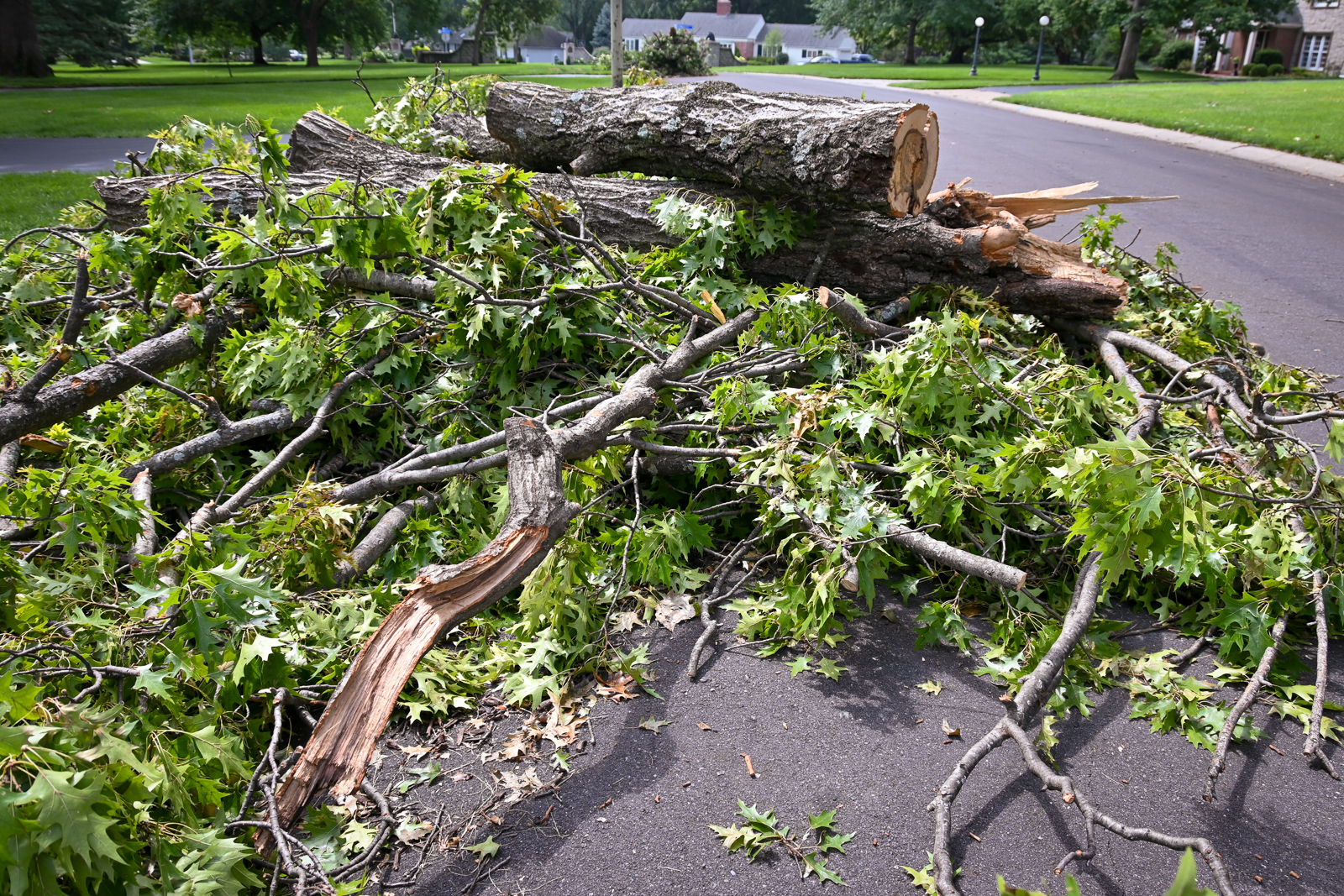
Driveway tree clearance is the safe bubble of airspace above and beside your driveway that keeps vehicles, people, and structures out of harm’s way from branches and debris. In Florida, that usually translates to a very specific set of targets:
- Minimum vehicle clearance height: Around 14 feet is the common standard for cars, SUVs, pickups, work vans, and small service vehicles, so they can pull in and out without scraping.
- Emergency vehicle clearance: Fire marshals often want 14–16 feet along access lanes so ladder trucks and ambulances can reach your house without ripping off lights and gear.
- Sight triangle: The clear viewing window where your driveway meets the street, so you can see cross traffic, kids on bikes, dog walkers, and anyone else in your path.
- Debris management: Ongoing pruning and cleanup to stay ahead of sap, fruit, seed pods, palm boots, leaves, and small limbs that stain cars, clog drains, and make pavement slick.
5 Reasons Trees Over Driveways Need Regular Trimming
in Florida, trees hanging over cars are a common sight. I spend half my year under live oaks that are beautiful to look at but brutal on paint and roofs. Those low limbs are a mix of safety hazard, financial risk, and legal exposure, and our storm season makes every weak branch that much more dangerous.
Trees over driveways need trimming to prevent limb drop vehicle damage, sap and debris paint damage, visibility obstruction at exits, blocked emergency vehicle access, and injury or property liability under Florida law. Florida’s storm season multiplies limb drop and wind-broken branch risks.
1. Limb Drop and Vehicle Damage
Branches don’t just fall in hurricanes. In Florida, I see limbs come down on calm days after a week of soaking rain, or on those quick afternoon thunderstorms that hit hard and disappear. Overhanging branches above a driveway naturally shed twigs and small limbs all year, but larger failures happen more often than people think.
When tree limbs over a driveway fail, they can:
- Cracked windshields and sunroofs, especially on taller SUVs and trucks
- Dent roofs, hoods, trunks, and liftgates deep enough to require bodywork
- Rip off racks, antennas, light bars, and rooftop cargo boxes
- Completely block vehicles in or out until a crew clears the mess
Limb drop damage liability usually becomes an issue when a branch that clearly needed attention finally lets go. If the limb was dead, hanging, split, or had visible fungus, and you let it sit above your driveway for months or years, that looks bad under Florida negligence standards.
In practice, a healthy limb torn off by an out-of-nowhere storm is one thing. A dead limb you drove under every day because “it hasn’t fallen yet” is another. Insurance adjusters and attorneys can tell the difference.
2. Sap, Fruit, and Debris Paint Damage
Tree debris driveway damage is the slow bleed that sneaks up on people. You don’t notice it in one day. You notice it the first time you realize your clear coat is etched, the pavers are stained, and your gutters overflow every time it rains.
- Sap damage type: Sticky resins from pines, some ornamentals, and even certain hardwoods bond to your clear coat. Let that sit through our heat and UV, and it starts to etch. I’ve seen brand-new trucks ruined because owners parked under the same sappy limb for a year.
- Fruit/berry staining: Oaks, magnolias, mulberries, holly, and even some palms drop fruit, berries, and seeds that crush under tires and shoes. Those pigments and oils leave permanent stains on light paint and decorative pavers.
- Leaf and twig buildup: Constant leaf fall clogs gutters, driveway drains, and channel grates. Standing water and muck make surfaces slick, speed up mildew growth, and slowly break down asphalt and sealer coats.
A good annual maintenance cycle of pruning over driveways cuts sap and debris exposure dramatically. You still get shade and a nice canopy, but you’re not pressure washing stains every weekend or re-coating your driveway every couple of years.
3. Visibility Obstruction at the Driveway Entrance
Low branches and thick side foliage at the mouth of your driveway are a different type of problem. They create a visibility obstruction right where you need clear sight the most. That’s where the Hillsborough County sight triangle concept comes in.
That sight triangle is basically the area to the sides of your driveway where trunks, shrubs, and branches shouldn’t block your view of cross traffic and pedestrians. If you have dense greenery right at that corner, you’re backing out blind.
Poor visibility can lead to:
- Back-over accidents involving kids, pedestrians, or pets moving behind your vehicle
- Side-impact collisions with cars you couldn’t see until it was too late
- Close calls with cyclists, scooters, mail carriers, and delivery drivers that don’t always make noise
Keeping branches and side foliage cut back within your sight triangle is good common sense and is often required in Florida subdivisions. I always tell clients to sit in the driver’s seat, look both ways, and let that view dictate how much gets pruned.
4. Emergency Vehicle and Service Access
I’ve watched fire trucks try to snake through neighborhoods with low oaks, and it isn’t pretty. The lights and ladders sit higher than any SUV roof. If branches hang low across your driveway or access lane, those trucks either slow way down or skip the driveway completely.
Low branches can:
- Slow or block emergency vehicle access when seconds actually matter
- Crack or scrape ladders, light bars, sirens, and roof equipment on tall rigs
- Keep moving vans, utility trucks, tree crews, and other service vehicles from getting close enough to do their work safely
That’s why a lot of HOAs write a higher driveway clearance standard into their fire lane and shared access rules. If a blocked driveway or access lane is tied to slow emergency response, expect tough questions later from both the HOA and insurance companies.
5. Legal Liability for Injury and Property Damage
Under Florida negligence tree liability, you’re not automatically on the hook for everything your trees do. The key phrase is “knew or should have known.” If a reasonable person looking at that limb would say “that needs to come down,” and you didn’t act, that’s where trouble starts.
Consider these real-world style risk examples:
- A dead limb over your shared driveway finally fails and lands on your neighbor’s car, caving in the roof
- A delivery driver walking up the driveway on a windy day gets hit by a broken limb and ends up with a shoulder or head injury
- A cyclist riding past your driveway entrance gets clipped by a long, low branch and goes down in the road
If an arborist, city inspector, or HOA already flagged that branch as a hazard, or the damage was obvious even to an untrained eye, and you ignored it, Florida negligence tree damage rules can put the responsibility squarely on you.
Expert insight most owners miss: Documentation is your best friend. Keep time-stamped photos before and after trimming, invoices from a Florida arborist, notes from any inspections, and copies of HOA letters. That simple folder can separate “you ignored this” from “you acted reasonably” during claims and disputes.
Florida HOA Driveway Clearance Rules

A lot of homeowners don’t realize their HOA treats driveways like mini streets. Then the first violation letter shows up, talking about “trees hanging over car areas,” and everybody gets confused. To the board, your driveway is an access lane, not just a parking pad.
Florida HOAs commonly require at least 14 feet of clearance and follow strict tree trimming timing for driveways, maintain sight triangles at driveway entrances, and prompt cleanup of debris. Fines escalate if owners ignore written notices, and HOAs can hire contractors and bill owners for noncompliance.
Typical Driveway Clearance Standards
Every HOA has its own flavor, but most Florida HOA driveway clearance rules hit the same basic points. You’ll usually see language like:
- Minimum vehicle clearance (feet): Around 14 feet above driveways and private streets so larger SUVs, garbage trucks, and service vehicles can pass without hitting branches.
- Emergency vehicle clearance (feet): 14–16 feet over fire lanes, shared access roads, and alleys where emergency crews might need to stage.
- Sight triangle requirement: No branches, hedges, or dense foliage blocking the cross-view where your driveway ties into the street, often within a set distance back from the curb.
- HOA specification: Many documents reference ANSI A300 clearance pruning, ISA standards, or “industry-accepted practices” to define what proper work should look like.
Some communities even include diagrams in their rules showing ideal heights and no-plant zones. If you haven’t read your covenants in a while, this is one of the sections worth revisiting.
Hillsborough County Sight Triangle and Local Codes
The Hillsborough County sight triangle is more than HOA language. It shows up in local code and traffic safety conversations too. Imagine drawing a triangle from the edge of your driveway out toward the road in both directions. That space should be free from anything that blocks line of sight.
In practice, that means:
- Regular thinning or lifting of foliage at the sides of the driveway ends so your mirrors and windows are clear, not into a hedge
- Keeping low, drooping limbs cut back from the pavement edge where cars, bikes, and pedestrians travel
- Checking from driver eye height that you can see approaching vehicles, walkers, and kids before your front bumper crosses the sidewalk or road edge
Florida-area municipal codes usually give the city or county the power to require trimming if trees create hazards along public rights-of-way. If a branch blocks stop signs, sidewalks, or street views, they can push harder than your HOA, and sometimes faster.
HOA Violation Notices and Fine Process
Most Florida HOAs follow a predictable pattern once they think your driveway trees are a problem. It ramps up over time if you ignore them.
- Courtesy notice: A friendly email, letter, or door hanger pointing out low limbs, heavy debris, or blocked visibility and asking you to address it.
- Formal violation letter: A more serious notice that cites the rule number, sets a deadline (typically 10–30 days), and may require proof of completion.
- Fines and hearings: If nothing happens, they start daily or per-incident fines and offer (or require) a hearing where you can explain delays or hardship.
- Forced compliance: For stubborn cases, the HOA may send out a tree service, order tree trimming driveway clearance on your behalf, and add the invoice to your account as an assessment.
Once the formal letter lands, the clock is ticking. Calling a reputable outfit like Panorama Tree Care quickly and getting a scheduled date on the books goes a long way. If your hearing comes up before the work is done, being able to show a signed proposal and date often buys you a little grace.
Owner tip: If your HOA rules are vague about driveway tree clearance height, send a quick email asking the board or manager to confirm their expectation in writing. That way, if someone later complains that 13.5 feet isn’t enough, you’ve got their earlier answer backing you up.
Florida Liability for Falling Tree Limbs on Driveways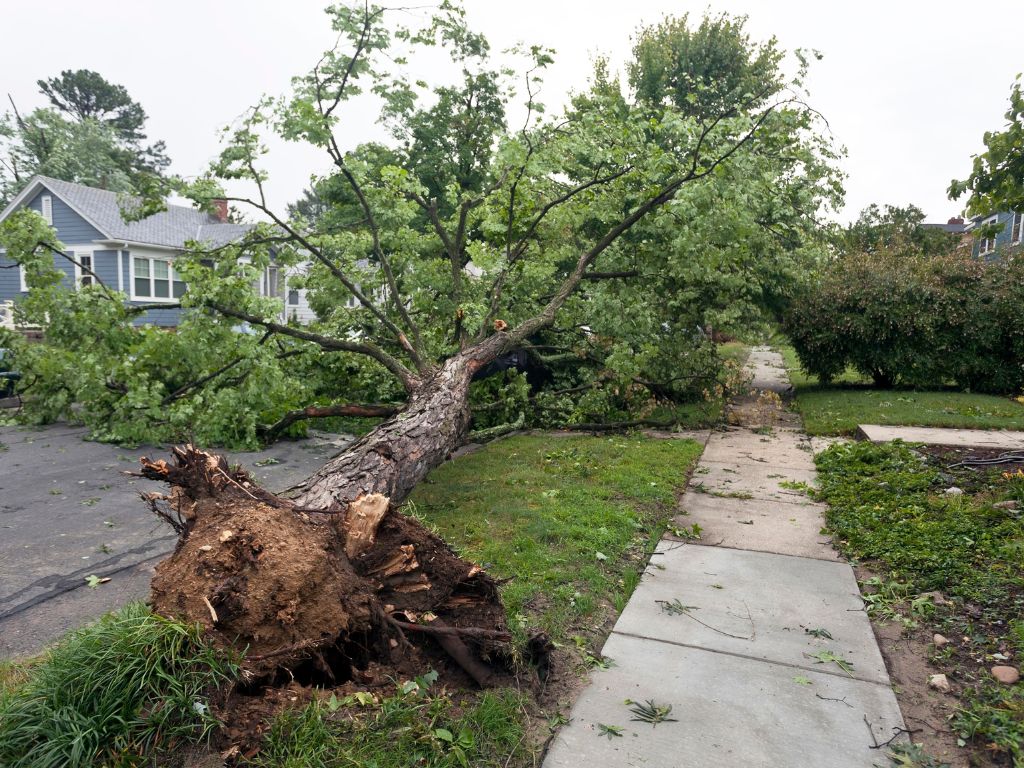
Driveways, side yards, easements, and sidewalks in Florida don’t care where the property line sits. Tree roots and branches travel. If your oak hangs over the neighbor’s driveway, or their tree reaches over yours, Florida law still expects everybody to act reasonably.
Florida follows a negligence standard for tree limb damage: owners are liable if they knew or should have known about hazardous branches and failed to act. This applies to overhangs over neighbor driveways, with documentation and prior notice often key to claims.
Understanding Florida Negligence Tree Liability
Florida negligence tree liability usually comes down to four main points that attorneys and insurance adjusters look at:
- Standard: Did you know, or should you reasonably have known, the tree or limb was unsafe and choose not to act? If yes, your risk of being found liable jumps.
- Documentation requirement: Prior warnings, city notices, HOA letters, arborist reports, or even texts from neighbors complaining about that limb are all evidence that you were on notice.
- Statute of limitations (years): Most property damage cases have a window of several years for filing, though the exact number and details should be confirmed with a Florida attorney.
- Homeowner insurance coverage: Policies often cover sudden, accidental limb failures, but they can deny or reduce payouts if there’s obvious long-term neglect or ignored recommendations.
In the field, this means a clean, healthy tree that snaps in a freak storm is usually treated as an accident. A tree with visible decay, mushrooms on the trunk, old storm damage, and ignored arborist notes looks like negligence.
Neighbor Driveways and Shared Boundaries
Branches that cross the fence line and hang over neighbor driveways create some of the ugliest disputes I see. People feel protective of their vehicles and their trees at the same time.
- Your neighbor usually has the right to trim overhanging branches, driveway-side back to the property line at their expense, as long as they don’t kill or destabilize the tree.
- If they warned you in writing that a specific limb was dangerous and you shrugged it off, then that limb later causes damage, your exposure under Florida negligence tree damage goes up fast.
- Shared driveways and recorded easements often have extra rules tucked into deeds or HOA covenants that control who maintains what, so it’s smart to read those before cutting.
The smartest move is to talk early. Share pruning plans, split cost when it makes sense, and bring in a pro for larger jobs. Over-pruning, topping, or harsh cuts to “solve” a boundary argument can kill a tree or make it more hazardous.
Small Claims, Insurance, and Documentation
If a limb off your tree lands on a neighbor’s car in their driveway, you might be dealing with more than just an awkward conversation. You may see:
- A claim through your homeowner insurance tree damage section if structures or fences are hit, or their own carrier coming after yours for reimbursement
- Requests for rental car coverage, body shop repairs, and possibly towing or cleanup costs
- A small claims filing up to a certain small claims limit (USD) if the damage is moderate and they’d rather not involve full-blown litigation
To protect yourself and show you acted like a reasonable owner:
- Keep records of every annual maintenance cycle, estimate, and completed pruning visit.
- Save written recommendations from your Florida arborist and make sure you follow through on high-risk items.
- Photograph hazardous limbs when you first notice them and again after the trimming work is done.
That paper trail tells a clear story: you inspected, you maintained, and you responded when problems were pointed out. That is exactly what Florida negligence standards look for.
How to Properly Trim Trees Over a Driveway (Crown Raising)
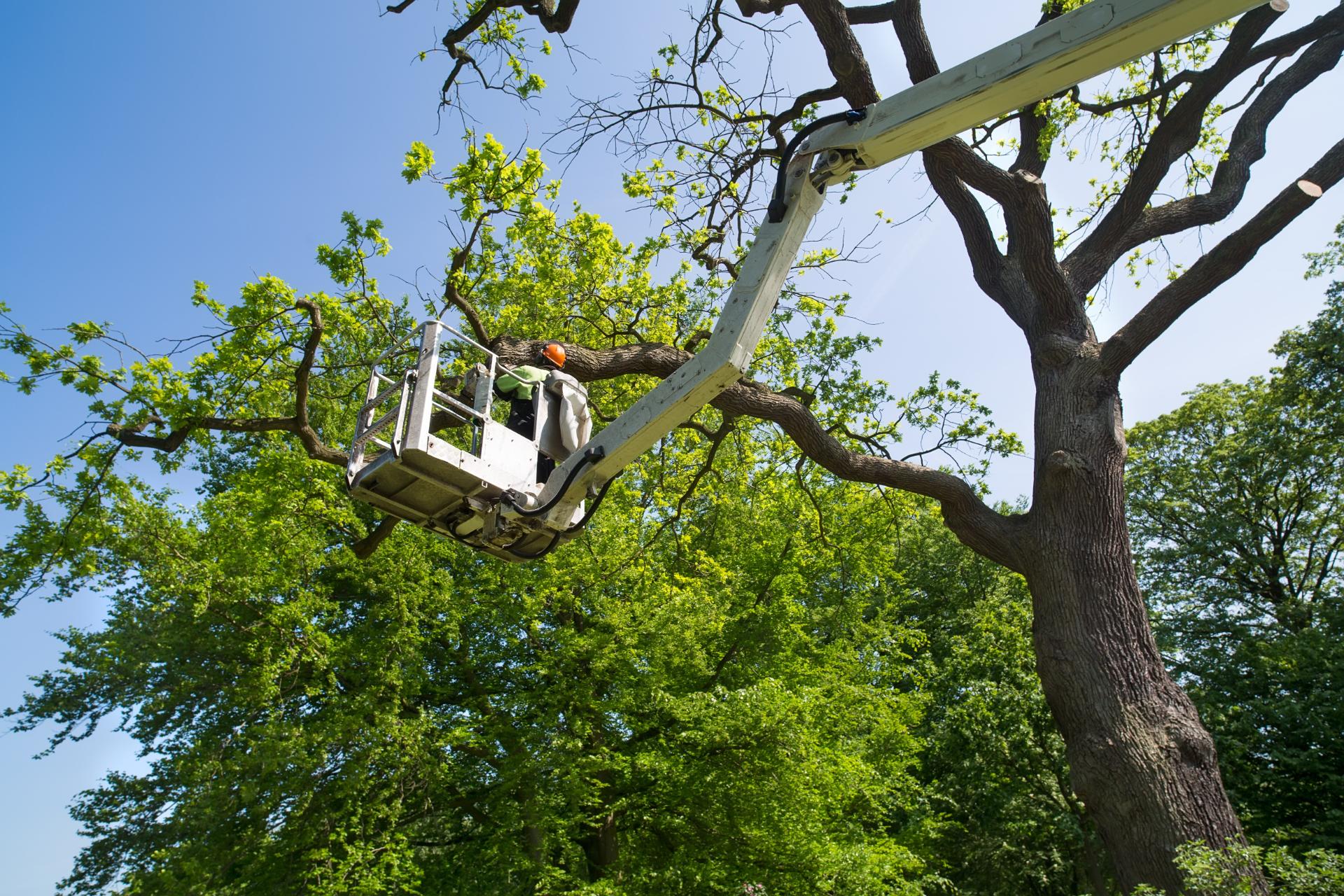
Raising branches above a driveway isn’t just “cut everything that’s in the way.” Good crews follow a method called crown raising, which lifts the canopy while keeping the tree balanced and healthy. Done right, you gain clearance without leaving a lopsided, stressed tree that fails in the next storm.
Proper crown raising for driveway clearance removes only the lower branches to reach about 14 feet of clearance, keeps at least 50% live crown ratio, and uses correct collar cuts per ANSI A300. Topping (cutting the top off) should never be used.
Crown Raising for Driveway Clearance: The Basics
Crown raising for the driveway and access lanes is all about gaining safe space underneath while protecting the structure above. When I plan a raise, I focus on a few key targets:
- Target clearance height (feet): Usually around 14 feet above the driveway and parking apron so even taller vehicles and roof racks have comfortable space.
- Live crown ratio minimum (%): Keep at least 50–60% of the total tree height in live canopy, just like ANSI A300 recommends, so the tree can still feed itself and resist storm loads.
- Cuts per session limit (ANSI A300): Do not remove more than 25–30% of the live crown in a single pruning cycle. Taking more shocks the tree and opens wounds it can’t easily seal.
- DIY safe height: If your feet have to leave the ground, hire it out. Ground-level work with a pole pruner is one thing. Ladder work or rope work above pavement is for trained pros.
In practice, we often raise a tree over two or three visits, especially older oaks. That keeps the live crown ratio healthy and lets the tree respond and strengthen between sessions.
Why Topping Is Never the Answer
Topping is the bad shortcut that causes half the calls I get five years later. Cutting off the top of a tree to reduce height or “control it” seems like a fast fix, but it creates a long-term mess.
- Those weakly attached new shoots that sprout from topping cuts grow fast and heavy, but they’re poorly anchored and snap in storms, often right above driveways.
- Large, flat cut surfaces from topping invite decay and rot into the trunk, which quietly weakens the entire structure over time.
- The tree responds with more chaotic growth, which means more frequent pruning, more cost, and more risk of future limb drop over your driveway.
ANSI A300 clearance pruning standards directly discourage topping. Instead of chopping off the top, an arborist will reduce or remove entire limbs back to strong lateral branches or the trunk using proper structural cuts. That keeps the tree’s natural form and strength.
Proper Cut Techniques Over Driveways
Cutting above a driveway adds another layer of pressure. A bad cut can damage both the tree and whatever is parked underneath. Good technique matters.
- Use proper collar cuts slightly outside the branch collar, that swollen area where the branch meets the trunk or larger limb. Don’t do flush cuts and don’t leave long stubs.
- On heavier limbs, usually more than 2–3 inches in diameter, use the three-cut method to avoid tearing long strips of bark down the trunk when the limb drops.
- Leave smaller diameter branches that don’t interfere with vehicle clearance height if they provide shade and help balance the canopy. Don’t over-thin just because you have a saw in your hand.
- Any limb that is big enough to crush a car roof, or in the 4–6 inch range and above pavement, is a clear branch size for a professional. Rigging those down the right way takes training and gear.
Pros will usually rope and lower larger limbs to avoid cracking concrete, breaking pavers, or sending wood chunks bouncing off fenders. That extra effort is worth it in tight driveways.
DIY vs Professional Crown Raising
There’s nothing wrong with tackling the small stuff yourself. I just tell people to be honest about where “small” ends.
You can safely handle:
- Low, lightweight branches you can reach from solid ground with a pole pruner or handsaw
- Minor thinning on small ornamental trees and shrubs along the driveway edges that don’t hang over vehicles
You should bring in a pro when:
- Branches are above your head and you’d need a ladder, roof, or tree climbing to reach them
- Limbs are big enough to crack concrete, damage cars, or swing unpredictably if they break free
- Branches are anywhere near power lines, service drops, or over a public right-of-way like a sidewalk or street
Professional teams like Panorama Tree Care use ropes, pulleys, and proper rigging to control how limbs come down. That protects your driveway surface, your vehicles, and the tree itself from nasty surprises.
Driveway Tree Trimming Cost in Florida 2026
Budget questions come up on almost every driveway job I quote. Folks want to know if they’re looking at a quick couple of hundred bucks or a big project. In Florida, costs scale with tree size, access, risk, and how long it has been since the last proper trimming.
in Florida for 2026, driveway clearance trimming averages $200–$600 per tree, with multiple trees on the same visit running $400–$1,500. Annual maintenance contracts lower per-visit costs. Panorama Tree Care offers dedicated driveway clearance services across the greater the area.
Typical Price Ranges in Florida
Based on 2026 conditions, here’s what driveway trimming cost Florida usually looks like for homeowners I work with:
- Single tree clearance (USD): Roughly $200–$600 for a straightforward crown raising job over an accessible driveway with no unusual hazards.
- Multi-tree discount (%): Expect around 10–25% savings when several trees are cleared in one visit, since mobilization and setup are spread out.
- Annual maintenance contract (USD per visit): About $250–$650 per scheduled visit, depending on lot size, tree count, and how intensive the work is each time.
- Emergency storm cleanup (USD): Anywhere from $400 up to $2,000+ when dealing with wind-broken limbs, blocked driveways, crane work, or after-hours calls during peak storm events.
- Panorama service area (Florida): We see these ranges across Florida, Brandon, Riverview, Carrollwood, Westchase, and most surrounding neighborhoods.
Prices can slide up or down a bit between companies, but if you see quotes way below these numbers for full-size trees, ask serious questions about insurance, experience, and safety practices.
What Drives the Price Up or Down?
There are a few things that always push driveway clearance pricing higher, usually tied to risk and difficulty:
- Very large, heavy limbs hanging directly over vehicles, roofs, or glass that require careful rigging and slow cutting
- Need for bucket trucks, specialized lifts, or cranes because of tree size or lack of climbing options
- Driveways that are steep, narrow, gated, or surrounded by fences and landscaping that limit equipment access
- Existing storm damage driveway tree conditions like cracked, twisted, or partially fallen limbs that are unstable and time consuming to secure
On the flip side, costs stay lower when limbs are smaller, access is wide open, and the crew can reach everything with basic climbing or a standard lift. Trees that get regular maintenance instead of one big “every ten years” hack job are cheaper to service over time.
Hidden cost most people forget: Roots. If the same trees shading your driveway are also causing root heave driveway surface problems, you may end up paying for concrete slab repairs, paver resetting, or drainage fixes. Those costs are separate from pruning and can dwarf the tree work if the damage is bad enough.
Why an Annual Maintenance Cycle Often Saves Money
From what I’ve seen over the years, an annual maintenance cycle almost always beats the “wait until it’s a crisis” approach. It spreads cost out and avoids those massive, expensive cleanups.
- Consistent clearance means branches never again scrape roofs, snag antennas, or slowly grind into clear coat.
- Regular inspections catch decay, disease, and structural cracks early, before they turn into full limb or whole-tree failures.
- Storm prep becomes a simple checkup instead of a panic call right before hurricane season to remove wind-broken limb risks.
Companies like Panorama Tree Care trimming service usually reward recurring customers with lower per-visit pricing and priority scheduling after storms. Your trees stay inside the HOA driveway clearance rules automatically, and you’re not scrambling every time the HOA sends a reminder.
Contact licensed tree service in Florida for a free assessment and estimate.
Common Mistakes When Trimming Trees Over Driveways (and How to Fix Them)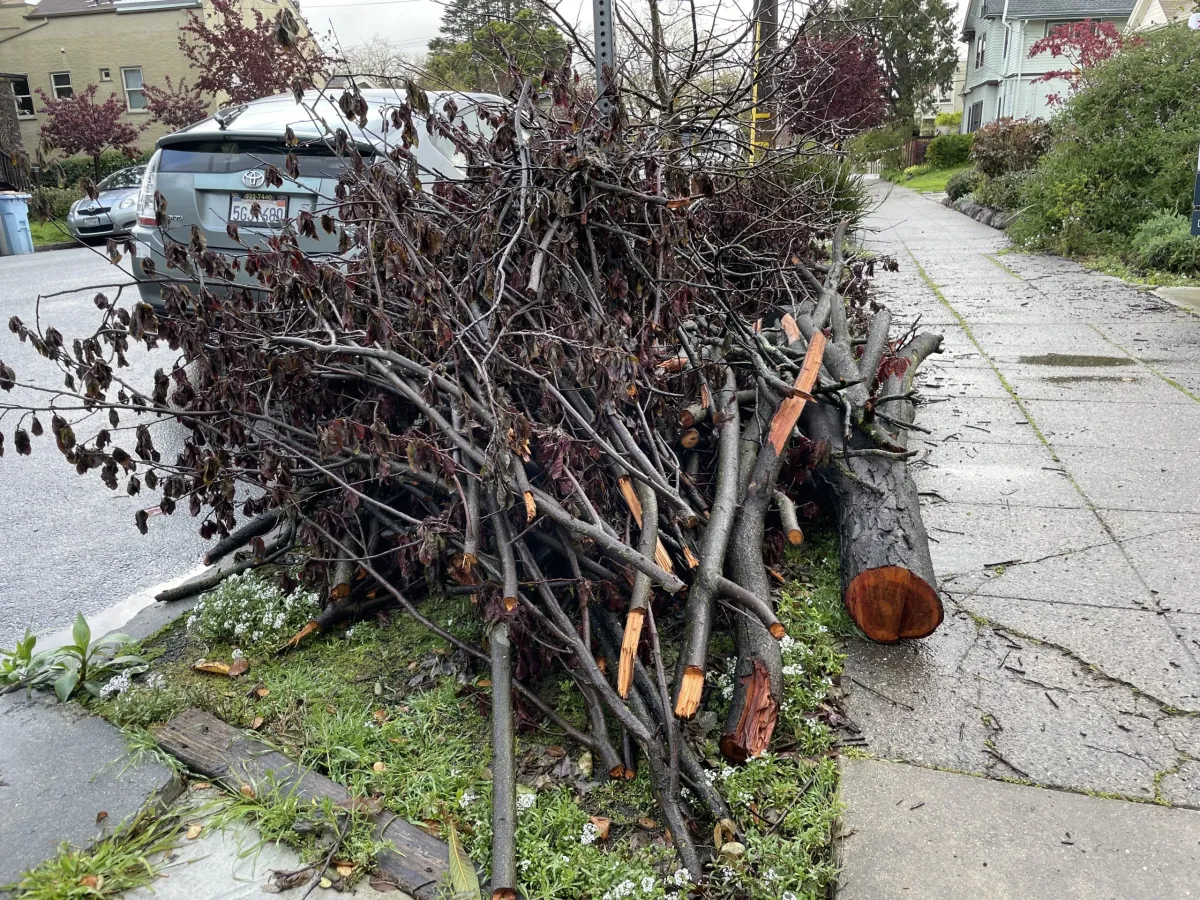
I’ve spent a good chunk of my career cleaning up well-intentioned DIY jobs. Driveway trees are where rushed cuts and short-term thinking really show up. Here are some common mistakes I see and the better way to handle each one.
Mistake 1: Trimming Only What Hits Your Car Roof
A lot of folks only grab a saw when branches start scraping a roof rack or cargo box. They do a quick slice on those few limbs and call it good.
- That leaves heavier limbs higher up that can still break and fall in a storm.
- The canopy ends up unbalanced, with too much weight hanging toward the driveway side and not enough on the opposite side to counter it.
Fix: Think like an inspector, not a driver. Aim for full driveway tree clearance height across the entire width of the driveway and a little beyond, usually about 14 feet. That future proves the space for different vehicles and keeps the canopy more even.
Mistake 2: Cutting Too Much in One Visit
On the other side of the spectrum, some people get a crew out and tell them, “take everything off it” to get the job over with. The tree ends up with a bare trunk and a tiny puff of canopy at the top.
Over-pruning drops the live crown ratio below the healthy 50% mark, which stresses the tree and can lead to sunscald, decay, dieback, and weaker branches in future storms.
Fix: Follow ANSI A300 clearance pruning guidance and limit live foliage removal to about 25–30% of the crown in a single cycle. If more clearance is needed, plan the work over two or three years. That gives the tree time to adjust and put on new growth between visits.
Mistake 3: Improper Cuts and Stub Branches
I see this one constantly on smaller trees and DIY jobs. People cut too close or too far from the trunk, or they let big branches rip and tear instead of controlling the drop.
Fix:
- Cut just outside the branch collar, that natural flare where the branch meets the trunk. Don’t cut flush into the trunk wood and don’t leave a 6-inch stub sticking out.
- On bigger limbs, always use the three-cut method. Undercut a short way out from the trunk, then cut from the top further out to drop the limb clean, and finally remove the remaining stub at the collar.
- If you already have stubs, have them removed back to the collar on your next pruning visit to help the tree form proper callus tissue around the wound.
Mistake 4: Ignoring the Sight Triangle
Another common mistake is focusing only on what’s above the hood and roof while leaving thick side foliage intact at the driveway entrance. You get nice overhead clearance but still can’t see cross traffic.
Fix: Sit in the driver’s seat of your tallest vehicle and look left and right. Whatever blocks your view inside the Hillsborough County sight triangle zone needs attention. Lightly thin or reduce those side branches while preserving the overall health and shape of the tree or shrub.
Mistake 5: DIY Ladder Work Near Power Lines
I can’t stress this enough. A ladder on a hard driveway surface, a sharp saw, and overhead branches is a dangerous mix even without power lines. Add electric lines to the scene and you’ve created a serious accident waiting to happen.
Fix: Keep your personal work limited to what you can reach with both feet planted firmly on the ground. Anything involving a ladder, complex rigging, overhanging pavement, or proximity to power lines belongs to a licensed professional with training and insurance. The money you “save” by doing this yourself disappears instantly if there’s a fall or electrocution.
FAQ: Trimming Trees Hanging Over Driveways in Florida
homeowners should trim driveway trees every 1–3 years to keep about 14 feet of clearance, coordinate with neighbors for shared limbs, rely on insurance for sudden damage, and use professionals rather than DIY ladders for safe, HOA-compliant driveway clearance.
How often should I trim tree limbs over my driveway in Florida?
Most driveways need tree trimming and driveway clearance every 1–3 years. Fast growers like some ornamentals and younger oaks may need annual touch-ups. Slower species can stretch closer to three years. In storm-prone Florida, having a pro inspect yearly, even if little is cut, is a smart habit.
What if my neighbor’s tree hangs over my driveway?
Under Florida law, you usually have the right to trim branches that cross onto your property back to the property line, as long as you don’t kill or destabilize the tree. That includes limbs hanging over your driveway.
For large branches or trees that already look stressed, talk with your neighbor first and involve a Florida arborist. That keeps relationships smooth and reduces the chance of being blamed if the tree declines later.
Does homeowner’s insurance cover vehicle damage from falling driveway limbs?
Homeowner insurance tree damage usually applies to your house, fences, and other structures. Vehicle damage from falling limbs is normally handled under your auto policy’s comprehensive coverage. If the tree was obviously neglected or warnings were ignored, both carriers may push back, so regular pruning and good records make a big difference.
Can my HOA force me to trim trees over my driveway?
Yes. If your Florida HOA driveway clearance rules or covenants specify a clearance height or sight triangle standard, the board can issue violations and fines. If you ignore them, they often have the authority to send a tree service, fix the problem, and charge the cost back to you.
Is it safe to trim branches over my driveway myself?
It’s usually safe to trim small, low branches from the ground with a pole saw or pruners. It’s not safe to climb ladders on concrete, cut over vehicles, or tackle heavy limbs that could injure you or crush a car. In those situations, hire people who do this every day and have the proper gear.
What is the recommended driveway tree clearance height?
Most municipalities and HOAs in the area expect a vehicle clearance height of around 14 feet over driveways, private roads, and access lanes. Fire lanes, alleys, and service routes may require even more headroom, so always check both city and HOA standards before planning major pruning.
Will trimming trees away from my driveway hurt the tree?
Done properly, no. Using crown raising for clearance and following ANSI A300 standards keeps enough canopy on the tree to stay healthy and strong. Over-pruning, flush cuts, and topping are what cause long-term damage. A certified arborist can balance vehicle safety, tree structure, and appearance.
What about sap and debris on cars parked in my driveway?
Sap and debris damage is a common complaint. Sap etches paint, fruit and berries stain, and leaf piles trap moisture and mold. Pruning to thin and lift branches above parking areas, paired with an annual maintenance cycle, cuts that mess way down and keeps cleaning manageable.
Final Summary & Next Steps
Trees hanging over driveways in Florida can look cozy and shaded, but they come with very real downsides. You’re dealing with potential limb drop, slow but steady paint and surface damage, blocked sight lines, emergency access problems, and possible responsibility under Florida negligence tree liability if something goes wrong.
Maintaining a consistent driveway clearance standard of around 14 feet, using proper ANSI A300 crown raising techniques, and lining up with Florida HOA driveway clearance rules keeps your vehicles protected, your property looking sharp, and your legal risk low.
For most homeowners, a predictable annual maintenance cycle with a trusted local company beats waiting for a storm to force the issue. You spread out costs, avoid ugly surprises, and have paperwork in hand if insurance or the HOA starts asking questions.
Ready to make your driveway safer? Book a professional inspection and pruning plan with Panorama Tree Care’s driveway clearance service so your trees stay healthy, your driveway stays clear, and your property is ready for whatever the next storm season throws at Florida.