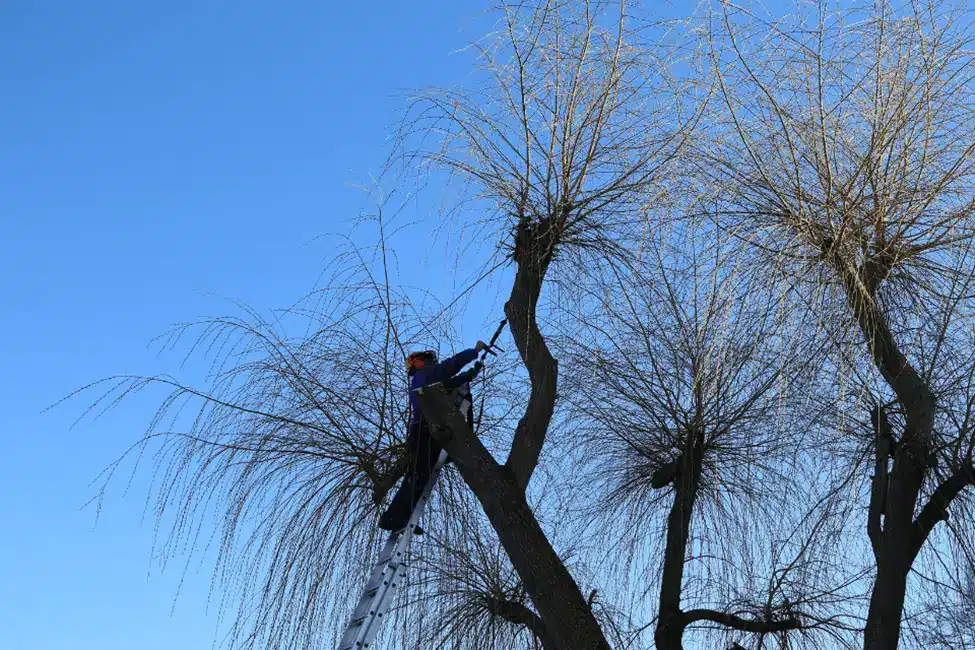
TL;DR: Tree crown reduction is a precise pruning types method that safely lowers a tree’s height or spread by cutting branches back to strong lateral branches, following ANSI A300 and ISA guidelines.
Around Florida, proper crown reduction helps trees ride out storms better, protects roofs and power lines, and usually costs quite a bit less than taking the tree out entirely.
Key Takeaways
- Crown reduction shortens overall height or width by cutting branches back to lateral branches that are at least one‑third the diameter of the removed limb, following the ANSI A300 crown reduction standard so the tree stays stable and healthy.
- Crown reduction is not topping. Topping uses big, blunt heading cuts that ignore structure and violate ANSI standards. That leads to decay, weak regrowth, and long‑term structural problems.
- in Florida, Live Oaks usually handle reduction very well, Laurel Oaks can be reduced carefully for risk management, and pines and palms are generally poor candidates for crown height reduction.
- ISA arborists normally limit reduction to about 25% of the crown per session and keep a strong live crown ratio so the tree can keep its vigor and storm resistance.
- Typical tree crown reduction cost in Florida runs from about $200–$500 for small trees up to $1,200–$3,500+ for large Live Oaks, often landing around 50–70% of what a full removal would cost.
- Correct reduction cuts (also called drop‑crotch or reduction cuts) create directional, strong regrowth and allow better wound closure than any topping cut ever will.
- Crown reduction is a smart option for utility clearance pruning, hurricane prep, building clearance, and view management as long as the tree is structurally sound to begin with.
- Panorama Tree Care offers ISA‑compliant crown reduction service in Florida, focusing on preserving good trees instead of tearing them out just because they got too big.
What Is Tree Crown Reduction?
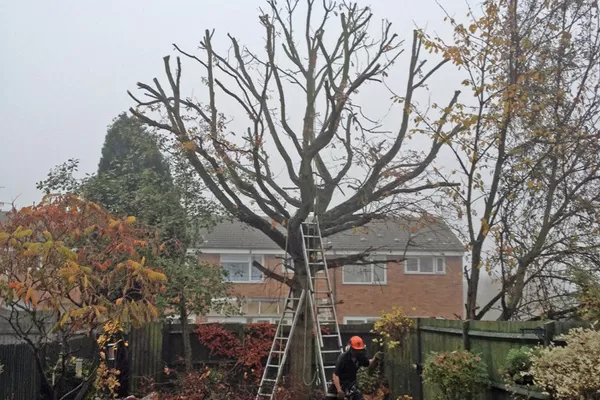
Tree crown reduction is a targeted pruning technique that reduces the height or spread of the tree’s crown by cutting branches back to strong lateral branches that are at least one‑third the diameter of the removed portion. Work done this way follows the ANSI A300 reduction standard and is the ISA‑approved alternative to topping for making a tree smaller while keeping it healthy.
What Is Crown Reduction? (And How It Differs from Topping)
Crown reduction is a controlled way to make a tree smaller by pruning back to properly sized laterals, while topping is a harmful shortcut that chops limbs to stubs and violates ANSI A300 standards.
In professional tree work, crown reduction pruning is not a vague “cut it back” request. It has a very clear meaning laid out in the ANSI A300 crown reduction standard and ISA Best Management Practices. A crew that knows what they are doing follows those rules branch by branch.
With crown reduction, the arborist will:
- Cut branches back to a lateral branch that is at least one‑third the diameter of what they are removing. That one‑third rule branch ratio is what keeps the remaining branch strong and useful.
- Make reduction cuts (or drop‑crotch cuts) just outside the branch collar so the tree can close the wound. No stubs, no flat shears across big limbs.
- Hold crown height reduction and crown spread reduction to about 25% of the live crown in one visit, which keeps the tree from going into shock.
- Protect a healthy live crown ratio so there is still plenty of foliage to make food and keep the tree vigorous.
Topping is a whole different animal. That is where you see branches chopped to random lengths or whole tops leveled off, usually leaving big stubs with no good lateral branch at the cut:
- No concern for the one‑third diameter ratio or any proper reduction point.
- Often removes 40–80% of the foliage in one hit.
- Flat out violates ANSI A300, which specifically discourages topping.
- Triggers a flush of weak, upright shoots (epicormic sprouts) that are far more likely to fail in storms than the original branches.
If you are digging into topping damage, look that up separately and really study the consequences. For the rest of this page, we are staying focused on crown reduction as the healthier alternative that lines up with ISA standards.
Crown Reduction vs Topping at a Glance
This table sums up how ANSI‑compliant crown reduction and topping compare in real life. It is the kind of thing I show homeowners who have been offered a “cheap topping” quote.
| Attribute | Crown Reduction | Topping |
|---|---|---|
| ANSI A300 compliance | Yes – follows reduction standards and ISA BMPs | No – explicitly discouraged and non‑standard |
| Cut type | Reduction cuts to laterals (drop‑crotch) with proper collar respect | Heading cuts to stubs or random points along the limb |
| Regrowth strength | Generally strong, well‑attached shoots from chosen laterals | Often weakly attached, brittle epicormic sprouts |
| Impact on tree health | Minimal long‑term impact if done correctly and within limits | Severe stress, high decay risk, sunscald, and decline |
| Typical cost | Moderate to high, since it takes more planning and skill | Often cheaper up front, especially from non‑certified crews |
| Long‑term outcome | Preserves tree, improves structure, and extends service life | Compromises structure, often shortens life and forces removal |
Many homeowners choose topping because the price looks low and the tree looks dramatically smaller right away, so it “feels” like they got more work. In practice, proper crown reduction usually costs less over the life of the tree.
You avoid big cavities, emergency callouts after branches rip off, and premature removals that run into the thousands.
When Florida Trees Need Crown Reduction
Trees in Florida need crown reduction when their height or spread starts creating risk or headaches, like hitting power lines, scraping roofs, or blocking views, and when they are healthy enough to handle reduction under ANSI A300 limits.
Around the area, crown reduction is often the go‑to recommendation for mature shade trees that outgrew the space builders gave them, or for storm preparation before the wind and rain show up in late summer.
Common Reasons for Crown Reduction in Florida
- Utility clearance reduction: Branches that are already in, or creeping toward, power lines, cable, or streetlights. Proper utility clearance pruning trims conflict points while keeping the tree’s structure sound, instead of butchering it around the wires.
- Structural overreach: Heavy limbs stretching far outside the main crown, especially over driveways with parked vehicles, outdoor living areas, pools, or a neighbor’s fence line. Those are the limbs that like to fail first in a storm.
- Storm preparation: Reducing wind sail and tip weight on high‑risk limbs so the tree has better storm resistance after the reduction. That is a huge deal with big Live Oaks over houses in hurricane country.
- Building clearance: Branches scraping shingles, rubbing gutters, or dumping leaves and acorns into clogged gutters. Sometimes a thoughtful reduction does more good than constant cleanup and patching roofs.
- View and light restoration: Opening up water, skyline, or sunset views and letting light back into windows and yards without stripping too much interior foliage or over‑thinning the canopy.
Florida Species: Which Trees Respond Best to Crown Reduction?
How well tree height reduction works depends heavily on the species and how that particular tree has been managed so far. Some take reduction in stride. Others sulk or fall apart if you overdo it.
| Species (Florida) | Reducibility | Notes |
|---|---|---|
| Live Oak (Quercus virginiana) | Excellent | Great wood strength and strong compartmentalization. Handles structural and crown reduction pruning very well if cuts are moderate, correctly placed, and not all done at once. |
| Laurel Oak (Quercus laurifolia) | Good with caution | Faster growing, more decay‑prone, and shorter‑lived than Live Oak. Reduction is usually aimed at risk mitigation and often used as a bridge strategy before planned removal and replanting. |
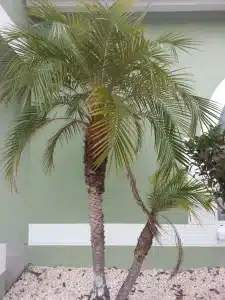
| Queen Palm (Syagrus romanzoffiana) | Not applicable | Palms only have a single growing point in the canopy, so true crown reduction is not possible. Cutting too many fronds just weakens the palm and invites problems. |
| Crape Myrtle (Lagerstroemia indica) | Possible, but often mis‑done | Can tolerate light reduction, but people often top them (“crape murder”). Better to use light structural pruning, selective thinning, and proper shaping rather than harsh cuts. |
| Pine species | Poor candidate | Most pines do not respond well to major crown height reduction or heading cuts. Repeated cutting usually weakens them. For tall pines in the wrong place, removal and replanting is usually smarter. |
Panorama Tree Care regularly performs Florida Live Oak crown reduction and Laurel Oak crown reduction for homes where limbs have crept too far over roofs, driveways, and neighbor yards.
Done right, these trees can be brought back into a safer footprint and still keep that classic broad canopy that makes Florida yards feel established.
If your biggest concern is how close the trunk or main canopy is to your house, not just overall size, you will also want to read the detailed clearance and risk guides that explain your options in more depth.
How ISA Arborists Perform Crown Reduction (Step‑by‑Step)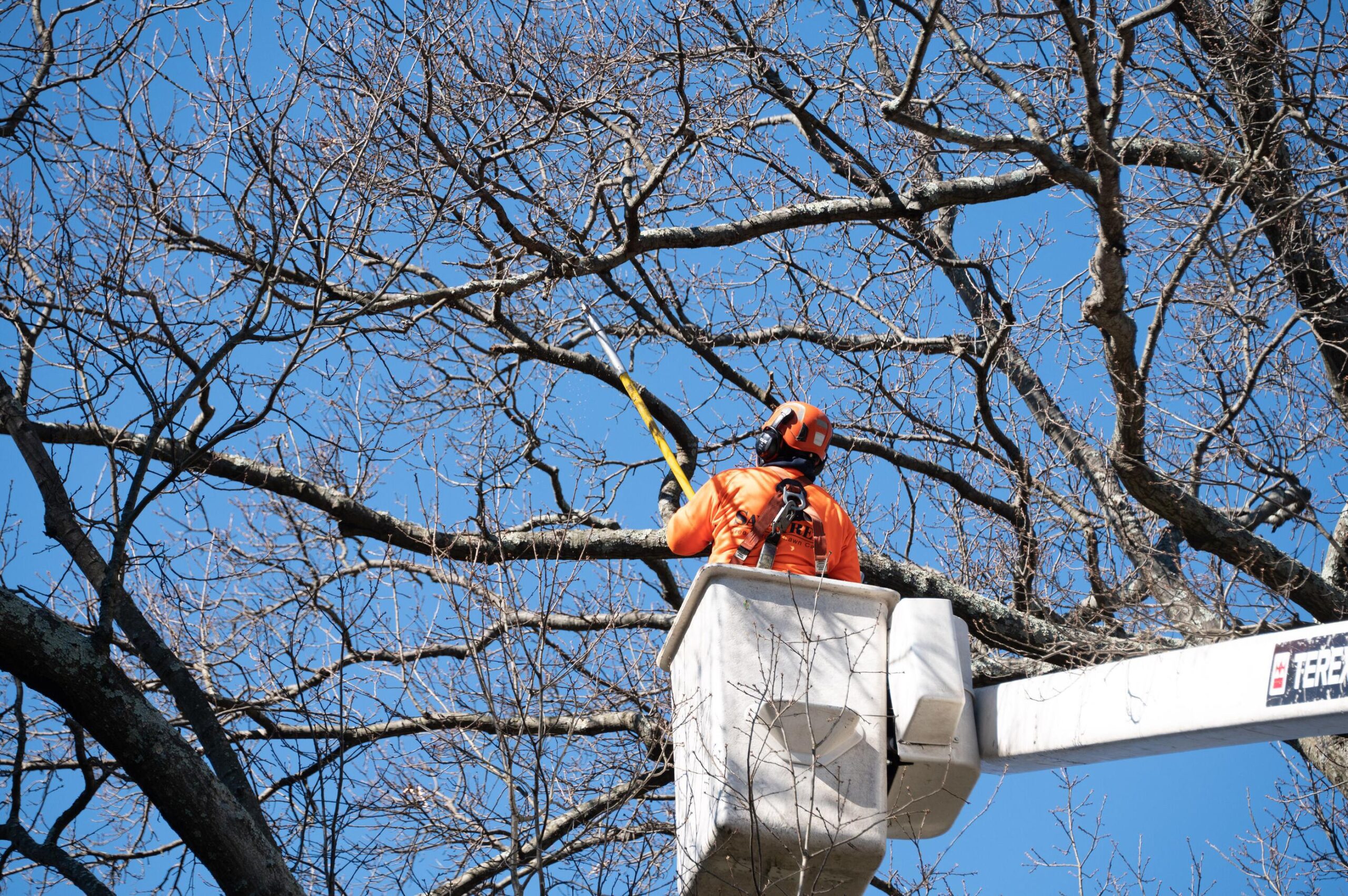
ISA Certified Arborists reduce a crown by assessing health and risk, planning how much they can safely remove under ANSI A300, making correct reduction cuts to laterals, and then tracking how the tree responds in the following years.
There is a huge difference between a quick “cut it back from the roof” trim and real, professional crown reduction service in Florida. The pros follow a process, not just a chainsaw and a ladder.
Assessment & Planning
An ISA arborist always starts with a full tree risk and health assessment before they touch a saw:
- Species identification: The first step is figuring out what tree we are dealing with. Is it a great candidate for reduction like a Live Oak, or a poor one like a tall pine or certain palms?
- Health and vigor: They look at leaf density, color, dieback, and root zone conditions. The question is whether the tree can safely lose 10–25% of its crown right now, or if it is already stressed from disease, construction, or drought.
- Structural condition: The arborist checks for co‑dominant stems with included bark, cracks along limbs or the trunk, root plate issues, old pruning wounds, or previous topping damage. Poor structure may change the plan completely.
- Targets and clearance needs: They map out what is under and around the tree. Roofs, driveways, playsets, sidewalks, neighbor property, and especially utility lines all matter when you decide what has to be shortened.
- Desired outcome: Lowering the top, pulling back the sides, clearing a roof, or boosting storm resistance all call for slightly different strategies even though it is all crown reduction.
Once that is clear, they apply the ANSI A300 crown reduction standard to shape the plan:
- Maximum reduction per session: Usually capped at about 25% of the live crown. Removing more steals too much energy at once and can kick off decline.
- Live crown ratio minimum: For most mature shade trees, they aim to keep at least about 60% live crown, though that slides a bit by species and age. You never want a big bare trunk with a little tuft of canopy on top.
- Cut locations: The arborist identifies good laterals with a one‑third diameter ratio or better. Those become the landing spots for reduction cuts.
- Priority limbs: Limbs directly over structures, traffic, or high‑use areas get attention first. A far‑flung limb over a pool cage is not the same risk as one over a remote corner of the yard.
At this stage, a reputable Florida arborist will talk openly about alternatives. If they have to go beyond ANSI limits to solve your problem, or if the tree has major structural defects, they will usually recommend removal instead of reduction. That conversation often includes expected lifespan, target risk, and replacement options, which you can dive into more thoroughly in separate removal and risk guides.
Making Proper Reduction Cuts
The real craft of ISA reduction cut technique is all about where each cut lands and how it is made. This is where cheap “trimming” jobs go wrong.
1. Cut location: to a lateral branch
- Cuts are always made back to a lateral branch that is at least one‑third the diameter of the limb being removed. That is the core of the one‑third rule branch ratio.
- That lateral branch becomes the new terminal leader for that section. It controls the regrowth pattern after proper reduction, so new growth is balanced and attached in the right place.
2. What is a reduction (drop‑crotch) cut?
- A reduction cut or drop‑crotch cut removes the outer portion of a branch just above where it joins a smaller lateral. You “drop” the end weight back to that crotch.
- The cut is made just outside the swollen branch collar, where the tree’s natural defense zone sits. This allows faster wound closure after reduction and less decay.
- For large limbs, the climber will use an undercut and top cut to prevent ripping bark down the trunk, especially on species with thinner bark.
3. Wound size and healing time
- ANSI A300 reminds us that wound size should fit the tree’s age and vigor. On older trees, giant cuts are a problem. It is usually better to make several smaller cuts than one massive cut that the tree never closes.
- Smaller wounds usually start to seal over within a few weeks in the growing season, but full closure can take months to years depending on branch diameter and species.
4. Leader reduction and branch subordination
- On trees with competing tops or co‑dominant stems, arborists use leader reduction and branch subordination to quietly favor a stronger main leader.
- Over time, this rebalancing lowers the risk of major splits and improves storm resistance after reduction, since wind loads are flowing through a clearer, stronger structure.
5. Heading cuts and topping are avoided
- Heading cuts are those short stubs or cuts back to small twigs or buds on large branches. ANSI A300 allows them only in specific young‑tree training situations, not for major work on mature crowns.
- On big branches, heading cuts behave like topping. They create weak epicormic growth, big exposed surfaces, and a mess that costs more to fix later. That is why they are avoided on proper reduction jobs.
Post‑Reduction Care
Once the crew finishes, the tree’s recovery starts. How that tree is treated in the next few years has a lot to do with whether the pruning pays off.
- Mulching: A wide, 2–3 inch layer of wood chips or similar mulch, pulled back a few inches from the trunk, helps keep roots cooler, holds moisture, and reduces mower damage around the base.
- Watering: In dry spells or extreme heat, deep watering every couple of weeks is far more helpful than frequent shallow sprinkles. You want moisture down where the fine roots live.
- Fertilization (if needed): A good arborist will base any feeding on soil tests, not guesswork. Over‑fertilizing after reduction can push weak, fast growth that is more likely to break.
- Monitoring for defects: The tree should be looked over periodically for decay pockets, cracks near large cuts, or unusual dieback that may show up a season or two later.
- Follow‑up pruning: For many Florida species, a light tune‑up prune or small follow‑up reduction is recommended in 3–5 years to refine structure and keep high‑risk limbs in check.
Thoughtful crown reduction is one of the better tools we have for hurricane preparation. Used correctly, it trims risk without gutting the tree. For deeper storm prep strategies, look to the dedicated hurricane pruning resources that cover bracing, cabling, and species selection.
Step‑by‑Step: Professional Crown Reduction Process
Here is how a typical Florida Live Oak crown reduction might look from a homeowner’s point of view, step by step with an ISA Certified Arborist in charge.
- Initial consultation
- Walk the property and talk through concerns like storm risk, roof and gutter clearance, shaded pools, or branches near service drops and lines.
- Confirm species, property access, and obstructions such as fences, septic fields, pool cages, and landscaping that affect how rigs and equipment can be set up.
- Tree assessment
- Evaluate overall health, leaf density, dieback, and any signs of decay, cavity formation, cracks, or root system trouble.
- Decide if the tree is a solid candidate for reduction or if its condition or location pushes the needle toward removal instead.
- Define objectives and limits
- Set clear, measurable goals such as “8 feet of clearance above the roof,” “10 feet back from service wires,” or “pull limbs back from pool cage by 6 feet.”
- Apply the ANSI A300 reduction standard, planning for maximum 25% reduction and checking that the final live crown ratio stays within a healthy range.
- Mark or mentally map cuts
- From the ground and in the tree, pick out lateral branches that meet the one‑third diameter ratio and will carry new growth in a safe direction.
- Prioritize limbs that sit over structures, high‑use areas, or that show obvious overextension or defects.
- Perform reduction cuts
- Climbers or bucket operators work limb by limb, making reduction cuts to lateral branches and avoiding heading cuts except where ANSI permits them for small, young wood.
- Use proper three‑step cutting techniques on larger limbs to stop bark tearing and protect the trunk and main scaffold branches.
- Fine‑tuning the crown
- Step back, look at the tree as a whole, and make minor adjustments to improve balance and weight distribution without chasing perfect symmetry or removing too much foliage.
- Subordinate competing leaders or overly aggressive limbs that could cause future structure problems.
- Site cleanup and safety check
- Chip or haul debris, rake the work area, and double check that no hangers, broken stubs, or missed deadwood remain in the canopy.
- Verify that agreed‑upon clearances from buildings, roads, driveways, and utilities have been met or improved.
- Post‑reduction recommendations
- Talk through watering, mulching, and lawn‑care practices that help recovery and avoid root damage.
- Set a rough re‑evaluation window, often in the 3–5 year range, and note any branches or areas to watch in the meantime.
Crown Reduction Cost in Florida 2026
For 2026, most homeowners can expect to spend somewhere between $200 and $3,500+ per tree for crown reduction, with size, species, and job difficulty driving price, and costs often coming in well below full removal.
Crown reduction takes more thought, climbing skill, and time than basic thinning or deadwood removal. You are paying not just for saw time, but for an ISA Certified Arborist to design the work properly. That is why tree crown reduction cost reflects both expertise and risk, not just how many branches hit the ground.
Typical Crown Reduction Price Ranges (Florida 2026)
This table gives a realistic sense of what property owners are seeing for reduction jobs in 2026. Actual bids shift with inflation, insurance, and fuel costs, but the ranges are a good benchmark.
| Tree Size (Florida) | Example | Typical Crown Reduction Cost (USD) |
|---|---|---|
| Small (under ~20 ft) | Small ornamental or young shade tree near a building | $200 – $500 |
| Medium (~20–40 ft) | Mid‑sized maple, laurel oak, or magnolia by a house or driveway | $500 – $1,200 |
| Large (~40–70+ ft) | Mature Live Oak spreading over a home, street, or driveway | $1,200 – $3,500+ |
These bands match up well with the EAV table for Crown reduction cost Florida that many companies use for internal planning:
- Small trees: About $200–$500 for light to moderate reduction.
- Medium trees: Typically $500–$1,200 depending on access and complexity.
- Large trees: Roughly $1,200–$3,500+ where large equipment, rigging, or crane work may be needed.
- Per‑session trend: Prices in recent years have nudged upward slowly, largely due to labor, fuel, gear, and insurance, not because the work itself has changed.
Cost of Crown Reduction vs Removal
A question I hear on almost every large job is, “At this point, is it cheaper just to remove it?” The answer depends on the tree and your long‑term plans.
- For big shade trees, crown reduction typically costs about 50–70% of a full removal, especially once you add in stump grinding and hauling.
- For smaller trees, the price difference narrows, because access, setup, and cleanup time are similar whether you reduce or remove.
Separate guides walk through exact removal numbers, but remember this: removal is a single, one‑time cost. Reduction is maintenance that might be repeated every few years. On the flip side, a well‑placed healthy shade tree gives cooling, property value, and curb appeal that often dwarf the cost of keeping it pruned on schedule.
Factors That Increase or Decrease Price
Two Live Oaks can be the same size on paper and still be wildly different jobs. Here is what usually drives the number up or down:
- Tree size and spread: Bigger canopies with wide spreads simply take more time in the air, more rigging, and usually a larger crew.
- Species: A long, sprawling Live Oak over a house is a very different job from a compact ornamental in the front yard. Some species also produce heavier or more brittle wood, which slows things down.
- Access: Tight backyards, steep slopes, septic fields, or pool cages can rule out bucket trucks and cranes. That pushes more work onto climbers and usually increases price.
- Risk level: Working close to roofs, glass enclosures, sheds, or near power lines ups the risk and the setup time. You may need specialized gear, spotters, or even coordination with utilities.
- Debris handling: Leaving wood on site is cheaper than hauling it away. Chipping onto your property is cheaper than hauling everything to the dump and paying disposal fees.
- Number of trees: Doing several trees in one visit spreads mobilization costs and often improves the per‑tree price.
Companies like Panorama Tree Care typically give written estimates that spell out whether the work described is true crown reduction under ANSI A300 or just generic “trimming.” That difference matters. Proper reduction takes more time, but you are buying health and structure instead of quick cosmetic change.
Crown Reduction vs Full Removal: When Each Is Better
Crown reduction is the better choice when a solid, healthy tree can be sized down safely within ANSI limits, and full removal is better when the tree is structurally or biologically compromised or would need harsh cutting to resolve your concerns.
When Crown Reduction Is the Better Choice
In most Florida neighborhoods, crown reduction is my first pick if the tree meets these conditions:
- The tree is structurally sound, with no major trunk, root, or stem decay that would still make it risky after pruning.
- It has good vigor, solid foliage, and a decent live crown ratio so it can bounce back from losing up to 25% of its canopy.
- It is valuable for shade, energy savings, privacy, or curb appeal, meaning it is an asset to the property if kept safe.
- Its conflicts with structures, wires, or neighbors are manageable with no more than about 25% crown reduction each visit.
- It is a species with good reducibility, such as Live Oak or certain hardwoods that respond well to this approach.
Under those conditions, ANSI‑compliant crown height reduction and crown spread reduction can:
- Bring overextended limbs back inside a safer profile and lower failure risk.
- Provide clearances for roofs, driveways, and utility lines without stripping the tree.
- Maintain much of the tree’s environmental and financial value for the property.
When Full Removal Is the Better Choice
Sometimes, trying to “save” a tree with heavy pruning costs more in the long run than taking it out once and doing things right. Removal usually makes more sense when:
- Structural compromise: You see significant decay at the base, in the trunk, or in key support limbs, large cracks, or a serious lean that pruning alone cannot fix.
- Serious disease or pests: The tree is already in steep decline or infested, and treatment combined with pruning is unlikely to restore a safe, healthy canopy.
- Poor species for reduction: Trees like tall pines or some palms that simply do not handle major pruning well and often look worse or become hazardous afterwards.
- Required reduction exceeds ANSI limits: If solving your problem means cutting off more than 25% of the live crown or leaving too little live crown ratio for the tree to support itself, reduction is not the right tool.
- Previous topping damage: Old topping wounds that are decayed, full of weak sprouts, or split. Trying to fix that with more cutting usually just chases a losing battle.
In those situations, heavy “reduction” can turn into topping with a nicer label. That just postpones a failure or an emergency removal. If a pro recommends removal, use a good tree removal process guide to understand how the job will be done, how to protect the property, and what replacement trees make sense.
Cost and Long‑Term Perspective
- Crown reduction: Requires more craft, but keeps your shade and property value. You will likely revisit the tree every 3–7 years for tuning and structural work.
- Removal: Higher up‑front bill but removes that risk completely. You also lose the benefits, which means hotter yards and sometimes lower property appeal.
The smartest decision takes cost, risk, tree health, and your long‑term plans into account. An experienced Florida arborist can walk you through the risk profile, expected lifespan, and maintenance outlook for both options so you are not just flipping a coin based on price.
Common Mistakes in Crown Reduction (and How to Avoid Them)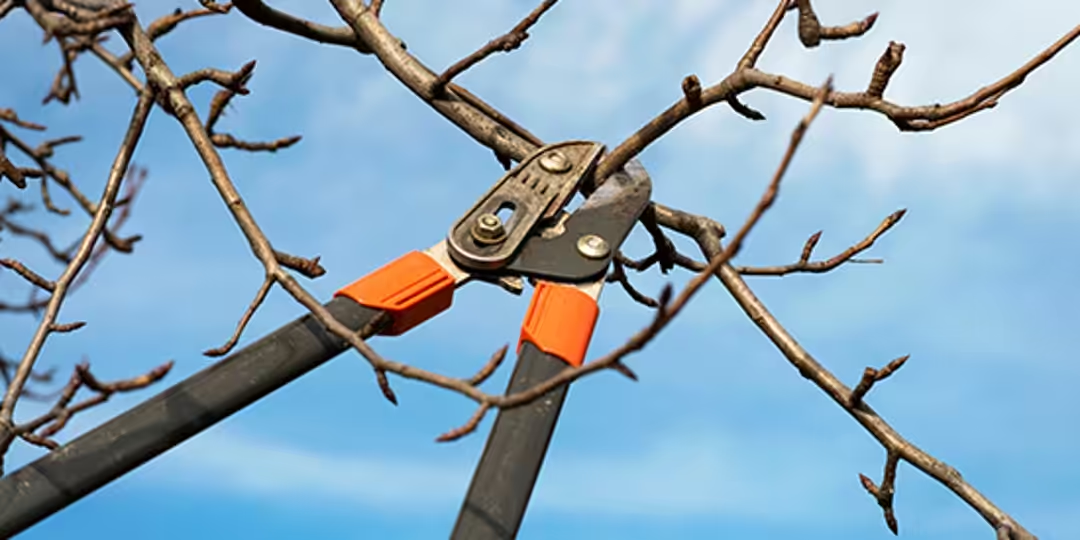
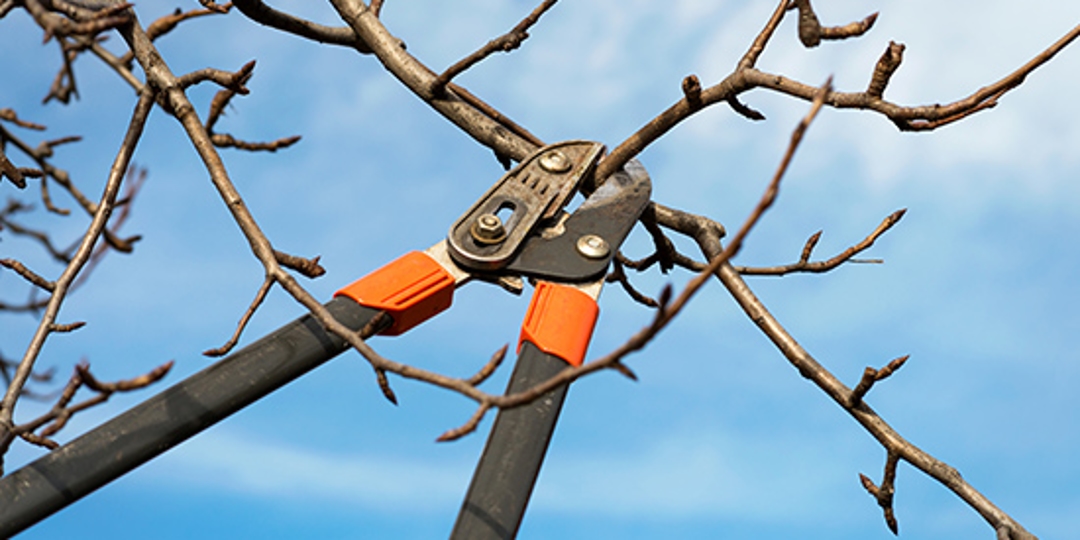
A lot of what is advertised as “reduction” around Florida breaks ANSI A300 right out of the gate and ends up looking like topping. Here are the biggest problem areas and how to sidestep them.
- Mistake 1: Cutting too much at once
- Problem: Taking 40–60% of the live crown in one go shocks the tree, strips its food factory, and often leads to dieback or big shoots you do not want.
- Fix: Work within the 25% reduction per session guideline. If the tree truly needs more change, plan a phased approach or reconsider whether removal is more honest and effective.
- Mistake 2: Using heading cuts instead of reduction cuts
- Problem: Cutting branches to stubs or tiny twigs creates a forest of weak upright shoots and leaves big, slow‑to‑heal wounds that invite decay.
- Fix: Require reduction cuts to laterals with a one‑third diameter ratio, exactly as the ANSI standard describes. If a branch has no suitable lateral, it may not be a good candidate for reduction at that point.
- Mistake 3: Ignoring species differences
- Problem: Treating a pine or a Queen Palm like an oak leads to failures, decline, or outright death. Some species just do not work with heavy reduction.
- Fix: Confirm ahead of time that your species has good reducibility, such as Live Oak or, in some cases, Laurel Oak with caution, before building a reduction plan.
- Mistake 4: Over‑thinning instead of reducing length
- Problem: Crews sometimes strip out interior foliage and leave long, whip‑like tips. That pushes more weight to the ends and can increase the chance of breakage.
- Fix: Focus on shortening overextended limbs and reducing sail area at the tips. Light interior thinning is fine, but length is the priority, not just “cleaning out” the inside.
- Mistake 5: Not considering long‑term regrowth pattern
- Problem: Random cuts can create awkward or one‑sided regrowth that will need more aggressive pruning later or increase risk on one side of the tree.
- Fix: Use directional reduction cuts that encourage new growth where you want the canopy to fill in and away from buildings, wires, and views you are trying to protect.
- Mistake 6: Hiring non‑certified “trimmers”
- Problem: Rock‑bottom bids often skip standards, skip insurance, and rely on topping or other shortcuts that look dramatic but cause long‑term damage.
- Fix: Hire an ISA Certified Arborist and ask directly whether their pruning follows ANSI A300 reduction standards. If they talk about “hat‑racking” or “just topping it,” walk away and find someone else.
FAQ: Tree Crown Reduction in Florida
Here are straightforward answers to how much you can reduce a crown, how often to do it, whether DIY makes sense, and how to find an ANSI‑compliant crown reduction service in Florida.
How much can you reduce a tree crown at one time?
Under the ANSI A300 crown reduction standard, most arborists cap reduction at about 25% of the live crown per session. Taking more than that risks shocking the tree, causing decline, or blowing the live crown ratio. On older or stressed trees, a good ISA arborist may recommend even lighter work or splitting the project into phases.
How often should crown reduction be done on a tree in Florida?
Most mature shade trees in Florida only need significant crown reduction every 3–7 years. Faster growers like Laurel Oak land toward the shorter side of that range. Slower and sturdier species like Live Oak often do well with longer intervals and more frequent light structural pruning instead of major reduction every time.
Will a properly reduced tree grow back to its original height?
Given enough time, a healthy tree will keep growing after crown height reduction. The difference is in how it regrows. With regrowth pattern after proper reduction, new growth comes from chosen laterals and forms strong attachments. Topped trees, on the other hand, explode with weak, vertical shoots that break easily in storms.
Is crown reduction safe to do as a DIY project?
For medium or large trees, DIY crown reduction is not recommended. Proper reduction cuts require understanding tree biology, structural loading, and that all‑important one‑third diameter ratio. On top of that, working at height with saws is one of the more dangerous things you can do in your yard. Anything beyond low, small branches should be handled by an ISA Certified Arborist.
How do I know if a Florida tree company follows ANSI A300 reduction standards?
Ask them straight out if their work follows the ANSI A300 crown reduction standard and whether an ISA Certified Arborist will supervise or perform the job. Be cautious of companies that casually mention “topping,” “hat‑racking,” or that propose cutting off more than about 25% of the crown in one visit.
Is crown reduction better than topping for storm preparation?
Yes. Thoughtful crown reduction improves storm resistance after reduction by shortening overextended branches and reducing sail area while keeping the structure intact. Topping creates weak sprouts and large decay‑prone wounds that usually increase long‑term storm failure risk, even if the tree looks short right after the job.
When is crown reduction not recommended?
Crown reduction is a poor choice when the tree has serious structural issues like major trunk decay, root problems, or big cracks, when it is a poor reduction species such as many pines and palms, or when the pruning needed to address concerns would exceed ANSI A300 limits. In those cases, removal and replanting often give a safer and more cost‑effective outcome.
What is the typical cost of crown reduction in Florida compared to removal?
Across Florida, a single‑tree crown reduction usually runs $200–$3,500+, shaped by tree size and difficulty. Full removal, especially for large trees, often costs more because of rigging, disposal, and stump work. For big Live Oaks, reduction is commonly in the 50–70% of the removal cost comparison range, while still preserving your shade and property value.
Final Summary & Next Steps
Tree crown reduction is one of the best tools an ISA Certified Arborist has for keeping Florida’s big trees safe, functional, and good‑looking without jumping straight to removal. Done according to the ANSI A300 crown reduction standard, it manages tree size by using reduction cuts to lateral branches so the structure stays strong and regrowth comes in where it should.
Before you let anyone “cut back” or “top” your trees, make sure they can clearly explain how they will:
- Keep removal under about 25% of the crown per session.
- Maintain a healthy live crown ratio so the tree can stay vigorous.
- Rely on proper drop‑crotch / reduction cuts that respect the one‑third diameter ratio.
- Work in line with ISA and ANSI A300 guidelines instead of using shortcuts.
If you are in Florida and thinking about crown reduction service for a Live Oak, Laurel Oak, or any other large tree, set up an assessment with an ISA Certified Arborist. They can look at your specific tree, your structures, and your goals, then tell you honestly whether reduction or removal is the better move for your property.
Ready to explore crown reduction instead of topping or removal? Contact your local ISA‑certified team and ask for a site visit and a written, ANSI‑compliant reduction plan tailored to your Florida trees.
Contact our Florida arborists for a free assessment and estimate.