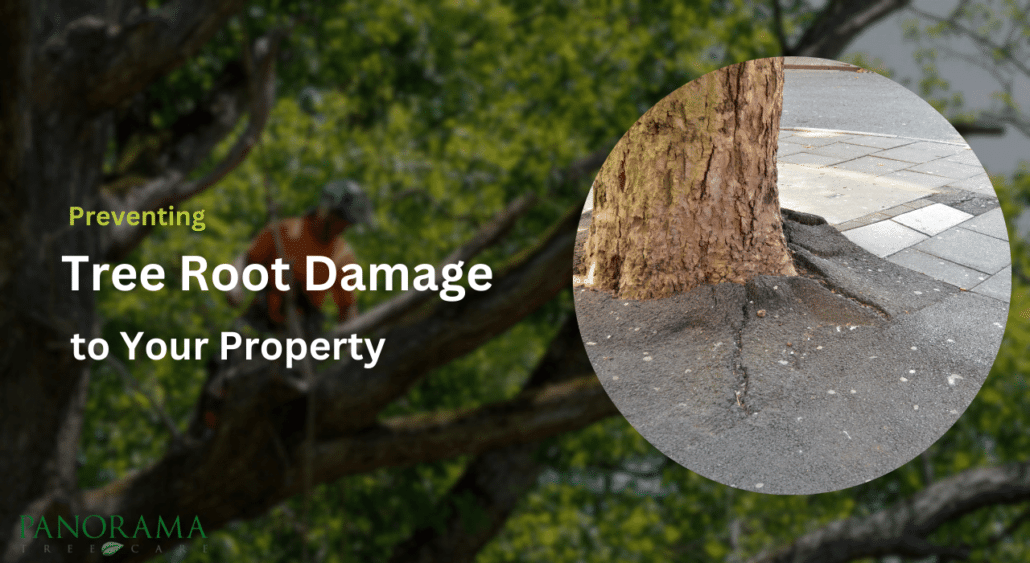
TL;DR: in Florida’s sandy soil, invasive tree roots don’t go deep — they run wide and shallow, which puts foundations, sewer lines, and sidewalks right in the danger zone.
You avoid most of the expensive headaches by planting smart, keeping the right distance from structures, using proper root barrier installation, and getting a pro to look at things as soon as you see early warning signs.
Key Takeaways
- Florida’s sandy soil and high water table encourage lateral root spread close to the surface, which means more contact with foundations, sewer laterals, driveways, and sidewalks.
- Most damage is from moisture changes and physical displacement (heave, lifting, infiltration), not some Hollywood version of “roots exploding through concrete” overnight.
- Clay and older concrete sewer pipes are far more prone to root intrusion than modern PVC sewer pipes, especially at joints, fittings, and small cracks.
- Early warning signs include cracks or gaps near the base of walls, slow drains across the house, lifted sidewalk panels, and new lean or heave in fences, walls, or pavers.
- Good prevention uses proper minimum planting distance from structures, smart species choices, regular root zone checks, and professional root barrier installation in known risk areas.
- Florida root barriers usually use HDPE or polypropylene membranes installed 24–36 inches deep and run about $15–$40 per linear foot, depending on access, depth, and obstacles like driveways or patios.
- Advanced tools such as an air spade root excavation tool and ISA root assessment let pros see how roots are actually growing without ripping up your yard, then plan pruning, barrier placement, or removal.
- Tree removal is the last step, but sometimes it’s the only honest option when roots cause severe, ongoing structural damage or when the amount of pruning needed would leave the tree unsafe.
What Is Tree Root Damage?
Tree root damage is any harm to buildings, utilities, or hardscape that happens because of root growth or changes in moisture around the root zone. In Florida, that usually shows up as one or more of these:
- Foundation heave or settlement caused by roots changing soil moisture, displacing loose backfill, or occupying space right up against footings and slabs.
- Sewer pipe infiltration where roots sniff out moisture, slip into joints or cracks, and grow inside the line, especially in clay or older concrete pipes.
- Sidewalk and driveway lifting when shallow lateral roots expand under slabs, pavers, and curbs and slowly jack them upward.
How Tree Roots Damage Property (Foundation, Sewer, Sidewalk)
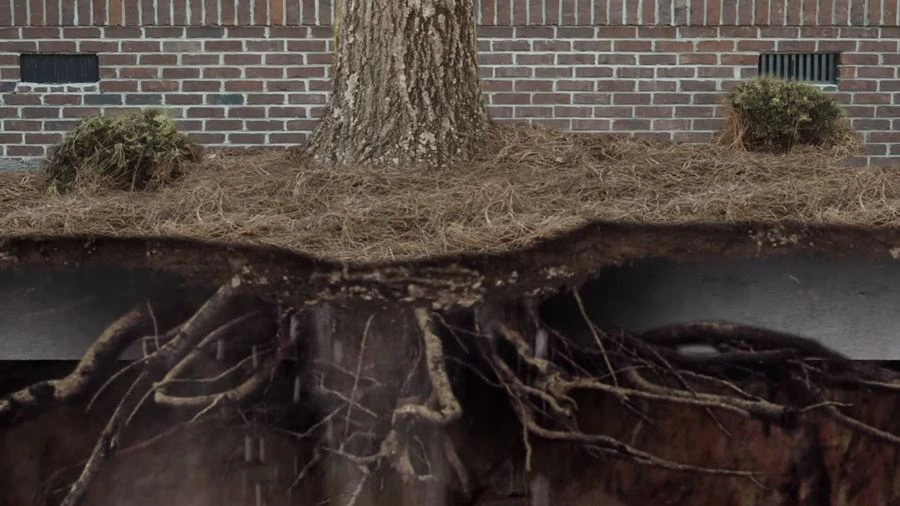
Tree roots in Florida usually hurt property in three main ways. They move or crack the foundation, they invade and clog the sewer line, and they lift and break sidewalks and driveways. All three are driven by the same basic behavior. Roots chase water and oxygen, and in our sandy soil they find both near the surface, right where your infrastructure lives.
In practice, the worst offenders tend to be large oaks, some ficus species, and a few aggressive ornamentals. When those are planted too close to homes, driveways, or the Hillsborough County sewer lateral, you get a perfect storm of wide canopies, heavy root plates, and shallow utilities.
Foundation Damage
Roots almost never crack solid, healthy concrete by brute strength alone. That’s not how foundation damage usually works. What they do is shift the soil, change where moisture sits, and pack themselves into any easy space around your footings.
Here’s how that plays out on real jobs:
- Foundation heave: Roots grow into loose, backfilled soil around the house, hold extra moisture, and physically take up room. That can cause parts of a slab or stem wall to lift slightly, especially in patchy zones.
- Settlement: After a big tree is removed or dies, the soil that relied on that root system for structure and moisture can start to dry out, shrink, and settle. You end up with voids under your slab or porch steps.
- Root plate pressure: The root plate radius is that dense zone under the trunk and main canopy. As it grows and thickens, it can push against shallow footings, small patios, or thin slabs poured too close to the trunk.
in Florida’s sandy soils, older block houses and shallow foundations feel this movement faster than deep, well-engineered footings. Common things I see on inspections include:
- Fresh cracks radiating from corners or through stucco near a big tree line.
- Baseboards pulling away from flooring or small gaps opening where walls meet the slab.
- Interior doors that suddenly start sticking on one end of the house while the rest swing fine.
Once you confirm the foundation is moving, you usually combine a few approaches. Moisture management to even out wet and dry zones, limited root pruning if it’s safe, root barrier installation to keep new roots from pushing back in, and in heavier cases, foundation underpinning to stabilize the structure for the long haul.
Sewer Line Infiltration
Tree root damage to sewer line is one of the most common things I see on older properties. If your place still has original clay sewer pipe or early concrete laterals, especially from the 60s or earlier, odds are roots are already checking it out if there’s any potential for tree near foundation damage nearby.
Here’s the typical pattern:
- Sewer pipe infiltration: Roots hunt for moisture. Tiny leaks, condensation, or poorly sealed joints become an invitation. Roots slide through those gaps and then branch and thicken inside the pipe.
- Clay pipe vulnerability: Clay and some concrete pipes are built with more joints and less flexible seals than PVC sewer pipe. Every joint is another chance for roots to sneak in.
- Blockage and breakage: As roots mature, they catch toilet paper and solids. You get frequent clogs, then eventually cracked or fully separated pipe sections if you keep ignoring it.
The section from your house out to the street, the Hillsborough County sewer lateral, is typically yours to maintain. That’s where a lot of the trouble (and cost) lands. Early clues that roots may be inside that lateral include:
- Multiple fixtures slowing down at once, like showers and toilets, not just one sink.
- Toilets gurgling or bubbling when you run a sink or tub nearby.
- A narrow, consistently greener or soggier strip of lawn that lines up with the lateral path.
If you suspect tree root damage to sewer line, don’t keep snaking it blindly. A professional sewer camera inspection is usually the first, smartest move. From there, you’re looking at mechanical cleaning, lining the pipe, or outright replacement of bad sections, often paired with a targeted root barrier to keep new roots from coming back.
Sidewalk & Driveway Lifting
Tree root damage sidewalk issues are the ones everyone notices, because they’re right in your face and under your feet. They also turn into liability problems fast if someone trips.
In real-world terms, this is what’s happening beneath the slab:
- Lateral root spread: in Florida’s sandy soil, roots aren’t fighting dense clay. They run wide and shallow, often extending well beyond the canopy drip line.
- Slab lifting: As those lateral roots get thicker, they press against the underside of sidewalks, patios, and driveways. The pressure isn’t sudden. It’s a slow lift over years.
- Cracking and displacement: Concrete panels tend to fail along their weakest lines. So they crack above the main roots, and you end up with one panel higher than the next.
Thin slabs poured just 2–3 inches above grade, with weak or no reinforcement, are the first to go. To deal with it, you’ve got a few options. Sometimes grinding the lifted edge buys you time. In more serious cases you combine careful root pruning with a root barrier membrane on the tree side, then re-pour with better thickness, reinforcement, and clearance from obvious root paths.
Why Florida’s Sandy Soil Makes Root Damage Different
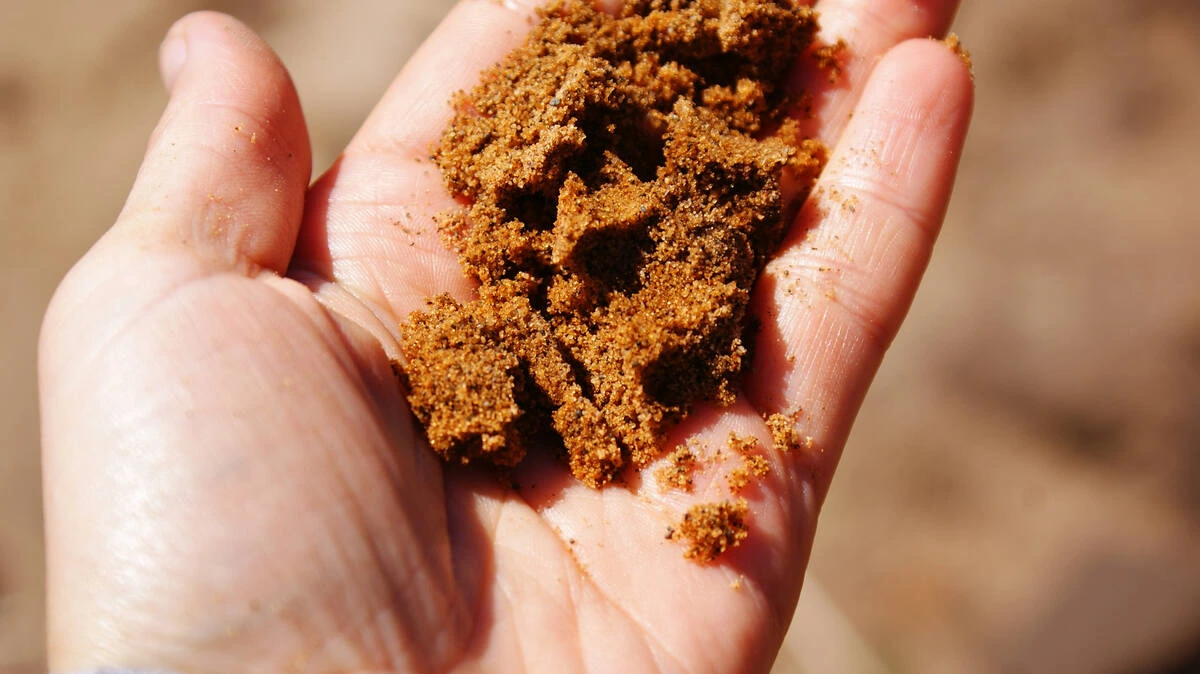
Florida’s sandy soil changes the entire root game. Instead of deep, chunky taproots like you see in heavy clay regions, most trees here spread a flat, wide network. Pair that with a relatively high water table, and roots hang out close to the surface where concrete, pipes, and pavers live.
The Florida sandy soil profile behaves differently compared to clay-based regions in a few key ways:
- Faster lateral root spread: Loose sand offers very little resistance, so lateral root spread often reaches 1.5–3 times the canopy width on large shade trees. A 30-foot canopy isn’t unusual to have roots influencing soil 45–90 feet out.
- Shallower root systems: Because oxygen and moisture hang out near the top, many roots stay in the top 12–24 inches. That’s exactly where sidewalks, shallow water lines, and a lot of sewer laterals sit.
- Reduced anchoring depth: Instead of a single deep taproot, many Florida trees rely on a broad root plate radius right under the surface. That means more structural roots near your slabs and foundations.
- Different moisture dynamics: Sandy soil drains quickly after rain. So trees tend to chase consistent moisture around irrigation lines, foundation drip zones, and any leaks off the Hillsborough County sewer lateral or other pipes.
Because of all this, tree root damage prevention matters a lot more here than in some cities with heavier clay. Even a medium tree planted too tight to your house, driveway, or sewer line can cause serious issues in a decade or less.
Signs of Tree Root Damage to Your Property
Root problems usually whisper before they scream. In Florida, I often see a few “minor” signs sit for a couple of years, then suddenly the homeowner is looking at a big foundation or sewer bill. Catching things early keeps the fixes smaller and cheaper.
Keep an eye out for these warning signs:
- Foundation & walls
- Diagonal cracks around windows or doors, especially on the side of the house closest to a large tree.
- New gaps opening between exterior stairs, porches, or stoops and the main building wall.
- Floors that feel like they dip or rise as you walk, or doors that suddenly start sticking on only one portion of the house.
- Sewer and plumbing
- Multiple drains slowing at the same time instead of just one clogged fixture.
- Toilet bubbling or gurgling when a nearby shower or sink drains, which hints at a main line issue.
- Recurring sewer backups even after you’ve had the line snaked or hydro-jetted.
- Sidewalks, driveways, and patios
- Single or adjoining concrete panels lifted ½ inch or more at the joint.
- Pavers that heave, separate, or rock underfoot near a tree trunk or strong surface roots.
- Obvious surface roots running just under or right up against walkways.
- Yard structures and fences
- Fence posts leaning near trees even when there hasn’t been a wind event that explains it.
- Retaining walls bowing, bulging, or cracking where major roots pass behind or under them.
Timeline from first signs to serious damage:
- 0–2 years: Hairline cracks, slight sidewalk lift, and occasional slow drains. This is your best window to fix things with low-cost tactics like root barriers, minor slab work, and basic plumbing repairs.
- 2–5 years: Noticeable differences in floor height, recurring sewer clogs, cracked sidewalk panels, and more obvious foundation cracking. Repairs get more involved and usually mean partial replacements.
- 5+ years: Significant structural movement, sections of pipe collapsing, major trip hazards, and possibly doors and windows no longer aligning. Expect heftier structural and utility replacement costs, plus serious root management.
Bringing in a pro early for an ISA root assessment and, if needed, an air spade root investigation can keep a “nuisance” from turning into a five-figure problem.
How to Prevent Root Damage Before It Starts
Preventing tree root damage in Florida is a lot cheaper than fixing it later — including stump removal after root damage or major repair work. Your best approach is pretty simple. Pick the right tree, plant it far enough away, and give roots a path that keeps them off your foundation, sewer, and flatwork. Then check in on that root zone each year so you can catch changes early.
The three big pillars are species selection, honoring the minimum planting distance from structures, and installing root barriers when and where they make sense.
Root Barrier Installation
Done right, root barriers don’t kill the tree. They redirect roots so they grow away from whatever you’re protecting. In Florida, you’ll see them a lot along property lines, beside driveways, parallel to the Hillsborough County sewer lateral, and near shallow foundations or pool decks.
Main barrier types include:
- Physical root barrier membrane
- Most often heavy HDPE or polypropylene sold as panels or rolls designed not to break down quickly in soil.
- Installed vertically in a trench 24–36 inches deep. Seams need to be overlapped or locked so roots can’t sneak through tiny gaps.
- Roots that hit the barrier generally get deflected down and sideways, away from the slab, pipe, or sidewalk you’re trying to protect.
- Chemical root inhibitor
- Special root-slowing compounds placed in a trench or built into geotextile fabric.
- They don’t stop roots forever but create a narrow zone where root growth is slowed or discouraged.
- Often paired with physical barriers, especially around sewers and tightly packed hardscape where trench width is limited.
- Air gap or structural barriers
- Things like concrete or masonry footings, deep planter boxes, or engineered walls that define a controlled root space.
- These are more common in new builds where the whole landscape and structure are planned together from scratch.
If you want to get into the weeds on barrier layout, depths, and how close you can safely trench to certain species, a local arborist or root barrier contractor can design it so you’re not guessing.
Species Selection for Small Lots
On tight Florida lots, tree choice matters more than most people think. Some trees just come with aggressive root systems and a bigger tree root spread radius. Put those six feet from a foundation or right over a sewer run, and you’re almost guaranteeing trouble later.
Guidelines for small-lot tree selection:
- Lean toward moderate-height ornamentals and smaller-canopy trees when you’re planting near houses, driveways, or patios. You still get shade without the same structural risk.
- Avoid species known for aggressive, invasive tree roots around utilities and hardscape. Those are the ones that fill sewer joints and lift sidewalks way ahead of schedule.
- Look for varieties listed with lower infrastructure damage risk and a smaller root zone critical radius in city or university extension lists.
- Match mature height and canopy width to the actual space you have. Don’t squeeze a 70-foot shade tree into a narrow front setback and expect the roots to respect your foundation line.
Even with “friendlier” species, Florida’s sandy soil still lets roots run. So you back up good species choice with proper spacing and regular inspections in that root zone.
Proper Planting Distance
The single best form of tree root damage prevention is simply not planting too close in the first place. Once a root system is woven under your slab or across your sewer line, every option gets more expensive and more limited.
Here’s a Florida-oriented rule-of-thumb for minimum planting distance from structure based on mature canopy width. This applies to foundations, drives, and sewer laterals:
| Mature Canopy Width | Typical Root Spread Ratio | Suggested Setback From Structures |
|---|---|---|
| Up to 15 ft (small ornamental) | 1.0–1.5 × canopy width | 8–10 ft |
| 15–30 ft (medium canopy) | 1.5–2.0 × canopy width | 12–18 ft |
| 30–50+ ft (large shade) | 2.0–3.0 × canopy width | 20–35 ft |
Expert tip: Don’t forget the stuff you can’t see. Before you plant, have utilities located and sketch out where your Hillsborough County sewer lateral, water lines, and other underground services run. Either shift the planting hole out of those corridors or install barriers during planting so roots never get a straight shot at those lines.
Root Barrier Installation in Florida (How It Works & Cost)
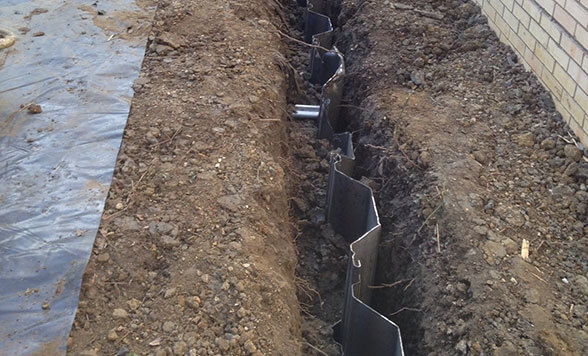
in Florida, root barriers are usually narrow trenches lined with HDPE or polypropylene membranes, dropped in at 24–36 inches deep, sometimes combined with chemical inhibitors. For a homeowner, you’re typically looking at $15–$40 per linear foot, with depth, access, and obstacles being the big variables.
If you hire a professional service such as Panorama Tree Care root barrier service, here’s the kind of setup you can expect.
Barrier Types Used in Florida
Most barrier systems we use around Florida fall into three categories:
- Physical membrane root barriers
- Commonly made from HDPE (high-density polyethylene) or polypropylene, often in thick, rigid or semi-rigid sheets.
- Typical thickness runs between 40–80 mils. Thicker materials are harder to damage during backfilling and stand up better over decades.
- With proper installation, these membranes can last 25 years or more, which usually covers the working life of nearby flatwork or pipe sections.
- Root barrier fabric with chemical inhibitors
- These use geotextile impregnated with a chemical root inhibitor that discourages root tip growth right against the fabric.
- They’re handy where space is limited, or where you can’t dig a wide trench for heavy panels.
- Hybrid systems
- Membrane panels protecting the most critical side, like the house foundation or pool shell.
- Chemical treatments or fabrics along less critical zones such as fence lines or secondary paths over the sewer lateral.
Typical Installation Process
Every property is a little different, but most Florida root barrier jobs follow a similar sequence. Here’s what that usually looks like from the homeowner’s side:
- ISA root assessment to figure out what species you have, how healthy it is, and how far the root spread radius has already reached. This step keeps you from accidentally cutting the wrong structural roots.
- Marking all utilities and critical infrastructure. That includes the Hillsborough County sewer lateral, irrigation, electric, gas, and any low-voltage lines that might be in the way.
- Excavating a narrow trench along the “defense line” between the tree and the thing you’re protecting, like a foundation, sidewalk, or sewer path.
- Installing the root barrier membrane panels or rolls so they sit straight and continuous, with seams overlapped or mechanically locked so roots can’t squeeze through.
- Backfilling the trench carefully, compacting in lifts so the soil settles evenly without damaging the barrier or leaving big air pockets.
- Cleanup, grading, and a final walkthrough to confirm the depth, alignment, and continuity of the barrier.
On more complex sites or with mature trees close to critical structures, we’ll often use an air spade root excavation tool. That lets us blow soil off the roots with compressed air, map exactly where the major structural roots run, decide what limited root pruning is safe, and then set the barrier without blind cuts that could destabilize the tree.
Costs and Lifespan in Florida
For the Florida area in 2026, here are realistic cost ranges for barrier work under typical residential conditions:
- Physical membrane: Roughly $20–$40 per linear foot for 24–36 inch depth, assuming normal access and soil.
- Chemical barriers or fabrics: Often in the $15–$25 per linear foot range, depending on product and how tricky the layout is.
Costs climb when the work gets more technical, such as:
- Roots pressed right up against existing foundations, patios, or buried utilities that limit where and how you can trench.
- The need for a detailed air spade root investigation or other advanced mapping before anyone can safely prune roots.
- Obstacles like driveways, sidewalks, pool decks, or retaining walls that need partial demolition and then reinstallation.
Hidden cost insight: Root barrier installs are often part of a bigger puzzle. You might be doing sidewalk repair, swapping out a problem section of sewer lateral, or handling some light foundation underpinning at the same time. Coordinating all of that in one shot usually ends up cheaper and cleaner than doing each piece separately a year or two apart.
When Root Damage Means the Tree Must Go
Most of the time, good planning and barriers let you keep the tree and protect your property. But sometimes the roots are in such a bad spot, or the damage is so advanced, that the only practical choice is full removal. As an arborist, that’s usually my last recommendation, not my first.
Here are the situations where removal often makes sense:
- Severe girdling root
- A girdling root is a root that wraps around the trunk or another major root and eventually chokes it off. Over time, that weakens the tree and can create a serious failure risk.
- After a root collar excavation exposes the problem, an arborist may find that cutting out the girdling root will destabilize the tree so much that removal is safer than trying to save it.
- Foundation damage exceeding repair cost thresholds
- If the tree’s roots have become a major driver of ongoing foundation movement, you eventually hit a point where keeping the tree costs more than repeated structural repairs.
- This is especially true if part of the root plate is directly under key footings or slab areas and would keep pushing even after partial mitigation.
- Sewer replacement required
- Sometimes the Hillsborough County sewer lateral or private sewer line runs straight through the tree’s critical root zone.
- If that line has to be replaced and there’s no way to reroute it or trench without taking out major structural roots, you usually can’t reasonably save the tree.
- Root pruning would destabilize the tree
- If protecting a house or pool shell would require cutting large structural roots inside the root zone critical radius, the tree may be left too likely to fail in storms.
- In that case, removal is safer for both people and property than leaving a compromised tree standing.
Tree removal decisions also weigh the species, age, any history of defects or decay, and what people do in that space. A borderline tree beside a frequently used play area or parking spot is a very different risk than one sitting in a rear corner of a big lot.
Even after the trunk is gone, leftover roots can keep shrinking and rotting for several years. That can shift soil and affect slabs and walkways nearby. In some cases, stump removal after root damage through grinding or full excavation helps stabilize the grade so you’re not building over a void that forms later.
Comparison Table: Root Barrier vs. Tree Removal vs. Do-Nothing
Most homeowners facing root problems end up weighing three basic paths. Put in a root barrier, take the tree out, or cross their fingers and leave it alone. This table lays out how those options usually compare in real life.
| Option | Upfront Cost (Florida) | Impact on Tree | Effectiveness for Foundations/Sidewalks | Effectiveness for Sewers |
|---|---|---|---|---|
| Install Root Barrier | $$ (approx. $15–$40/ft) | Low–moderate (some root pruning) | High when correctly placed | High when aligned with sewer lateral |
| Remove Tree | $$–$$$ (varies by size & access) | Tree lost | High (long-term), may need soil stabilization | High, especially with pipe repair/replacement |
| Do Nothing | $ (short-term only) | No immediate impact | Low; risk of escalating structural damage | Low; risk of backups and pipe collapse |
Common Mistakes Florida Homeowners Make (and How to Fix Them)
- Mistake 1: Planting large trees too close to the house
- Why it’s a problem: in Florida’s sandy soil, big trees quickly push roots under shallow foundations, porches, AC pads, and driveway slabs. You don’t see it for a while, then suddenly cracks start showing up all at once.
- Fix: Use the planting distance guidelines above. If the tree’s already there, get a professional ISA root assessment and discuss strategic root barrier installation before cracks and slab issues get severe.
- Mistake 2: Ignoring recurring slow drains
- Why it’s a problem: Repeated backups are one of the earliest red flags of tree root damage to sewer line, especially in clay and older concrete laterals. Each “quick fix” without inspection lets roots get thicker and more entrenched.
- Fix: Schedule a sewer camera inspection. If they see sewer pipe infiltration, plan repair or replacement of weak sections and add a root barrier along that sewer path if layout allows.
- Mistake 3: Over-pruning roots near the trunk
- Why it’s a problem: Cutting major structural roots too close to the trunk, inside the root plate radius, can destabilize the tree dramatically. I’ve seen trees go from “solid” to high-risk windthrow in one bad trenching job.
- Fix: Use an air spade root investigation to find out exactly where the structural roots are. Then do minimal, targeted root pruning under an arborist’s guidance so you don’t turn a root problem into a whole-tree failure problem.
- Mistake 4: Pouring new concrete over active roots without barriers
- Why it’s a problem: If you just pour new sidewalk or driveway panels right over active, expanding roots, those same roots will lift and crack the fresh slab in a few seasons. You’ll pay twice for the same stretch of concrete.
- Fix: Before new flatwork, expose key roots along that line. Prune carefully where appropriate, then install root barrier membrane between the tree and the new slab. Build in a bit of clearance and proper thickness so the concrete has a fighting chance.
- Mistake 5: Waiting until cracks are severe before calling for help
- Why it’s a problem: Once foundation cracks, sidewalk lifts, or sewer collapses reach a certain point, you’re into heavier fixes like foundation underpinning, major pipe excavation, and slab replacement.
- Fix: As soon as you notice repeating cracks, recurring backups, or steady slab movement, bring in a pro who understands Florida’s sandy soil and water table. Early mitigation is almost always cheaper and less invasive.
FAQ: Tree Root Damage in Florida
Here are straight answers to the questions homeowners ask most often about tree roots, foundations, sewers, and sidewalks.
How far can tree roots spread in Florida’s sandy soil?
In our loose sandy soils, the tree root spread radius commonly reaches 1.5–3 times the canopy width, depending on species and site conditions. Most of the structural roots you care about are still in the top 12–24 inches of soil. That’s why a tree that looks “far enough” from the house or Hillsborough County sewer lateral can still influence them from several yards away.
Does homeowners insurance cover tree root damage?
Policies are all over the map, but most insurers treat long-term root issues as maintenance, not a covered loss. You’ll usually see exclusions for gradual foundation damage from roots and old sewer line deterioration. Sudden events, like a tree falling in a storm and smashing part of the structure, tend to be handled very differently. Always read your policy or call your agent before you assume anything will be covered.
When should I get a sewer camera inspection for root issues?
Get a camera inspection if you’re having recurring slow drains, backups affecting multiple fixtures, or you know you have older clay sewer pipe or concrete laterals near medium or large trees. In Florida, the cost of a camera inspection is minor compared to opening up a street or yard in an emergency because a root mass finally blocked or broke the line.
Is a root barrier cheaper than removing a tree?
For many small to medium trees, a properly installed root barrier is usually cheaper than full removal, stump grinding, and replanting. But if a big tree is already causing heavy structural issues or sitting directly over your main sewer path, paying once for removal plus repairs often beats paying repeatedly for patch jobs. An on-site assessment is the only way to know for sure.
What if my neighbor’s tree is damaging my property in Florida?
Under Florida property law, you’re generally allowed to manage encroaching branches and roots on your side of the boundary so long as you don’t negligently kill or destabilize the tree. The smart path is to talk with your neighbor, document the issues, and bring in a qualified arborist who can recommend safe options like root barriers or targeted pruning that reduce damage without creating a hazard.
Can root barriers stop roots from spreading completely?
No system stops all root growth forever. But a properly installed root barrier membrane in Florida’s sandy soil can redirect the bulk of roots away from whatever it shields. When set between a tree and your foundation, driveway, or the Hillsborough County sewer lateral, it can significantly cut the odds of serious intrusion or lifting.
Are PVC sewer pipes safe from root damage?
PVC sewer pipe holds up far better than clay or old concrete. Its smooth walls and glued joints leave fewer openings for roots to exploit. Still, if PVC joints separate because of poor installation, ground movement, or heavy loads above, roots can slip in there too. Periodic inspections near large trees are still a smart move, especially on older installations or where the soil has shifted.
Final Summary & Next Steps
Florida’s sandy soil and high water table give trees a great environment to grow in, but they also put roots right where your foundation, sewer lines, and sidewalks live. Serious problems usually build over years, not days, which is good news. It means with solid planning, species choice, proper minimum planting distance from structures, early detection, and well-planned root barrier installation, you can enjoy the shade without getting hammered by repair bills.
If you’re already seeing cracked slabs, leaning hardscape, or recurring sewer issues, this is the time to get eyes on it. A qualified arborist can run an ISA root assessment, use an air spade root excavation tool to see what’s going on beneath the surface, and walk you through options. That might mean targeted root pruning, barriers, spot repairs, or, in the worst cases, removal and stump removal for root damage followed by smart replanting.
To dig deeper into root damage prevention strategies in Florida’s sandy soils, visit our guide here: . For property-specific questions about root damage to property from aggressive species and tricky lot layouts.
Technical Reference: EAV Tables
Root Barrier Membrane Specifications (Florida Typical)
The table below shows typical specs we use as a baseline for residential root barrier projects around Florida. Exact values vary by product and site, but this gives you a feel for what’s “normal.”
| Attribute | Typical Value / Range |
|---|---|
| Material | HDPE or polypropylene |
| Installation depth | 24–36 inches |
| Thickness | 40–80 mils |
| Lifespan | 25+ years (with proper installation) |
| Cost per linear foot (Florida) | Approx. $20–$40 (standard residential conditions) |
Tree Root Spread Radius in Florida Sandy Soil (Generalized)
This table summarizes how different tree sizes typically behave in Florida’s sandy soils. It ties canopy size to root spread, depth, and the relative risk of damaging nearby infrastructure.
Contact Florida tree service company for a free assessment and estimate.
| Tree Size Category | Root Spread Ratio (× canopy width) | Depth in Sandy Soil | Infrastructure Damage Risk | Recommended Structure Setback |
|---|---|---|---|---|
| Small ornamental (up to 15 ft canopy) | 1.0–1.5 × | 8–18 inches | Low–medium | 8–10 ft |
| Medium shade (15–30 ft canopy) | 1.5–2.0 × | 10–20 inches | Medium–high | 12–18 ft |
| Large shade (30–50+ ft canopy) | 2.0–3.0 × | 12–24 inches | High | 20–35 ft |
Sewer Line Root Infiltration (Florida Context)
Here’s a quick technical snapshot of how roots interact with sewer lines around Florida and what typical inspection and repair costs look like.
| Attribute | Typical Value / Description |
|---|---|
| Pipe material vulnerability | Clay > Concrete > PVC |
| Joint infiltration method | Roots penetrate at leaky joints, cracks, and separations, then expand inside the pipe. |
| Repair cost (Florida) | Approx. $2,500–$8,000+ depending on depth and length of replacement. |
| Camera inspection cost (Florida) | Approx. $250–$500 per inspection. |
| Prevention method | Use PVC where possible, ensure tight joints, and install root barriers or chemical inhibitors near vulnerable segments. |
Air Spade Root Investigation
The air spade is a key tool for diagnosing root issues without tearing everything up. The table below outlines what to expect from this method in a Florida residential setting.
| Attribute | Typical Value / Description |
|---|---|
| Investigation depth | Up to ~24–30 inches in most residential applications. |
| Root mapping accuracy | High (often 80–95%, depending on soil and access). |
| Soil removal method | Compressed air that blows soil away without cutting roots. |
| Cost in Florida | Approx. $150–$250 per hour of field time. |
| Damage to roots | Minimal to none compared with mechanical excavation. |
Foundation Damage From Roots (Florida Range)
Last, here’s a technical snapshot of how root-related foundation problems typically look in Florida, and what kind of repair ranges you might be dealing with.
| Attribute | Typical Value / Description |
|---|---|
| Damage type | Heave (uplift) or settlement (sinking), sometimes both in different areas. |
| Repair cost range (Florida) | Approx. $3,000–$20,000+, depending on extent and need for underpinning. |
| Tree removal required | Sometimes, when roots are integral to ongoing movement or when pruning would destabilize the tree. |
| Moisture management alternative | Yes – drainage improvements and irrigation adjustments often reduce risk. |
| Insurance coverage | Limited; often excluded as gradual damage unless associated with a sudden, covered event. |