
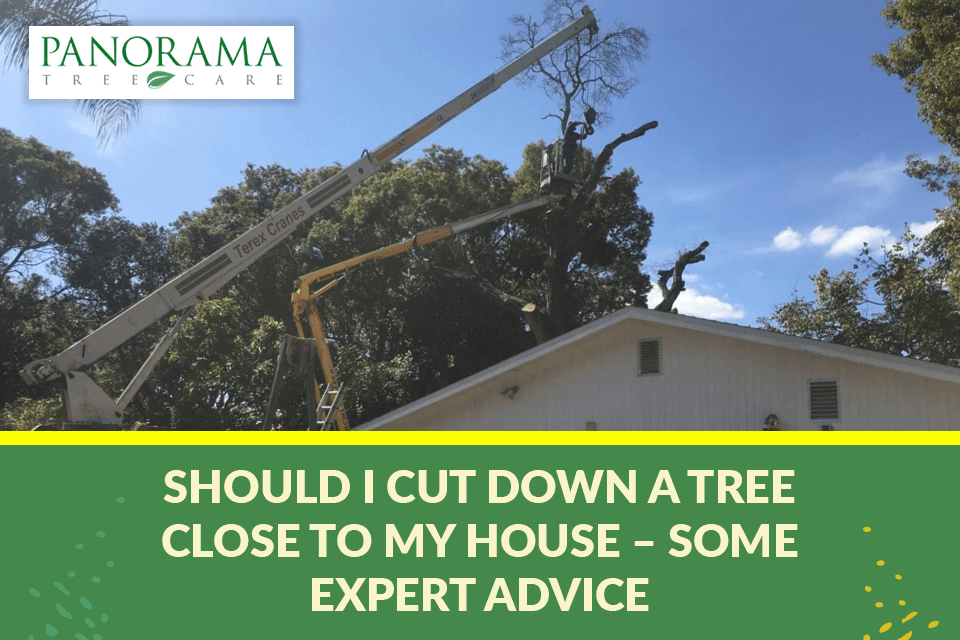
TL;DR: Around Florida, a tree usually starts getting “too close” to your house once the trunk is inside about 10 feet for small trees, 20 feet for medium, and 30 feet for big canopy trees. On our loose, sandy soils, roots run wide and shallow, so risk can show up sooner.
If the tree leans toward your house, has heavy limbs over the roof, roots lifting concrete, or any sign of decay or hollow wood, you’re past the guessing stage. Get a professional risk assessment from a certified tree removal in Florida specialist and decide if smart pruning, supports, root work, or full removal makes the most sense.
Key Takeaways: Trees Close to Florida Homes
- Safe distance rules: As a working rule, keep small trees 10+ ft, medium 20+ ft, and large trees 30+ ft from your foundation. On Florida’s shallow, sandy soils, some species can sit a bit closer safely, but others really should not.
- Main risks: The big problems from trees too close to a Florida home are foundation movement, storm damage from falling limbs or uprooted trees, gutters and drainage getting overwhelmed, sewer line intrusion, and a “pest bridge” straight into your attic or soffits.
- Risk signs: Tree leaning toward the house, soil cracking or slab lifting, big limbs hanging over bedrooms or driveways, dead branches stuck in the canopy, or soft, rotting wood at the base are all warning flags.
- Alternatives to removal: Good arborists don’t jump straight to the chainsaw. Crown reduction, root barriers, and cabling/bracing can cut risk while keeping the tree, especially when paired with regular, structural pruning.
- Local rules matter: Florida building setback rules, the Hillsborough County tree ordinance, and TECO utility clearance standards all affect what you’re allowed to do, whether you’ll need a permit, and how you can replant.
- Insurance angle: Your homeowner insurance tree clause usually expects “reasonable maintenance.” If a risky tree close to the house is obviously neglected, coverage can get messy after a storm.
- Costs go up near houses: Removing a tree over a roof or squeezed between structures in Florida can run 20–50% higher because of cranes, tight rigging, traffic control, and property protection.
- Best first step: Before you panic and cut, get an ISA Tree Risk Assessment. If you see cracking slabs or doors going out of square, add a foundation engineer assessment so you’re not guessing about structural damage.
Quick Definition: What Does “Tree Too Close to House” Mean?
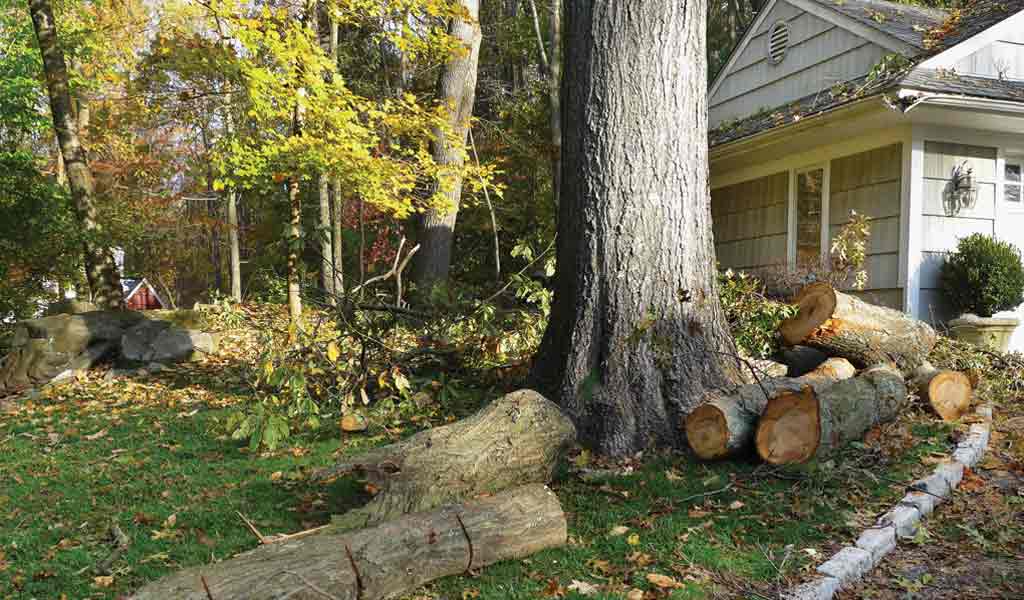
What is a tree too close to a house?
Around Florida, a tree is generally considered too close to a house when its trunk or root zone is close enough to threaten your foundation, roof, siding, or buried utilities, or when the canopy and roots are inside the usual safe planting distances for its mature size. In practical terms that often means:
- Small trees: Closer than ~10 ft from the foundation
- Medium trees: Closer than ~20 ft from the foundation
- Large trees: Closer than ~30 ft from the foundation
On Florida’s sandy, shallow soils, roots tend to stay in the upper foot or two and spread far beyond the canopy. So the bigger risks are usually surface heave, wind throw proximity, and root zone encroachment under slabs and utilities, not giant roots spearing straight through a thick slab.
When Is a Tree Too Close to Your House? (Distance Guidelines)
Distance is where most people start, and that’s fine as long as you don’t stop there. As a basic guideline, plan for small trees 10+ ft, medium trees 20+ ft, and large trees 30+ ft away from your foundation.
Around Florida, because the soil is loose and drains fast, some well-chosen species can sit a bit closer if they’re managed right, while thirsty, aggressive-rooted trees should sit even farther out.
Safe Tree Distance from a Florida Foundation
Every yard has its quirks. Age of the house, slab thickness, type of irrigation, and even your neighbor’s trees all affect what’s “safe.” Still, this table gives you a workable starting point for safe tree distance from foundation around Florida:
| Tree Size Category | Typical Mature Height | Minimum Distance from Foundation | Florida Sandy Soil Adjustment | Species-Specific Exceptions |
|---|---|---|---|---|
| Small tree | Up to ~20 ft | 10+ ft | Often safe at 8–10 ft with non-invasive roots | Crape myrtle, redbud, some ornamentals |
| Medium tree | 20–40 ft | 20+ ft | Sometimes 15–18 ft with good soil and root barriers | Magnolia, smaller live oaks, some palms |
| Large tree | 40+ ft | 30+ ft | 25+ ft only with professional design and monitoring | Live oak, laurel oak, large eucalyptus |
Think of those numbers as planning distances, not automatic death sentences for any tree already inside that range. A big live oak that’s 24 feet from your slab might be fine with smart pruning and root management.
But anything closer than the table shows deserves a risk assessment, especially if you’re already seeing cracked concrete, buckled pavers, or heavy overhang over shingles.
Understanding Root Zone Encroachment
This is where a lot of people underestimate the problem. Most roots never go very deep. They chase water and oxygen, which live right near the surface, especially in our sandy yards.
A rough rule of thumb is that roots run 1–2× the canopy radius, and sometimes farther when irrigation or septic systems are nearby.
- Root spread ratio: Around Florida, it’s not unusual for roots to reach 1.5–2× the canopy width in irrigated lawns, so a 30 ft wide canopy may have roots stretching 45–60 ft.
- Soil depth: Structural roots are often packed into the top 12–18 inches, right where sidewalks, pavers, and shallow slabs sit.
- Heave risk indicators: Look for soil ridges, pavers pushed up at odd angles, a “speed bump” effect in your lawn, or fence posts that suddenly lean away from the tree.
- Assessment methods: Good arborists may use an air spade or similar tools to blow soil off roots without hacking them up, so they can actually see what’s rubbing against your concrete.
Guessing where roots are based on where the trunk sits is how people get into trouble. A professional proximity assessment, like Panorama Tree Care’s proximity assessment service, maps root locations against your slab, driveway, and utilities.
Then you can decide if you just keep an eye on it, install a root barrier, or start planning for removal.
Canopy Overhang and Limb Drop Zones
Plenty of trees sit a “safe” distance away but still put your house squarely in the danger zone because of their canopy. The trunk may be 25 feet out. The limbs are not.
- Limb drop zone radius: As a rough idea, anything under the drip line is fair game, but branches can swing and fall 10–15+ ft outside the canopy if they snap in high winds.
- Storm trigger: Around Florida, we start seeing a lot more limb failures once winds hit the 40–60 mph range, especially right after heavy rains when the soil is loose.
- Branch diameter concern: Twigs aren’t the issue. Overhanging branches thicker than 2–3 inches can punch shingles, crack tiles, and bend gutters when they come down.
- Pruning clearance: A common target is to keep 6–10 ft between major limbs and your roof whenever there’s room. You won’t always hit that number, but the more clearance, the better.
For a solid tree with no major defects, a good crown reduction is often a smarter move than taking the whole tree out. You reduce the overhang, lighten the load, and still keep the shade that makes a Florida summer bearable.
5 Risks of Trees Too Close to Florida Homes
A tree too close to your house in this area can create several problems at once. In real jobs around Florida, we see the same five issues again and again: foundation movement, storm impact on the house, drainage headaches from clogged gutters, roots in sewer lines, and critters using branches to reach your roof. Insurance adjusters know it, and a lot of local tree-related claims fall into these buckets.
1. Foundation Damage from Roots
Most folks imagine a giant root punching a clean crack through the middle of their slab. That’s not usually how tree near foundation damage shows up here. On our soils, the trouble is more about surface heave and moisture swings than one monster root.
- Foundation heave from roots: Shallow roots lifting what they can, like sidewalks, thin patios, pool decks, and sometimes the slab edge if it’s underbuilt.
- Moisture imbalance: Big trees can pull moisture out of the soil unevenly, which can stress certain slab types and older foundations.
- Evidence: Spider-web cracks in concrete near the tree, driveway sections that suddenly tilt, porch steps settling on one side, or doors that start dragging on just one side of the house.
If you’re spotting those clues, don’t just blame age and ignore it. A foundation engineer assessment can tell you whether what you see is only cosmetic or if you’re starting to lose structural support, and whether the tree is part of the problem or just nearby.
Repair pricing around Florida is all over the map. Resetting a few rows of pavers might run a few hundred bucks. True structural fixes, underpinning, or major slab work tied to root activity can run into the thousands of dollars.
It’s a lot cheaper to understand the risk early than to wait until you’re calling a foundation repair crew.
2. Storm Limb Drop and Whole-Tree Failure
Our weather doesn’t play nice. Between tropical storms, hurricanes, and those daily summer storms that blow through like a freight train, overhanging branches near a house are never just a “cosmetic” issue.
- Limb impact: One heavy limb can tear through shingles, smash rafters, rip off gutters, or crush vehicles in the driveway during a single bad storm.
- Wind throw proximity: If a tree is tall enough to reach your house if it fell, and it’s closer than its own height, it’s in your wind throw proximity zone.
- Hidden defects: Rot inside the trunk, cracks along major limbs, and buried root damage prevention work from the past usually isn’t obvious from the ground.
An ISA Tree Risk Assessment takes the guesswork out. A trained arborist looks at lean, root plate movement, internal decay, past damage, and the tree’s structure.
They’ll give you a risk rating and concrete options: prune and cable, monitor annually, or take it down before the next big storm season rolls through.
3. Root vs Sewer Line Intrusion
Tree roots don’t break into perfect, solid pipes. They sniff out leaks. In Florida’s older neighborhoods, clay and cast iron lines often already have small gaps or cracks, and roots treat that like a buffet.
- Root intrusion signs: Drains that slow down over time, chronic clogs that come right back after snaking, gurgling toilets, or mysterious damp spots along the path of the sewer line.
- Risk factors: Trees sitting right over the lateral or within 5–10 ft of older sewer lines, especially where the lawn stays green even in dry spells.
- Repair costs: Around here, plumbers might charge a few hundred dollars for periodic root cutting, and $3,000–$8,000+ for trenching, replacing, or lining a damaged pipe run.
Pulling out a mature shade tree is rarely the first move just because of a sewer issue. Often, pipe repair or lining combined with strategic root pruning or a root barrier will solve it.
If the trunk is sitting at a decent distance from the house and the tree is otherwise healthy, it’s usually worth trying those options first.
4. Gutter Clogging & Water Damage
Any canopy that hangs over the roof is feeding your gutters a diet of leaves, twigs, seeds, and Spanish moss. In our downpours, that adds up fast.
- Gutter clogging: Debris chokes gutters and downspouts. Then, during a storm, water spills over the sides instead of heading down the drains.
- Water intrusion: Overflowing water soaks fascia boards, seeps behind siding, and can work its way toward the slab and crawl spaces.
- Debris volume: A big oak can drop literal hundreds of gallons of debris worth of leaf and twig material across a year, and a good chunk of that ends up in your gutters.
Most of the time this is a maintenance problem, not an automatic removal case. Gutter guards, scheduled cleanings, and a thoughtful crown reduction to get limbs off the roof can make a night-and-day difference in how often you’re dealing with water issues.
5. Pest Bridge to the House
Branches that touch your siding or hover right over the roof give pests a straight shot into your home. I see this all the time on attic and soffit inspections after tree work.
- Rodents: Roof rats and squirrels use overhanging branches as a freeway to vents, soffits, and small openings.
- Insects: Ants, roaches, and even termites enjoy shaded, moist branching points and can find easy access to wood and entry gaps.
- Wildlife: Raccoons and other climbers will use trees as launch pads for roofs, chimneys, and screened enclosures.
Keeping a few feet of clear airspace between your tree limbs and the house is one of the simplest and cheapest pest-control steps you can take. A basic pruning plan costs a lot less than rodent remediation and soffit repairs.
How to Assess Whether Your Tree Is a Threat
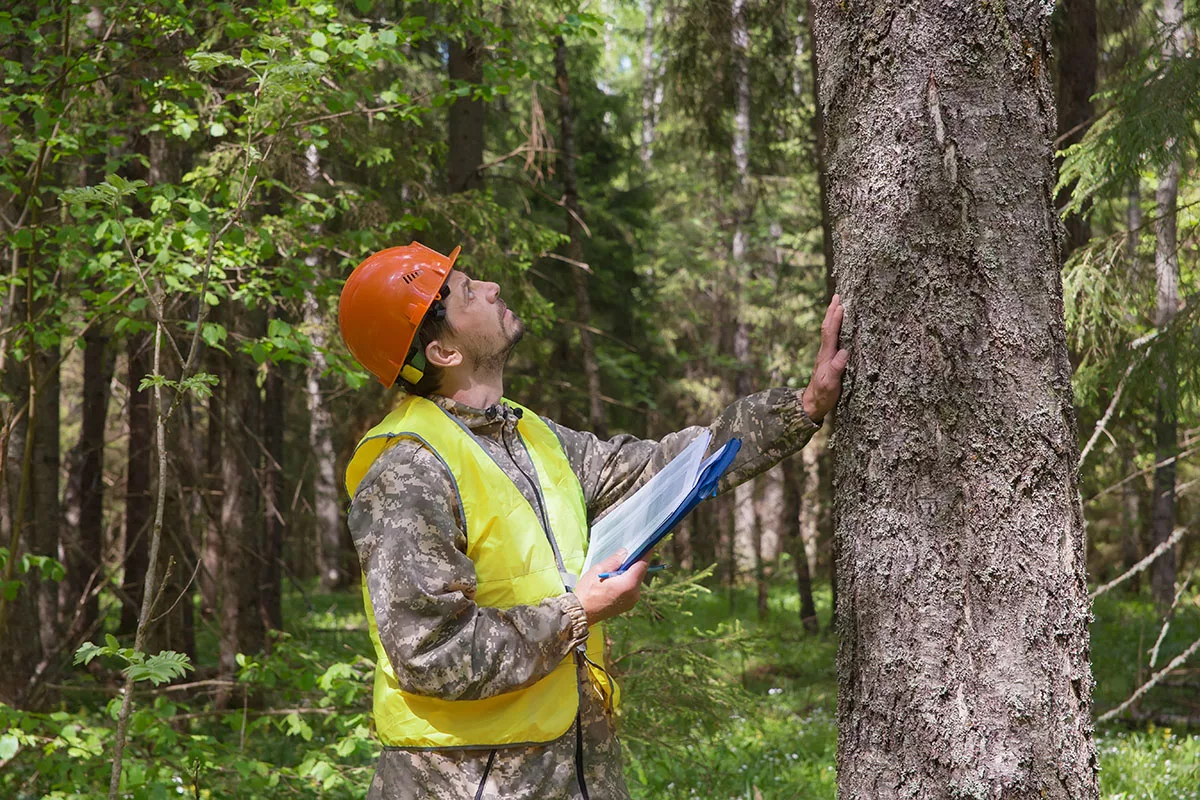
You don’t need a bucket truck to spot the main warning signs. A slow walk-around with a sharp eye can tell you a lot about lean, root heave, canopy overhang, and overall health.
Once you see more than one red flag, or the tree is tall enough to hit the house if it falls, that’s when a professional ISA Tree Risk Assessment and maybe a structural or foundation engineer assessment are worth every penny.
Step 1: Check Lean and Fall Direction
Back away until you can see the entire tree from the ground flare to the top. Change angles a couple of times, not just from your driveway.
- Neutral lean: A slight lean away from competing trees or toward daylight is normal and usually not a problem.
- Problem lean: A sudden or increasing lean, especially pointing toward the house or a driveway, is serious. If the lean seems worse after a storm, that’s urgent.
- Soil disturbance: On the side opposite the lean, look for cracked soil, lifted roots, or a gap opening between the roots and the ground. That often means the root plate is shifting.
Step 2: Inspect Roots and Root Flare
Get in close to where the trunk meets the ground. This is where a lot of people never look, and it tells you plenty.
- Root heave: Soil mounded up near the trunk, sidewalks lifting, retaining walls pushed out, or fence posts suddenly leaning can all be tied to active roots.
- Girdling roots: Big roots circling the trunk instead of running straight out can choke the tree and weaken it over time, especially in nursery-grown trees planted too deep.
- Decay or mushrooms: Fungal conks, soft wood, cavities, or chunks missing at the base are bad news. They often point to internal decay you can’t see.
Those signs often mean either increased heave risk or internal weakening of the trunk and roots. Both raise the odds of the tree failing in a Florida wind event.
Step 3: Evaluate Canopy Overhang and Limb Size
Now look straight up where branches cross the roofline, driveway, and major walkways.
- Estimate the overhang distance. How far do limbs reach past the gutters or driveway edge?
- Pick out individual branches over the house thicker than 2–3 inches; those are the ones that cause real damage.
- Scan for dead or hanging limbs that look gray, leafless, or broken. These “widowmakers” are dangerous even on calm days.
Branches brushing the roof or sitting within 6 ft usually need attention. A skilled pruning crew can handle that with a proper crown reduction instead of hacking or topping the tree.
Step 4: Identify the Species and Growth Habit
Species matters a lot more than most homeowners realize. Some trees are rock solid even when big. Others are notorious for decay or brittle wood once they hit middle age.
- Laurel oak: Very common around Florida. Grows fast, looks great for a while, then often develops internal decay around 30–40 years old. These worry a lot of insurers.
- Large live oaks: Strong-wooded and long-lived, but they can carry massive canopies and surface roots that chew up hardscapes if crowded.
- Some ficus and eucalyptus: Known for aggressive roots and limbs that can shed without much warning, especially when not managed properly near structures.
A certified arborist or a company like Panorama Tree Care can name the species and talk you through its usual root spread, canopy spread, and storm behavior. That knowledge makes your distance decisions a lot smarter.
Step 5: Decide When to Call in Professionals
There’s a point where guessing is more expensive than getting help. Bring in an ISA-certified arborist for a formal risk assessment if:
- The tree is taller than your house and sits within one tree-height of it.
- You see mushrooms, cavities, or obvious rot at the base or on main limbs.
- The tree has started leaning toward the house or the soil and roots look freshly disturbed.
- Large limbs (3″+ diameter) hang over bedrooms, main entries, parked vehicles, or power lines.
If you’re also seeing repeating wall cracks, floors that feel out of level, or doors and windows going out of alignment near that tree, add a foundation engineer to the mix so you know exactly what you’re dealing with.
Alternatives to Removal (Crown Reduction, Root Barrier, Cabling)
If you’re wondering, “should I remove tree near house?”, don’t assume that’s the only way forward. A lot of homeowners pull trees that could’ve been safely kept with the right combination of pruning, root work, and structural support.
Crown reduction, root barriers, and cabling/bracing can drop your risk level while keeping shade, privacy, and curb appeal intact. And they tend to sit better with the Hillsborough County tree ordinance than clear-cutting every tree near the house.
Crown Reduction: Managing Canopy Overhang
Crown reduction is a targeted pruning method where you shorten specific branches to reduce the tree’s height and spread, especially where it hangs over roofs, driveways, and play areas.
- Best for: Trees that are healthy overall but have canopies crowding the roof or pushing too close to structures.
- Benefits: Cuts down canopy overhang roof damage risk, lowers limb drop potential, reduces gutter loading, and lets more light and air reach the roof so it dries faster after storms.
- Typical Florida prices: Often $300–$900+ depending on tree size, access for equipment, and how technical the rigging needs to be.
What you don’t want is topping, where someone lops off the top and leaves big stubs. That weakens the tree and creates unsafe regrowth. Use companies that specifically mention proper crown reduction and show photos of good structural pruning work, not butchered trees.
Root Barriers: Protecting Foundations and Hardscapes
Root barriers are installed in the ground between the tree and whatever you’re trying to protect, like a slab, driveway, pool deck, or sewer line. They redirect roots down or sideways so they don’t keep marching toward your concrete.
- Best for: Small to medium trees that are worth saving and haven’t already wrapped their roots under your house or main utilities.
- Benefits: Cuts down root zone encroachment toward slabs and hardscapes, and can give you more peace of mind keeping a tree that’s a bit closer than ideal.
- Typical Florida prices: Often in the $800–$2,000+ range, depending on how many feet of barrier you need, how deep it has to go, and how tight the access is.
Poorly planned root barrier work can destabilize a tree by cutting too many major roots. That’s why the design should be tied to an ISA Tree Risk Assessment, so you know what roots are safe to intercept and which ones must stay for structural support.
Cabling and Bracing: Supporting Weak Structures
Cabling and bracing are ways to reinforce a tree that has structural issues but is still valuable. Steel cables or through-bolted rods help redistribute the load so weak junctions and heavy limbs are less likely to fail.
- Best for: Mature trees you really want to keep that show co-dominant stems, split-prone crotches, or heavy limbs leaning toward the house.
- Benefits: Helps prevent failure of vulnerable parts of the tree, especially limbs over the roof or traffic areas, and often extends the safe life of a beloved tree by many years.
- Typical Florida prices: Commonly $400–$1,500+, depending on how many cables are needed, how high they’re installed, and whether climbing or a bucket truck is required.
As a tree cabling alternative to removal, this works well when you already have a tree with high value for shade and property aesthetics but want extra insurance against storm breakage. Just remember these systems need periodic inspection and maintenance.
When Removal Is Still the Best Option
There are times where every trick in the book is just delaying the inevitable. In those cases, spending more money trying to “baby” a bad tree isn’t smart.
- The tree has advanced decay, large cavities, or has been rated high risk by an ISA arborist.
- Roots are already causing serious structural foundation problems, not just cosmetic cracking.
- The trunk or main canopy is sitting inside an unavoidable wind throw proximity to bedrooms, main entries, or critical parts of the house.
- The species is short-lived or fail-prone in our climate and is already too close to the home for comfort.
Taking a near-house tree down isn’t like dropping one in an open field. It means rigging sections away from the roof, often using cranes, and laying down plywood and tarps to protect landscaping and structures. It costs more and takes more planning, but sometimes it’s simply the safest long-term choice.
Florida Utility Setback Rules for Trees Near Houses
Trees too close to the house are one thing. Trees too close to power lines, service drops, and underground utilities add a whole new layer of risk and red tape.
Tampa Electric (TECO) and local codes set clearance standards that directly affect how you prune, what you can plant, and whether removal is on the table.
TECO Utility Clearance Basics
The rules around TECO utility clearance exist because high-voltage lines don’t forgive mistakes. Some key points:
- Power line minimum distance: Trees should be placed so their mature canopies stay at least 10 ft from primary distribution lines, and TECO may ask for more clearance for tall or fast-growing species.
- Service drop clearance: The smaller line from the pole to your house has different standards. TECO may allow closer trees, but they’ll still trim anything that threatens the line.
- Customer vs TECO responsibility: TECO handles line clearance pruning near main high-voltage lines. Trees along your service drop and on your property usually fall on you.
- Emergency contact: If any limb is touching or has fallen onto a power line, call TECO’s emergency or outage number. Do not try to cut or pull that limb yourself, no matter how tempting it looks.
- Trimming authority: Only TECO crews and their approved contractors are allowed to work within certain distances of energized lines. Most private tree crews will refuse that work until TECO makes things safe.
Before you schedule heavy tree work near visible power lines, talk to TECO. They may drop your service temporarily, coordinate safe access, or tell you what they’ll handle versus what you need a tree company to do.
Water, Sewer, and Underground Utilities
Below ground, the same idea applies. Roots and pipes don’t mix well, and digging blindly can get you in trouble fast. Florida and Hillsborough County encourage keeping deep-rooted trees a healthy distance away from:
- Water and sewer laterals: Ideally more than 10 ft away for medium and large species, especially where the lines are older.
- Septic systems: Trees and drain fields or tanks are a bad combination. Avoid planting medium or large trees over or right next to those systems.
Any time you’re digging for a new tree, a root barrier trench, or stump grinding close to utilities, call 811 first. They’ll come out and mark gas, electric, telecom, and water/sewer lines so you’re not guessing with a shovel or auger.
Florida Building Setback Rules and Tree Ordinances
Florida building setback rules and the Hillsborough County tree ordinance don’t just affect where you can build. They also matter for how you remove and replace trees near structures.
- They determine how close houses, patios, and other structures can be to property lines.
- They define what a protected tree is, which sizes and species need a permit for removal, and where “grand” trees sit in that mix.
- They may require planting replacement trees or paying mitigation fees if you remove certain trees.
These codes rarely spell out a single safe distance tree from house, but they do tell you where you’re allowed to replant after a removal and what hoops you’ll jump through. In tougher cases, it helps to work with an arborist who’s used to local paperwork and can help with permit applications and supporting documentation.
Who to Contact for Utility Location and Advice
- 811: Call before you dig so your underground utilities get marked for free.
- TECO: Call for issues near power lines or service drops, or before planning major work under or close to their lines.
- City of Tampa / Hillsborough County: Contact the relevant department for guidance on tree removal permits, protected trees, and property setback rules.
Common Mistakes Florida Homeowners Make (and How to Avoid Them)

Deciding whether to keep or remove a tree close to your house hits your wallet, your safety, and your home’s comfort. I’ve watched plenty of homeowners panic-cut the wrong tree or ignore the real hazard.
Here are the mistakes we see over and over, and how to stay out of those traps.
- Mistake 1: Focusing only on distance, not species and condition
People obsess over “Is it 18 feet or 22 feet away?” and ignore whether the tree is decay-prone, brittle, or invasive. A healthy live oak 5 feet closer than the chart might be less risky than a rotting laurel oak farther out.
Fix: Weigh species, age, health, and structure along with distance. A smaller, brittle tree over your bedroom can be far more dangerous than a large, well-structured oak that’s just inside the guidelines. - Mistake 2: Ignoring insurance tree clauses
Many folks never read their policy until after a storm. Some homeowner insurance policies have very clear language about reasonable maintenance and may cut back payouts if a dead or obviously hazardous tree has been ignored for years.
Fix: Look over your homeowner insurance tree clause, keep records of pruning and inspections, and hang on to written estimates and reports from arborists or engineers. That paper trail can save headaches later. - Mistake 3: DIY pruning near roofs and power lines
Climbing a ladder with a chainsaw and reaching over a roof or near lines is how people fall or get electrocuted. It also leads to bad cuts that create future hazards.
Fix: Hire insured pros for anything involving large branches, significant height, or utilities. Your ER bill or roof repair will cost more than a proper tree service visit. - Mistake 4: Removing the wrong tree
It’s common to see a homeowner remove the “ugly” tree that was actually structurally sound while leaving the higher-risk, decayed tree because it has more shade or looks nicer from the street.
Fix: Get a formal ISA Tree Risk Assessment for all major trees near the house. Have the arborist rank them by risk so you’re cutting the worst offender, not just the one you dislike. - Mistake 5: Underestimating near-house removal cost and complexity
People often budget based on what their neighbor paid to remove a tree out in the middle of a yard. Then they’re shocked when their quote is double because their tree is over the roof and wedged between fences.
Fix: Expect that trees over or very close to structures will cost more. Get multiple written quotes and ask specifically about added complexity surcharge, crane conditions, and protection measures. Understand your local tree removal cost patterns before you commit. - Mistake 6: Not considering the shade benefit vs risk
A mature shade tree can cut your AC bill and keep your home more comfortable than any awning. Pulling it without a plan often means higher cooling costs and harsher exposure to sun and wind.
Fix: Put numbers on the long-term energy savings, comfort, and resale value a tree brings. If risk can be reduced with pruning, cabling, or root work, that balance is often better than clear-cutting every tree near the house.
FAQ: Trees Too Close to Houses in Florida
Here are straight answers to questions homeowners ask most about tree proximity, rules, and insurance so you can make a cleaner decision about that tree near your house.
Does homeowner insurance cover damage from a tree near my house?
Most policies will cover sudden, accidental damage from a falling tree or limb, but your homeowner insurance tree clause can change how that plays out. If the tree was clearly dead, rotting, or marked as hazardous and no one touched it, the insurer may push back. They expect reasonable maintenance, which usually means periodic pruning and, for big near-house trees, occasional professional assessments.
What if my neighbor’s tree is too close to my house?
If a neighbor’s tree looks like a real threat to your home, document it calmly. Take dated photos, write down what you’ve observed, and send a respectful letter or email outlining your concerns. Getting an ISA arborist’s written opinion helps. In many cases, you’re allowed to prune branches that cross your property line, as long as you don’t damage the tree or violate local rules. Removing the trunk itself usually needs the neighbor’s agreement and sometimes permits, so for serious disputes, talk to a local attorney.
Do I need a permit to remove a tree near my house in Florida?
Under the Hillsborough County tree ordinance and City of Tampa rules, certain trees by size or species are protected and need a permit for removal, even if they’re close to your house. If a certified arborist or engineer can document that a tree is a hazard to a habitable structure, the permit process can move faster, but you still have to follow it. Always check with the city or county before cutting down big trees.
Contact Panorama Tree Care in Florida for a free assessment and estimate.
How much does tree removal near a house typically cost in Florida?
Tree removal near house cost around Florida often runs in the $500–$2,500+ per tree range. Trees over roofs, jammed between structures, or requiring cranes and complex rigging can cost significantly more because of added complexity surcharges of 20–50% and the extra labor and equipment involved. For a deeper breakdown see:
What does an ISA Tree Risk Assessment include?
An ISA Tree Risk Assessment is a structured checkup. The arborist looks at health, structure, root system, and what the tree could hit if it fails. They check for decay, cracks, weak branch unions, root plate stability, species-specific problems, and nearby “targets” like your house or power line. You end up with a risk rating and plain-language recommendations like “monitor,” “prune,” “cable,” or “remove.”
How close can I plant a new tree to my Florida home?
For new planting, aim for small trees 10+ ft, medium 20+ ft, and large 30+ ft from the foundation. Plan based on the mature canopy spread and root spread ratio, not how cute and small the sapling looks now. Check where utilities, driveways, and patios sit, and line things up with Florida building setback rules so you don’t create a new headache down the road.
Can tree roots really crack my foundation slab?
On Florida’s sandy soils, tree roots are more likely to cause surface heave of things like patios, walkways, and pool decks than to split a solid, well-built slab clean in half. But roots and moisture changes can exacerbate existing weaknesses and contribute to uneven support around the edges. If you’re concerned, a foundation engineer assessment is the cleanest way to know how high your risk really is.
Is trimming enough, or should I cut the tree down completely?
Trimming is usually enough when the tree is structurally sound and just has too close in the canopy issues like heavy overhang or branches touching the roof. If an ISA assessment finds serious decay, clear instability, or major root and foundation conflict, then removal may be the safer move. Balancing the shade benefit vs risk with professional input helps you avoid both overreacting and underestimating danger.
Final Summary: Should You Cut Down That Tree Close to Your Florida House?
Deciding whether to cut down a tree close to your house in Florida isn’t just about a tape measure. You’re weighing distance, species, structural condition, root impact, and how exposed your home is to storms and utilities.
Those rough guidelines of small trees at 10+ ft, medium at 20+ ft, and large at 30+ ft from the foundation are a good starting map, but house design, soil conditions, and the specific tree species all matter a lot.
Before you commit to taking a tree out, make sure you’ve:
- Scheduled an ISA Tree Risk Assessment so you know the real structural risk instead of guessing.
- Considered a foundation engineer assessment if you see cracking, sloping, or sticking doors near the tree.
- Looked at options like crown reduction, root barriers, and cabling, which are often cheaper in the long run and better for your property value than clearing every tree near the house.
If you’re weighing the pros and cons of taking out trees more generally, visit:
And if root damage is your main worry.
When you’re ready to dial in your near-house removal pricing and understand what drives those costs, read:
For most homeowners, the smartest path is simple. Assess first, cut second. Only remove a near-house tree once you’re sure its risks clearly outweigh the shade, beauty, comfort, and resale value it brings to your property.

One Response
It’s good to know that dying trees will attract pests. My sister was at my house yesterday afternoon for lunch, and she talked about how the tree in her front yard seems to be dying, so she was wondering if getting rid of it would be a good idea. I’ll pass this information along to her so she can know the importance of removing a dead tree.