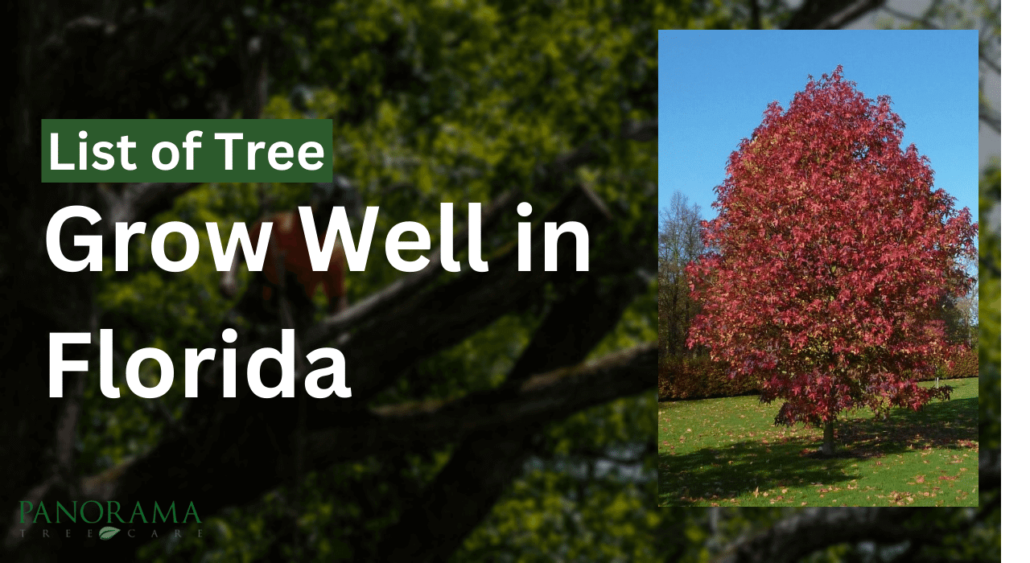
TL;DR: The trees that truly grow well in Florida’s USDA zones 9b–10a are the ones that shrug off heat, humidity, sandy soil, summer deluges, and the occasional chilly night. Live Oak, Southern Magnolia, Bald Cypress, Crape Myrtle, Japanese Blueberry, and carefully chosen fruit trees will treat you right if you match them to your yard, your goals, and your tolerance for maintenance.
Key Takeaways: Trees That Thrive in Florida
- Florida’s subtropical climate (zones 9b–10a) favors heat‑loving, storm‑tough trees that handle sandy soil, summer downpours, and spring dry spells without constant babying.
- Live Oak, Southern Magnolia, and Bald Cypress are the backbone long‑term shade trees here, with excellent hurricane performance when they’re planted right and pruned correctly.
- Crape Myrtle, Drake Elm, Slash Pine, and Bald Cypress are among the best fast‑growing trees once you dial in the right fertilizer for Florida trees, but they need smart structural pruning so they don’t become liabilities in big storms.
- For tight urban lots, compact species like Japanese Blueberry, Hong Kong Orchid, Simpson’s Stopper, Walter’s Viburnum, and Tabletop Magnolia give you structure and privacy without swallowing the whole yard.
- Fruit trees that generally perform well include mango, avocado, loquat, fig, and carefully selected citrus. Citrus greening disease is still a serious problem across Florida, so citrus should be part of a mix, not the whole plan.
- Skip invasive or headache‑prone trees such as Brazilian Pepper, Melaleuca, Camphor, Australian Pine, and Norfolk Island Pine. They either spread where they shouldn’t or fail badly in storms.
- The “right” tree depends on lot size, root system, sun exposure, salt and drought tolerance, and hurricane wind resistance, not just what looks good in a nursery pot.
- A Panorama Tree Care planting consultation can help you dial in species, placement, and long‑term care so your yard looks good and stays safe for decades.
What Do We Mean by “Trees That Grow Well in Florida”?
What is a tree that grows well in Florida? In practical terms, it’s a tree species that checks all of these boxes:
- Is naturally suited to USDA zones 9b–10a, which covers Florida’s mix of mild winters and intense summers.
- Handles heat, humidity, sandy soils, and heavy summer rain without constant irrigation or chemical crutches.
- Has at least moderate drought tolerance once established, since late winter and spring can be surprisingly dry here.
- Offers acceptable hurricane wind resistance and has roots that don’t routinely crack driveways and lift pool decks.
- Is recommended or supported by the UF IFAS Extension and Florida-Friendly Landscaping program where possible, so you’re not experimenting with problem species.
Florida Climate for Tree Growing (Zone 9b–10a Guide)
Florida sits in that tricky subtropical band where trees deal with scorching summers, high humidity, and sudden downpours, then flip to mild, occasionally chilly winters. Most yards have fast‑draining, nutrient‑poor sandy soils, over 50 inches of rain a year, and, closer to the bay or Gulf, a steady diet of salt air and gusty winds.
If you want the best trees for a Florida yard in Florida, you start by matching the species to this specific climate. Get that wrong and you spend years fighting bugs, fungus, and storm damage. Get it right and your trees more or less handle themselves once established. Learn more about transplanting new trees.
Key Florida Planting Conditions (EAV Overview)
The table below gives you a quick reference for what your trees are up against in a typical Florida yard. Use it as a baseline when you’re checking plant tags or UF IFAS fact sheets.
| Attribute | Typical Value (Florida) |
|---|---|
| USDA zone | 9b–10a |
| Soil type | Predominantly sandy, often low in organic matter |
| Annual rainfall | 50–55 inches per year (summer rainy season) |
| Average summer high | 90–92°F |
| Average winter low | 40–50°F (occasional dips to mid‑30s) |
| Frost days per year | 0–5 days (depending on location and microclimate) |
Closer to the Bay and Gulf, you also have to factor in a couple of extra stressors that kill borderline species fast:
- Salt tolerance for trees planted near shorelines, seawalls, or exposed waterfront pools.
- Hurricane wind resistance because this area sees tropical storms often enough that weak‑wooded trees don’t age well.
- Drought tolerance so trees can cruise through the March–May dry stretch without constant irrigation.
The UF IFAS Extension and the Florida-Friendly Landscaping program both push the same idea seasoned arborists use every day: plant species that are already proven in this climate and stay away from invasives and problem trees. For a deeper dive into native species specifically, see this guide: .
Best Shade Trees for Florida (Large Canopy Species)
The best shade trees for Florida are the ones that cast a wide, reliable canopy, have strong branching, and stand up to big wind events. On real properties, Live Oak, Southern Magnolia, Bald Cypress, and Red Maple are the dependable workhorses you see thriving decade after decade.
Below you’ll find the main large canopy species worth considering, plus how tall they really get, how quickly they grow, and what to watch for in Florida’s soils and storm patterns.
Live Oak (Quercus virginiana)
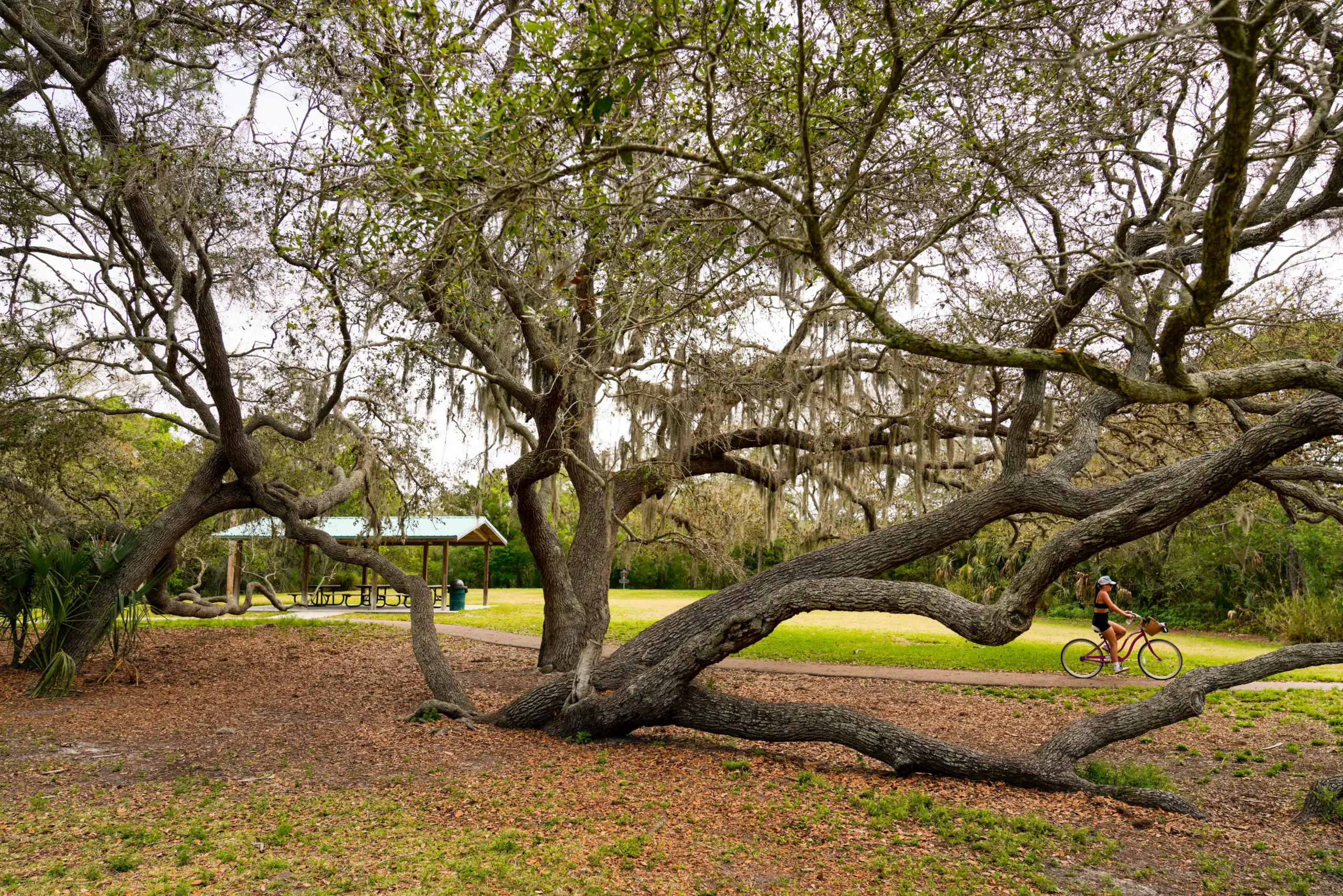
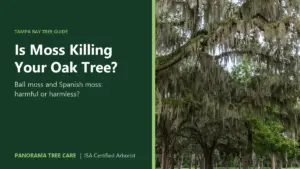
Live Oak is the big dog of Southern shade trees. If you picture a massive sprawling tree with Spanish moss dripping from the branches, that’s usually a Live Oak. On larger properties, it’s one of the best shade trees in Florida if you plan for its eventual size instead of treating it like a small ornamental.
| Attribute | Live Oak (Florida Planting) |
|---|---|
| Mature height | 50–80 feet |
| Canopy spread | 60–100 feet |
| Growth rate | 12–24 inches per year (medium) when young |
| Root invasiveness | Moderate (wide‑spreading, strong structural roots) |
| Wind resistance | Excellent when properly pruned and maintained |
| Florida soil suitability | Excellent in sandy soils with good drainage |
Benefits:
- in Florida’s mild winters, it behaves evergreen to semi‑evergreen, so you get consistent shade almost year‑round.
- Among the best for hurricane wind resistance as long as the tree has a strong central structure and hasn’t been hacked up by bad pruning.
- Huge wildlife habitat value. Oaks support loads of insects, which means food for birds, plus shelter for squirrels and other critters.
Considerations for yards:
- Live Oaks need a large lot. On tight city lots they become a problem tree. Keep them well away from homes, pools, driveways, and septic systems.
- Expect steady leaf and acorn litter. Near pools or screen enclosures, that can mean a lot of skimming and gutter cleaning.
- Use a good non‑invasive root placement strategy and give it a healthy setback, often 20–30 feet from structures. For more on root risks.
Southern Magnolia (Magnolia grandiflora)
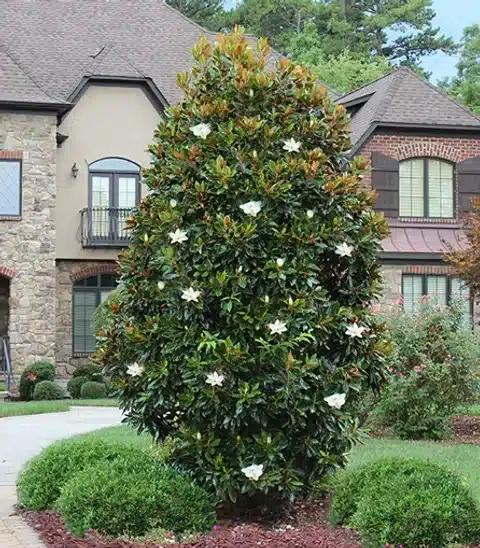
Southern Magnolia is that tall, stately evergreen with shiny dark leaves and big white blooms that smell like summer in the South. It’s a strong candidate on almost any decent‑sized lot and a solid pick for high‑end native Florida trees for landscaping projects.
- Mature height: 40–70 feet (dwarf cultivars stay much smaller).
- Canopy spread: 30–40 feet, usually with a naturally pyramidal form.
- Growth rate: Slow to medium (about 8–18 inches a year once it settles in).
- Evergreen vs deciduous: Evergreen.
Florida‑specific notes:
- Handles heat and humidity quite well, especially if you give it well‑drained sandy soil with some compost or mulch to boost organic matter.
- Shows decent drought tolerance once established, but young trees appreciate regular watering the first couple of dry seasons.
- The leaves are thick and leathery and they break down slowly, so don’t plant one directly over a pool or a tiny courtyard if you hate sweeping.
Pro tip: On smaller city lots, skip the full‑size species and choose compact cultivars like ‘Little Gem’ or ‘Teddy Bear’. Or go straight to Tabletop Magnolia if you want a true small‑scale tree form that still gives you that Magnolia look.
Red Maple (Acer rubrum)

Red Maple is what folks plant when they miss a bit of fall color from up north. You won’t get New England foliage, but in Florida you can still see some red and orange tones, which makes it stand out among all the evergreens.
- Mature height: 40–60 feet.
- Canopy spread: 25–40 feet.
- Growth rate: Medium to fast, especially with consistent moisture.
- Evergreen vs deciduous: Deciduous, so it drops leaves and lets winter sun warm the house.
Best use in Florida:
- Prefers moister sites. It does well near ponds or swales that get wet in the rainy season but don’t stand in water for weeks.
- Doesn’t like salt much, so avoid exposed coastal locations and direct salt spray.
- Has moderate wind resistance. You’ll want regular, proper structural pruning while the tree is young so it grows a strong frame.
Bald Cypress (Taxodium distichum)
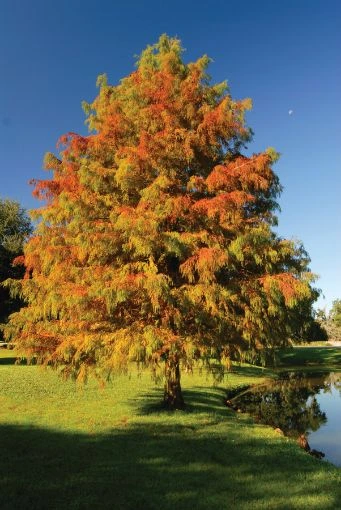
Bald Cypress is a Florida native that people associate with swamps, but it actually handles a wide range of conditions. In Florida, it shines in low, seasonally wet spots where other trees sulk or die, and it still performs nicely in average sandy yard soil if it isn’t bone dry all the time.
- Mature height: 50–70 feet.
- Canopy spread: 25–35 feet, usually more upright and columnar than a Live Oak.
- Growth rate: Medium to fast with decent moisture.
- Evergreen vs deciduous: Deciduous conifer. Feathery needles turn russet and drop in winter.
Florida‑Bay advantages:
- Known for excellent storm resilience. The wood is strong, and well‑grown trees hold up better than many fast growers.
- Thrives in sandy soils that get periodically wet, so it’s perfect for problem corners where water lingers after storms.
- Creates strong wildlife habitat and works well in more natural or lakeside landscapes.
If you’re leaning toward native shade options, pair this guide with: .
Best Fast-Growing Trees for Florida
Most homeowners ask about fast-growing trees in Florida because they want shade or privacy yesterday. Speed is nice, but there’s always a tradeoff. Very fast growers often have weaker wood, more breakage, and sometimes pushy roots, which matters a lot in Florida’s storm belt.
Here are solid fast‑growing choices that I’ve seen hold up reasonably well, along with what you need to keep an eye on so they age safely.
- Crape Myrtle (Lagerstroemia indica & hybrids)
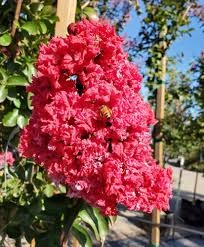
Use: Small shade, flowering accent, and street trees along sidewalks or medians.
Growth rate: Fast when young, especially with decent irrigation and sun.
Mature height: 15–30 feet, with many dwarf and intermediate forms available.
Flowering season: Late spring into summer, often May through September in Florida.
Wind resistance: Good in both single and multi‑trunk forms as long as they’re pruned with structure in mind instead of chopped flat every year.
Maintenance level: Low. They just need light annual pruning. Avoid “Crape Murder,” where the top is hacked off, which weakens the tree and ruins its form. - Drake Elm (Ulmus parvifolia ‘Drake’)
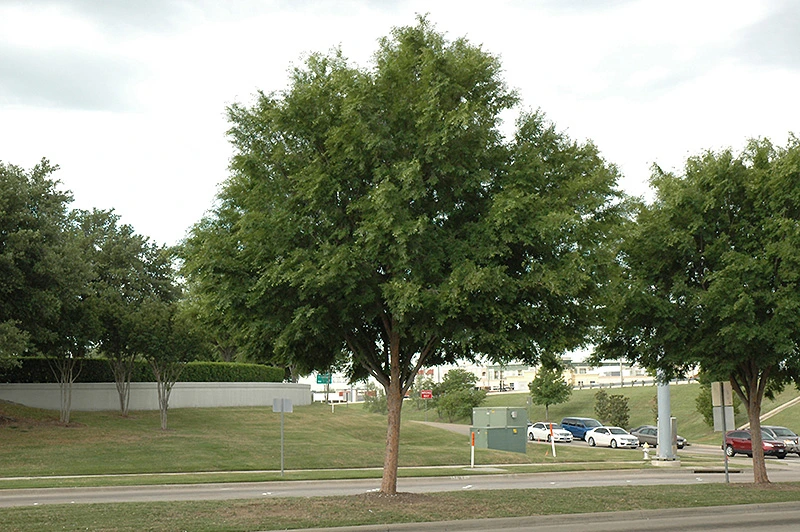
Use: Fast shade in yards, parking lots, and along streets where quick canopy is needed.
Growth rate: Fast. You can go from sapling to meaningful shade in a handful of years with reasonable care.
Mature height: 30–40 feet under typical Florida conditions.
Notes: Attractive exfoliating bark gives it winter interest. Handles moderate drought once established but needs early structural pruning so it doesn’t develop weak crotches or co‑dominant stems. - Bald Cypress
Use: Quick‑establishing shade and a strong vertical accent near ponds or in damp zones.
Growth rate: Medium–fast in Florida with enough water, especially in its first few years.
Bonus: Offers far better storm performance than many other quick‑growers, so it’s a good compromise between speed and strength. - Slash Pine (Pinus elliottii)
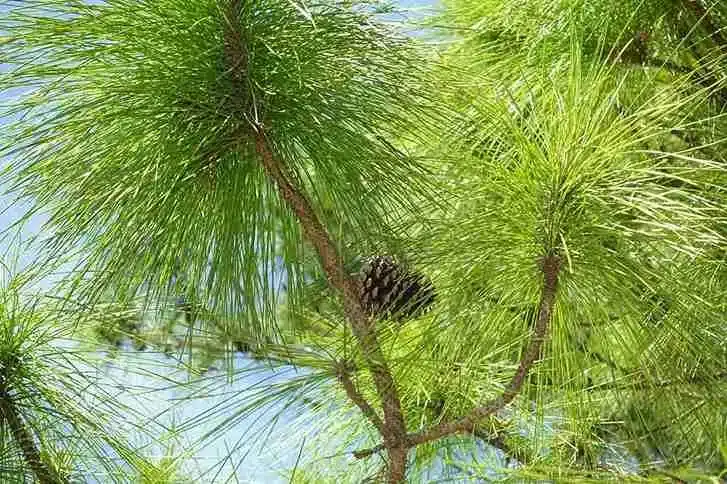
Use: Tall screening, windbreaks, and adding a classic pine look to the landscape.
Growth rate: Fast while young, then slowing as it matures.
Mature height: 60–80 feet, which surprises some folks who plant them too close to structures.
Considerations: Has relatively shallow roots in loose sandy soils and drops dry needles that are combustible. Keep it back from homes, sheds, and power lines to reduce fire and storm hazards. - Royal Poinciana (Delonix regia)
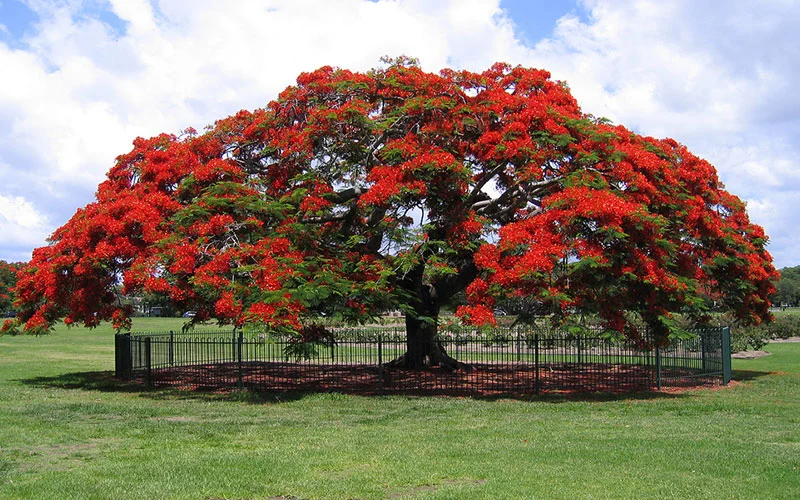
Use: Showstopper flowering shade tree with huge orange‑red blooms that turn heads in summer.
Growth rate: Fast under warm, protected Florida conditions.
Mature height: About 30–40 feet with a wide, spreading canopy.
Caution: Can be structurally weak in storms. Works best in protected interior courtyards or sheltered microclimates, not on open waterfronts or windy corners.
Expert insight: In hurricane‑prone Florida, a smart strategy is to mix a few fast‑growing trees for quick comfort with slower, stronger anchors like Live Oak and Southern Magnolia. Plant them together early. The quick trees get you shade now, while the slower ones quietly build the long‑term canopy that will still be there after the next big storm cycle.
Crape Myrtle EAV Snapshot (Florida Planting)
Crape Myrtle is one of the few small trees that checks a lot of boxes for yards: color, manageable size, and decent storm performance. Here’s how it typically behaves locally.
| Attribute | Crape Myrtle (Typical in Florida) |
|---|---|
| Mature height | 10–30 feet (varies by cultivar) |
| Growth rate | Fast when young |
| Flower season | Approximately May–September |
| Maintenance level | Low (light annual pruning only) |
| Wind resistance | Good with proper structure |
| Pruning requirement | Minimal; avoid topping (over‑pruned commonly) |
Best Small Trees for Florida Yards and Tight Lots
In Tampa, Seminole Heights, and older neighborhoods, small lots and overhead wires can make big canopies a liability. The best trees for Florida yards in these tight spaces are compact, well‑behaved, and don’t send roots hunting under your slab.
Here are top small trees in the 15–25 foot range that thrive in Florida without eating the whole property or tangling with utilities.
Japanese Blueberry (Elaeocarpus decipiens)
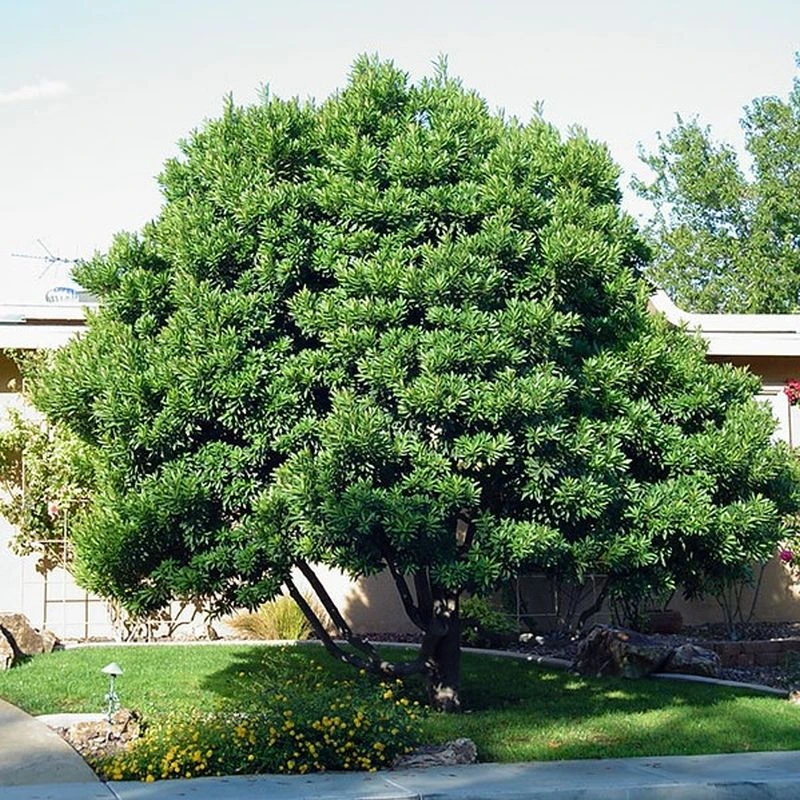
Japanese Blueberry shows up all over newer Florida developments for a reason. It’s evergreen, neat‑looking, and fits where bigger shade trees don’t. It can be grown as a single‑trunk tree or a tall screen, depending on how you prune it.
- Mature height: 20–30 feet, though you can keep it lower with regular, careful pruning.
- Spread: Around 10–15 feet.
- Form: Upright, columnar to oval, which makes it great along side yards and property lines.
- Evergreen: Yes, with dense foliage for year‑round screening.
Pros for Florida:
- Tolerates heat and full sun well, and still performs in light shade, though it may get a bit more open.
- Less messy than most fruiting trees. The small berries are usually not a big cleanup issue for most homeowners.
- Excellent for narrow privacy screens where you need height but don’t have much width to work with.
Hong Kong Orchid Tree (Bauhinia x blakeana)
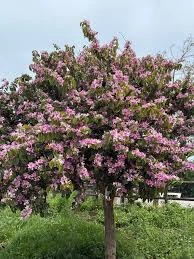
Hong Kong Orchid Tree is for folks who want a focal point that really shows off. The flowers look almost like orchids and put on a heavy display when the rest of the yard is fairly quiet.
- Mature height: 15–25 feet.
- Spread: 15–20 feet with a broad, rounded crown.
- Flowering season: Often fall through winter in Florida, with striking pink‑purple blooms.
Considerations:
- Performs best in well‑drained sandy soil and appreciates regular irrigation while young. Once established, it’s somewhat more forgiving.
- Not very salt tolerant, so avoid direct coastal exposure or spots where salt spray regularly hits the foliage.
- Has moderate wind resistance. In very exposed locations it can suffer branch damage, so tuck it into somewhat protected pockets when you can.
Simpson’s Stopper (Myrcianthes fragrans)
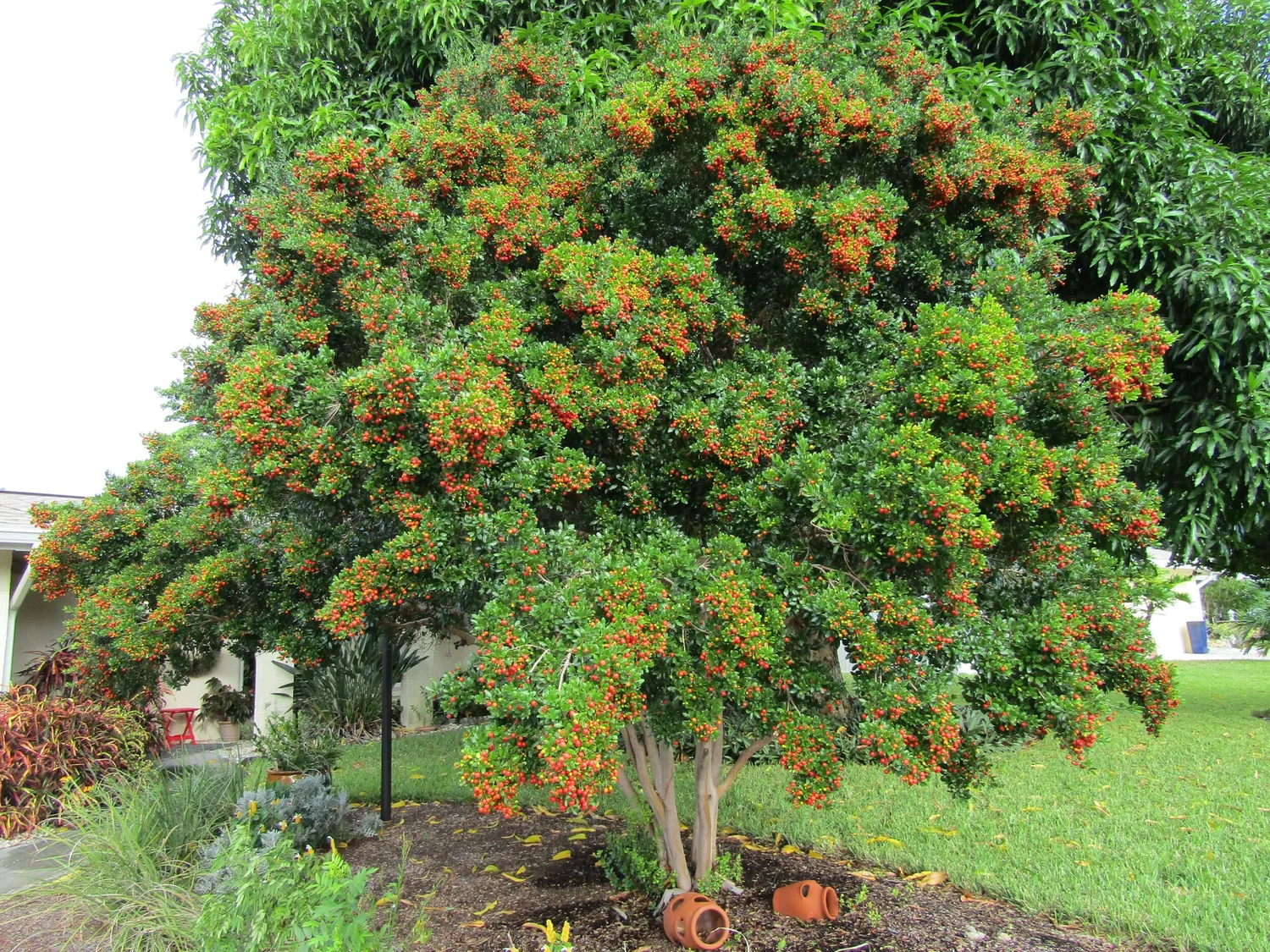
Simpson’s Stopper is a Florida native that works as a shrub or small tree and is a standout choice for truly Florida-Friendly Landscaping. It gives you privacy, flowers, and wildlife support without constant fuss.
- Mature height: 10–20 feet if left as a natural small tree, but it can be clipped as a lower hedge.
- Spread: 8–15 feet, forming a dense screen.
- Evergreen: Yes, with attractive foliage that reads clean and tidy.
Benefits:
- Excellent salt tolerance, which makes it a reliable pick for coastal properties and near seawalls.
- Produces small white flowers followed by colorful red to orange berries that birds love. Very high wildlife value for a compact plant.
- Low maintenance once established, with solid drought tolerance and minimal pruning needs.
Walter’s Viburnum (Viburnum obovatum)
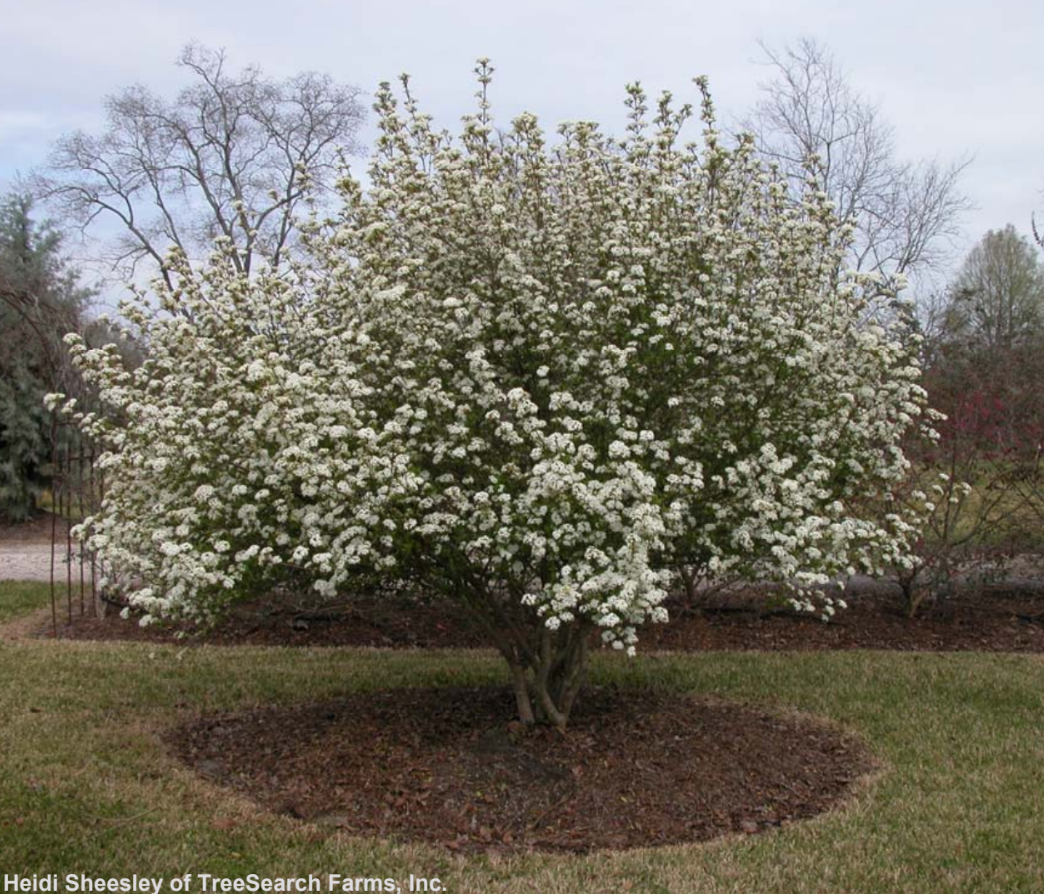
Walter’s Viburnum is another Florida native you can either keep low as a hedge or train into a multi‑trunk tree. Well-managed, it creates a dense living fence that’s far more attractive than a standard wood panel.
- Mature height: 10–20 feet in tree form, less if kept as a clipped hedge.
- Evergreen: Yes, with small leaves and a dense branching pattern.
Why it works in Florida:
- Tolerates sandy soils and periodic drought common in inland neighborhoods.
- Draws pollinators to its blooms and offers shelter for birds, so it’s a good wildlife support plant.
- Ideal for privacy screens alongside fences or property lines where bigger trees would be overkill or conflict with utilities.
Tabletop Magnolia (dwarf Magnolia grandiflora varieties)
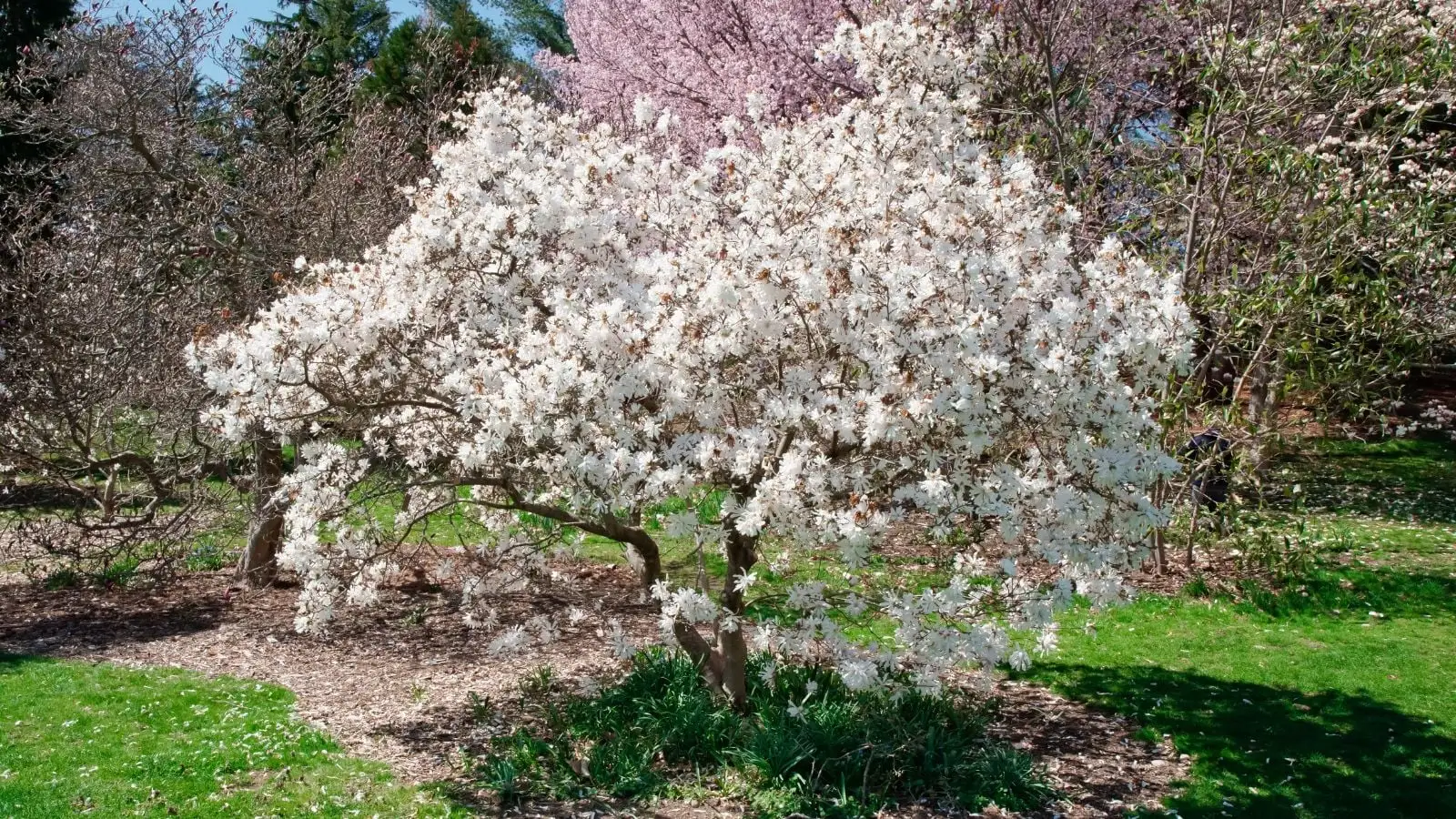
Tabletop Magnolia is basically a scaled‑down Southern Magnolia, bred for tight landscapes. It gives you glossy evergreen leaves and fragrant blooms without towering over your roofline.
- Mature height: Typically around 8–12 feet.
- Spread: About 6–10 feet.
- Evergreen: Yes, so it works well near entries and patios where year‑round greenery matters.
Florida applications:
- Excellent for tight front yards, small courtyards, and plantings under power lines where full‑size Magnolias are out of the question.
- Produces less leaf litter and is easier to maintain than the standard forms, so it suits low‑maintenance landscapes.
- Pairs nicely with Japanese Blueberry or Crape Myrtle in layered planting designs where you want varied heights without crowded roots.
For a broader overview of compact native species.
Best Fruit Trees for Florida Homeowners
Plenty of Florida homeowners want to walk outside and pick breakfast off a tree. In our climate, you can blend citrus, tropicals, and some temperate fruit if you pick varieties that match your microclimate and understand the disease issues that come with them.
The UF IFAS Extension stays up to date on what’s working and what’s struggling in different parts of Florida. Before you invest in a specific fruit variety, check their latest fact sheets or county recommendations.
Citrus (with Cold and Disease Considerations)
Citrus used to be the automatic first choice, but citrus greening disease (Huanglongbing) has changed that picture statewide. I’ve seen many homeowners nurse along struggling citrus for years only to lose them anyway.
- Suitability: You can still grow citrus in Florida, but plan on higher maintenance, more pest monitoring, and a shorter average life expectancy than in the past.
- Cold protection: Young trees in particular need frost cloth or other cover during rare hard freezes when temps dip into or below the mid‑30s°F.
- UF IFAS recommended: Look for UF IFAS‑recommended varieties and disease‑tolerant rootstocks whenever they’re available through reputable nurseries.
Tip: Treat citrus as part of a broader fruit mix. Plant a few trees you really enjoy, then round out the yard with more forgiving species like loquat, fig, or mango so you’re not putting all your effort into one vulnerable crop.
Mango
Mango performs very well in the warmer pockets of Florida, especially in zone 10a microclimates closer to the water or in protected urban areas. Get the right variety and you can have a heavy crop on a relatively small tree.
- Mature height: 15–30+ feet depending on cultivar and how aggressively you prune.
- Cold sensitivity: Young trees are tender below about 30–32°F. Keep them away from low frost pockets and consider temporary covers on borderline nights.
- Soil: Needs well‑drained sandy soil. Roots do not like standing water or chronically wet spots.
Avocado
Avocado is another crowd favorite. Different groups of varieties offer different cold tolerance and fruiting seasons, so variety choice matters more than many people think.
- Mature height: Typically 20–40 feet for standard trees.
- Cold tolerance: Varies by type. Some hybrids handle brief dips into the upper 20s°F, others are more tender and should stick to warmer microclimates.
- Maintenance: Needs excellent drainage. Over‑watering or poor drainage is one of the fastest routes to root disease and decline.
Loquat (Eriobotrya japonica)
Loquat is one of the most dependable low maintenance trees in Florida for folks who actually want to harvest edible fruit without a full‑time hobby.
- Mature height: Around 15–25 feet, so it behaves more like a small ornamental tree than a giant orchard specimen.
- Evergreen: Yes, with large, textured leaves that add visual interest year‑round.
- Benefits: Fragrant blooms followed by clusters of sweet, tangy fruit in late winter or early spring. Perfect for small yards where you still want good production.
Fig (Ficus carica)
Common fig can do quite well in the right corner of a yard, especially with some wind protection and good drainage. When it’s happy, it can pump out serious crops.
- Mature height: About 10–20 feet. Often multi‑stemmed with a spreading habit.
- Cold tolerance: In harder freezes it may die back, but in many cases it resprouts from the base and keeps going.
- Root system: Roots can be vigorous and explore far. Keep figs away from foundations, driveways, and septic fields.
Expert insight: When you design a fruiting landscape, do more than chase flavor. Balance fruit production, root system behavior, and hurricane wind resistance. In tight yards, even delicious fruit trees with aggressive roots can cost you in cracked pavers and clogged lines. For guidance on protecting hardscapes, read: .
Trees to Avoid Planting in Florida (Invasive & Problem Species)
Some trees cause more trouble than they’re worth. They either spread where they shouldn’t, snap in storms, or tear up infrastructure. Skipping these is just as important as finding the best trees for Florida yards.
Here are the main species Florida homeowners should leave off their shopping lists.
- Brazilian Pepper (Schinus terebinthifolia)
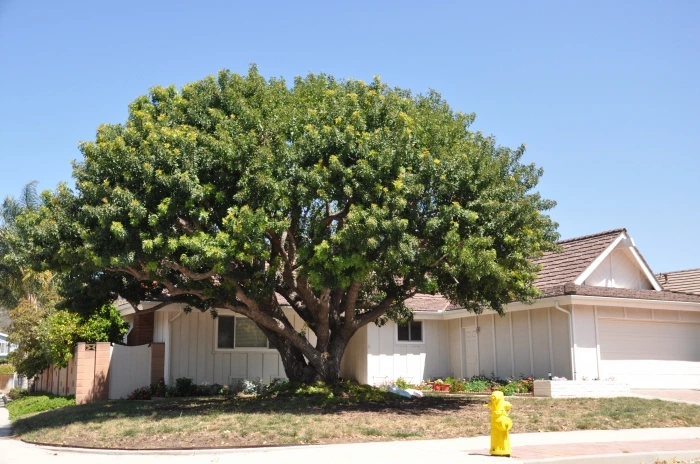
Issue: Highly invasive and aggressive, crowding out native vegetation and forming dense thickets that are hard to remove.
FLEPPC category: Category I invasive. - Melaleuca (Melaleuca quinquenervia)
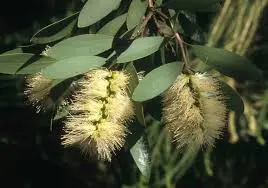
Issue: Well‑known invasive species with notorious invasive tree roots that choke wetlands and changes hydrology. It was once used in landscaping and now costs millions to manage.
FLEPPC category: Category I invasive. - Camphor Tree (Cinnamomum camphora)
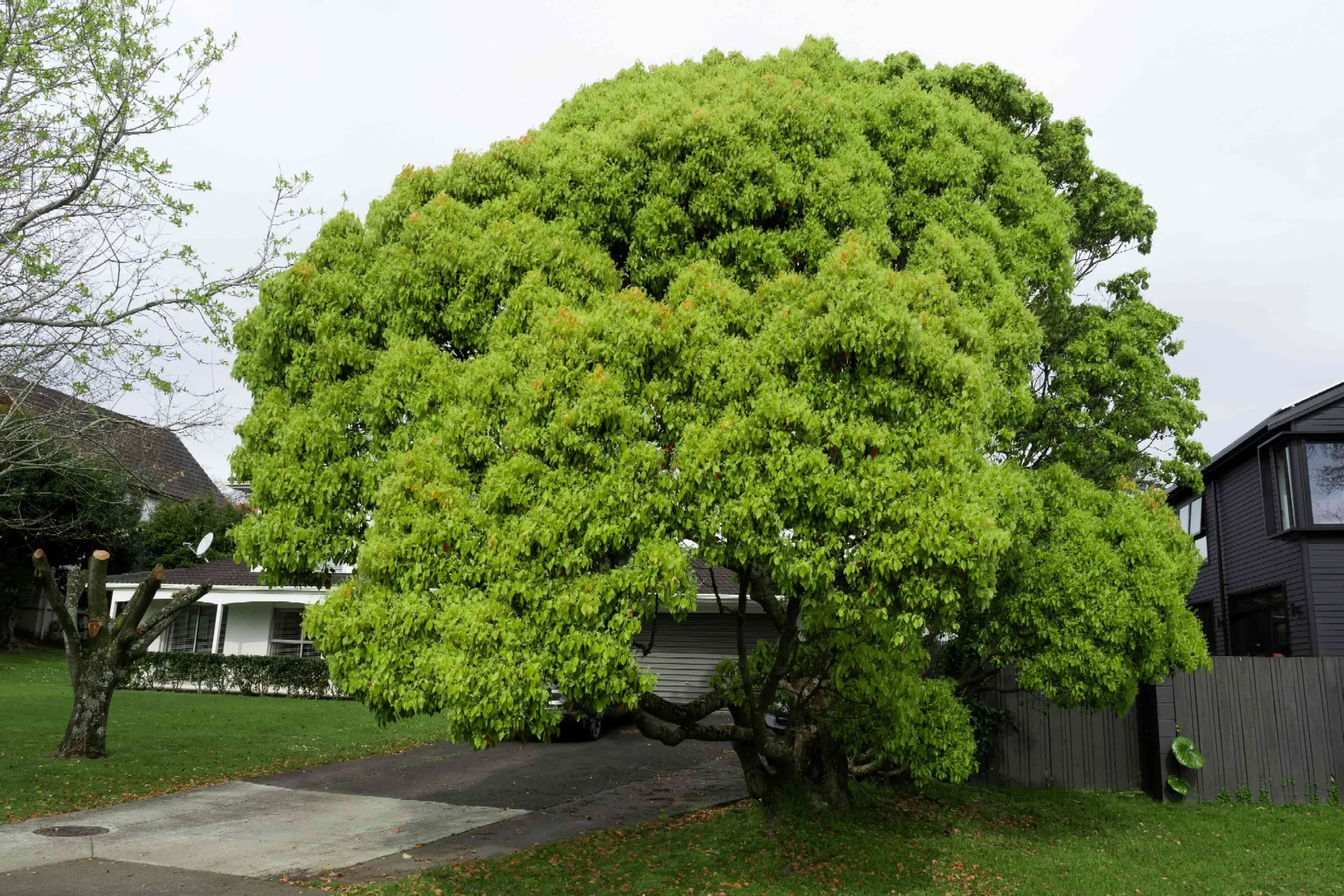
Issue: Produces tons of seedlings, forms weedy thickets, and has an aggressive root system invasiveness that makes it a poor choice near structures and pavements. - Australian Pine (Casuarina spp.)
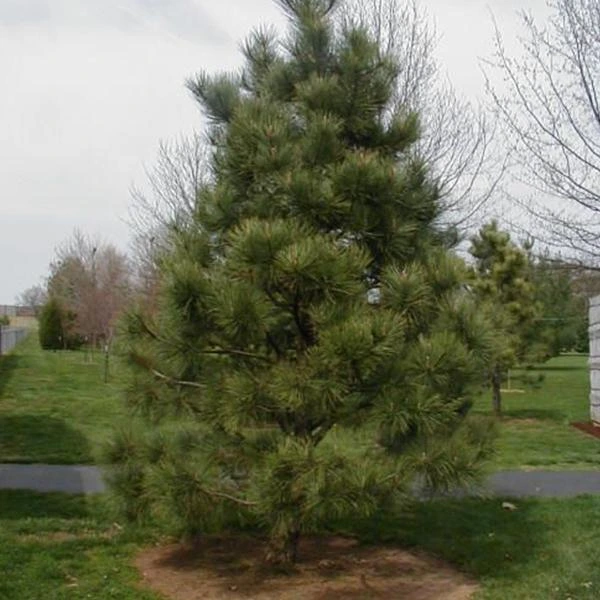
Issue: Shoots up very tall with shallow roots, making it notorious for toppling in storms, especially along shorelines and beaches. Also invasive along the coast. - Norfolk Island Pine (Araucaria heterophylla)
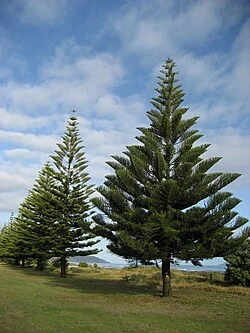
Issue: Grows extremely tall and narrow and often becomes a lightning target. In exposed Florida sites it can be a serious storm hazard.
Invasive Tree Species in Florida – EAV Overview
This table gives a quick look at how some of these problem trees are classified and what you should plant instead. It’s especially useful if you’re dealing with older plantings or buying a home with existing trees.
| Species Name | FLEPPC Category | Removal Required? | Fine for Planting? | Replacement Recommendation |
|---|---|---|---|---|
| Brazilian Pepper | Category I | Often required on public lands; encouraged on private | Planting is prohibited or discouraged in many jurisdictions | Use native shrubs/trees like Simpson’s Stopper or Walter’s Viburnum |
| Melaleuca | Category I | Removal actively promoted | Planting generally prohibited | Use Bald Cypress or native wetland trees instead |
| Australian Pine | Category I | Removal encouraged, especially on coasts | Often restricted near shorelines | Use native Slash Pine or Southern Red Cedar |
| Camphor Tree | Category II | Removal encouraged but less regulated | Planting discouraged | Use Live Oak or other native shade trees |
Hidden risk many homeowners miss: Some trees that don’t appear on invasive lists still have highly invasive root systems that crack driveways, shift foundations, and invade underground utilities. Before you plant any large tree close to a structure or sewer line, review root behavior in detail here: .
How to Choose the Right Tree for Your Florida Property
Instead of asking “What’s the best tree for Florida?”, ask what fits your specific yard, your long‑term plans, and how much maintenance you want to handle. Two houses on the same block can need totally different trees.
A good choice lines up with Florida-Friendly Landscaping principles, especially “right plant, right place.” That idea saves more money and headaches than any fertilizer or gadget you can buy.
1. Start with Your Site Conditions
Before you buy a single tree, walk the property like an inspector. Take notes and be honest about what you’ve got to work with.
- Lot size and available planting space – Huge shade trees like Live Oak need generous setbacks. Compact trees like Tabletop Magnolia fit where 20‑foot roots would be a disaster.
- Sun exposure – Full sun, partial shade, or heavy shade under existing canopy? Crape Myrtle and Japanese Blueberry want full sun for best performance. Many fruit trees need 6–8 hours of sun to produce well.
- Soil drainage – Is that corner soggy after storms, or bone dry even in summer? Bald Cypress suits wetter or low‑lying spots. Mango and avocado must have good drainage or they’ll decline.
- Proximity to salt spray – Waterfront lots need salt tolerant species like Simpson’s Stopper or some coastal natives. Inland lots have more flexibility.
2. Consider Structures and Utilities
Tree placement around structures is where many homeowners get into trouble. Roots and branches grow far beyond that nice little nursery pot you carried out to the car.
- Foundations, patios, and pools – Keep large, aggressive‑rooted trees a safe distance away from slabs, pavers, and pool shells. Learn more here: .
- Overhead power lines – Don’t fight the utility company. Choose small trees like Tabletop Magnolia or properly sized Crape Myrtle directly under lines so you’re not facing repeated severe pruning.
- Septic systems and sewer lines – Some species are notorious for chasing moisture leaks. Keep thirsty, vigorous‑rooted trees well away from drainfields and aging pipes.
3. Match the Tree to Your Purpose
Decide what problem you’re solving before you pick the tree. That narrows your choices fast and helps avoid impulse buys that never quite fit.
- Shade: For large, reliable shade, look at Live Oak, Southern Magnolia, Red Maple, and Bald Cypress.
- Privacy: Japanese Blueberry, Walter’s Viburnum, Simpson’s Stopper, and rows of Crape Myrtle work well as living screens.
- Ornamental flowers: Hong Kong Orchid, Crape Myrtle, and Tabletop Magnolia give strong bloom color or form.
- Fruit production: Mango, avocado, loquat, fig, and carefully chosen citrus provide a solid mix of harvest times and flavors.
Decision checklist (often overlooked):
- How much leaf/fruit litter are you realistically willing to rake, skim out of the pool, or blow off the patio?
- Do you want evergreen shade all year, or are you happy with winter sun warming the house when deciduous trees drop leaves?
- Is hurricane wind resistance your top priority, or are you okay with a little more risk for showier flowers?
- Do you want to support wildlife habitat, or would you rather avoid berries and nuts that attract critters near the house?
4. Evaluate Root System Invasiveness and Setbacks
Roots are out of sight, so people forget about them until the driveway cracks or the sewer line clogs. Different species behave very differently below ground, especially in Florida’s sandy soils.
| Species Name | Root Spread vs. Canopy | Depth in Sandy Soil | Foundation Risk | Sewer Risk | Recommended Setback from Structures |
|---|---|---|---|---|---|
| Live Oak | Equal to or greater than canopy width | Moderate to deep | Medium (if too close) | Medium | 20–30 feet |
| Crape Myrtle | Roughly equal to canopy | Shallow to moderate | Low | Low | 8–10 feet |
| Japanese Blueberry | Slightly beyond canopy | Moderate | Low–medium | Low–medium | 10–15 feet |
| Fig (Ficus carica) | Beyond canopy | Shallow | Medium–high | Medium–high | 20+ feet |
| Camphor Tree | Far beyond canopy | Shallow | High | High | Not recommended near structures |
For a deeper dive into root issues, setback distances, and how to avoid expensive surprises, visit: .
5. Factor in Maintenance and Long-Term Costs
One of the biggest surprises for new homeowners is how much a “cheap” tree costs over time. Fast growth and poor structure usually translate to ongoing bills.
- Frequent pruning to manage weak branches or control height in tight spaces.
- Repairs and tree root damage prevention for driveways, patios, pool decks, or plumbing.
- Storm cleanup when branches fail or entire trees go over in high winds.
Low‑maintenance workhorses like Simpson’s Stopper, Walter’s Viburnum, and well‑chosen Crape Myrtle cultivars often cost less over 20 years than a fast but problem‑prone tree that needs constant trimming and eventually removal.
Contact Florida tree service company for a free assessment and estimate.
6. Get Professional Help: Panorama Tree Care Planting Consultation
Each Florida property has its own microclimates, drainage quirks, HOA rules, and long‑term plans. A targeted planting consultation with certified arborist planting help can save you from decades of avoidable problems.
A Panorama Tree Care consultant can:
- Evaluate your soil, drainage, and wind exposure in person, instead of guessing from generic advice.
- Suggest species from this Florida tree species list that match your exact site conditions and goals.
- Lay out planting locations that reduce the chance of tree root damage to slabs, utilities, and hardscapes.
- Help you stay within HOA rules and city ordinances while still getting the trees you want.
To understand why expert help can make the difference between a stable canopy and years of emergency calls, read: .
Common Mistakes Florida Homeowners Make When Choosing Trees
Even with access to lists of trees that grow well in Florida, I see homeowners repeat the same mistakes again and again. A little planning up front avoids a lot of cutting, grinding, and repair work later.
- Mistake 1: Choosing purely on looks
Problem: That stunning flowering tree from the nursery might have brittle wood, invasive roots, or poor salt tolerance. You find out after the first big storm or a few years of root spread.
Fix: Always check wind resistance, root behavior, and climate suitability in UF IFAS or trusted local resources, not just how it looks in bloom. - Mistake 2: Planting large trees too close to houses
Problem: Live Oaks, figs, and other big trees can damage roofs, foundations, pool shells, and screen enclosures when planted as if they’re shrubs.
Fix: Follow setback guidance like the table above and check root‑system resources before planting anything large close to structures: . - Mistake 3: Ignoring mature size
Problem: A tree that looks harmless in a 3‑gallon pot may be a 60‑foot giant in 20 years, way beyond what the yard can safely support.
Fix: Plan for mature height and canopy spread, not nursery size. If the mature canopy overlaps the roof or power lines in your plan, it’s the wrong tree for that spot. - Mistake 4: Planting non‑salt‑tolerant trees on the waterfront
Problem: On bayside or Gulfside properties, regular salt spray burns foliage and weakens trees that aren’t suited for it, leading to decline and failure.
Fix: On waterfront lots, stick with salt tolerant species like Simpson’s Stopper, certain palms, or vetted native coastal trees, especially in the first row near the water. - Mistake 5: Over‑pruning fast‑growing trees
Problem: Topping Crape Myrtles or stripping out interior branches to “lift” canopies creates decay pockets and weak regrowth that breaks more easily.
Fix: Use proper structural pruning, ideally following UF IFAS recommendations and done by a certified arborist who understands long‑term tree health, not just quick thinning. - Mistake 6: Overreliance on citrus
Problem: Citrus greening disease makes citrus a high‑risk and high‑maintenance choice if it’s the backbone of your edible landscape.
Fix: Mix citrus with more resilient options like mango, loquat, figs, or other recommended fruit trees so one disease doesn’t wipe out your entire fruit plan.
FAQ: Trees That Grow Well in Florida
These are straight answers to the questions I hear most about trees that thrive in Florida. They cover shade, privacy, pools, and roots, which are usually the biggest concerns for homeowners.
What is the best tree for a privacy fence in Florida?
For a dense, living privacy fence, Walter’s Viburnum, Simpson’s Stopper, and Japanese Blueberry are hard to beat. They’re evergreen, thicken up nicely, and are well adapted to Florida’s sandy soils. In most yards, spacing them about 5–8 feet apart gives you a solid screen within a few years.
What is the fastest shade tree for yards?
Drake Elm, Bald Cypress, and Crape Myrtle all give relatively quick shade in Florida compared to slower oaks or magnolias. For long‑term stability, pair a fast‑grower with a Live Oak or Southern Magnolia planted at the same time, so you get quick comfort now and a storm‑resistant canopy later.
Are there truly hurricane-proof trees in Florida?
No species is completely hurricane‑proof, but some are consistently rated with excellent wind resistance. Properly pruned Live Oak, Bald Cypress, and several native oaks have a strong track record after storms. Good placement and structural pruning matter just as much as the species itself.
What trees are safe to plant near a pool in Florida?
Around pools, stick with trees that have non‑aggressive roots and minimal litter. Japanese Blueberry, Tabletop Magnolia, and select Crape Myrtle cultivars are all reliable choices. Keep large oaks, figs, and messy fruit trees away from pool decks, plumbing lines, and screen enclosures.
Which trees won’t damage my foundation in Florida?
Smaller trees with more moderate root systems like Crape Myrtle, Tabletop Magnolia, Simpson’s Stopper, and Walter’s Viburnum are generally safer closer to the house. Even then, aim for an 8–15 foot setback and avoid planting known aggressive species like figs and Camphor trees anywhere near foundations or old pipes.
What are the lowest maintenance trees for Florida yards?
Simpson’s Stopper, Walter’s Viburnum, Japanese Blueberry, and well‑selected Crape Myrtle cultivars are among the lowest maintenance choices. They handle Florida’s sandy soils, don’t need constant pruning, and show good drought tolerance once they’re established.
Can I plant citrus trees in Florida in 2026?
You can still plant citrus in Florida in 2026, but you should expect to manage citrus greening disease risks. Use UF IFAS recommended varieties, stay on top of pest and nutrient management, and understand that trees probably won’t live as long or stay as productive as historic groves did. Many homeowners now combine a few citrus trees with mango, loquat, and other fruits for more reliable harvests.
What Florida trees work best near the waterfront?
On or near the waterfront, prioritize salt tolerance and wind resistance first. Simpson’s Stopper, appropriate native coastal species, and select palms are common winners in these spots. Avoid Australian Pine, Norfolk Island Pine, and salt‑sensitive ornamentals in the first row along the water where salt and wind are most intense.
Final Summary: Build a Florida Yard That Lasts Decades
If you want a landscape that stays healthy in Florida’s USDA zones 9b–10a, focus on trees that already prove themselves here year after year. Live Oak, Southern Magnolia, Bald Cypress, Crape Myrtle, Japanese Blueberry, Hong Kong Orchid, and well‑chosen fruit trees form a solid core for most properties.
Use the decision framework in this guide to balance mature size, root system, hurricane wind resistance, salt and drought tolerance, and maintenance level before you dig a single hole. Steer clear of invasive and problem species, and lean on UF IFAS and Florida-Friendly Landscaping guidance so you’re not guessing.
If you want help sorting through options and matching the best trees for your Florida yard to your specific site conditions, schedule a Panorama Tree Care planting consultation. Smart planting decisions now can give you a safe, attractive canopy that outlives you and adds real value to your property for decades.