TL;DR: in Florida, a dying tree usually tips its hand long before it hits the ground. Look for fungal brackets at the base, bark splitting or peeling, thinning canopy and crown dieback, early leaf drop, and soft or rotting roots.
Some problems can be slowed or corrected if you move fast. But once you see advanced decay, major dieback, or root failure, that tree is usually on borrowed time and needs professional tree removal in Florida for safety.
Key Takeaways
- Visible fungal brackets, mushrooms at the base, and peeling bark are strong indicators that the wood inside is breaking down and the tree may not be structurally sound.
- Crown dieback over 25%, thinning foliage, leaf chlorosis, and early leaf drop point to a tree in systemic decline that needs a real tree health assessment in Florida, not guesswork.
- The cambium scratch test is handy for checking if specific twigs or branches are alive, but it does not replace an ISA-standard tree risk evaluation.
- Laurel wilt, oak wilt, and Ganoderma butt rot are three serious Florida tree diseases that can turn a stressed tree into a high-risk hazard much faster than most people expect.
- Once conk bracket fungus from Ganoderma shows up on the lower trunk or root flare, there is no cure. That tree usually jumps to the “remove soon” list.
- ISA and ANSI A300 guidelines flag trees with over 50% crown dieback, major root decay, or a trunk cavity exceeding 40% of the cross-section as likely removal candidates, especially near structures.
- Resistograph decay detection, root collar excavation, and soil testing are how pros uncover hidden decay, root issues, and soil problems that you simply can’t see from the ground.
- Panorama Tree Care’s ISA Tree Risk Assessment Qualified arborists can diagnose the problem, treat what’s still treatable, and help you plan safe removal and Florida permit paperwork when it is not.
What Is a “Dying Tree” in Arborist Terms?
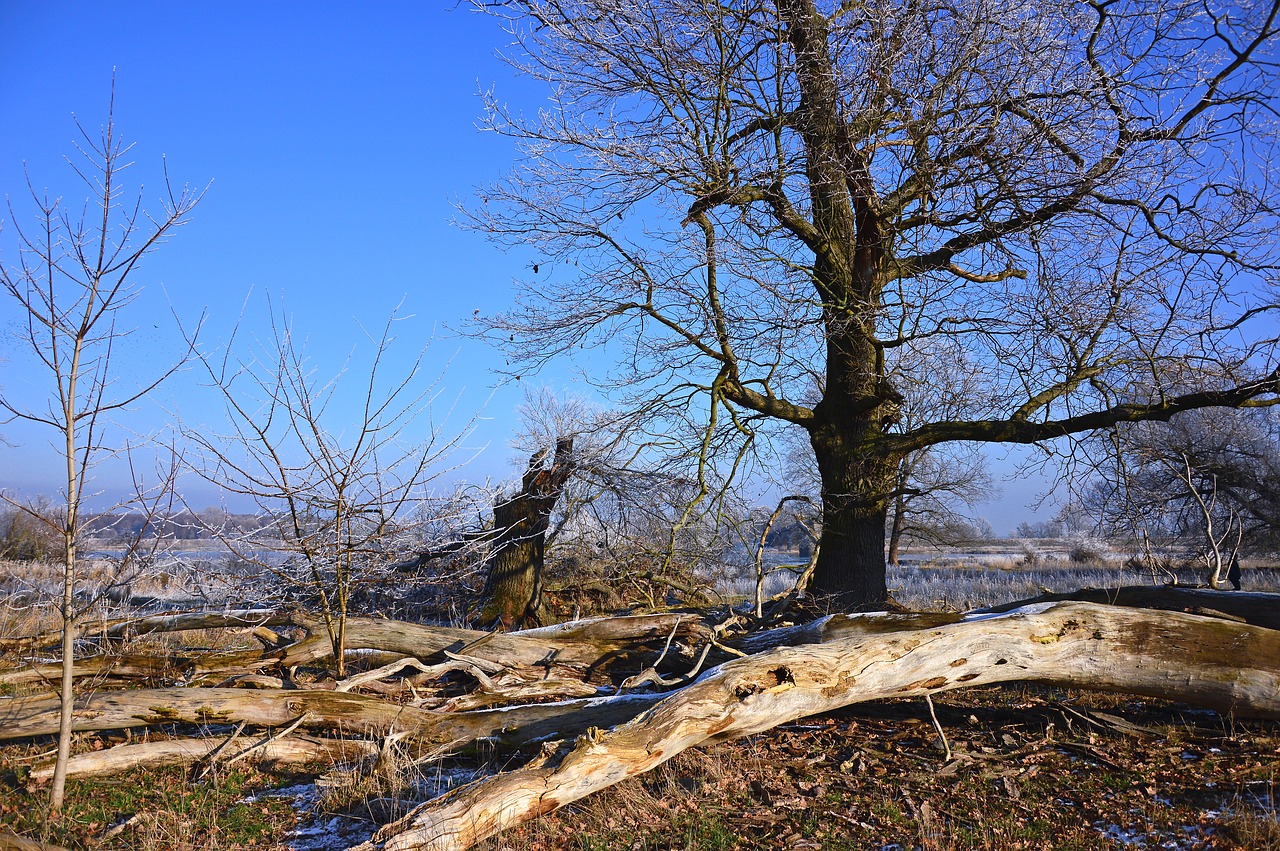
A “dying tree” is not just a tree that looks rough. In arborist terms, it’s a tree that’s losing vital functions and can’t reliably maintain healthy foliage, sound wood, or a solid root system anymore.
You tend to see progressive crown dieback, bark cankers, internal decay, or root failure showing up in different combinations.
Some of these trees can be pulled back from the edge if problems are caught early and the structure is still strong. Others are too far gone. They may still have green leaves, but structurally they’re unsafe and need to come out before they come down on their own.
8 Warning Signs Your Tree May Be Dying
Things you can spot without climbing gear include fungal brackets at the base, bark splitting or peeling, crown dieback over 25%, premature leaf drop, leaning with exposed roots, insect frass, mushrooms at the trunk base, and discolored cambium when you look under the bark.
Florida’s mix of heat, humidity, saturated soils, and storms is rough on trees. Decline can move fast. Below are eight warning signs I tell homeowners to take seriously — including the leaning tree warning sign that gets missed most often, especially if the tree is near a house, driveway, pool cage, or play area.
1. Fungal Brackets & Mushrooms
Whenever you see a good crop of mushrooms growing out of living wood, your tree is telling you something you need to hear. Fungi are there to break down dead or dying tissue. If they’re feeding, something inside that tree is already rotting.
Key red flags:
- Ganoderma bracket fungus (conk) forming at the base of palms or hardwoods, usually flat or hoof-shaped with a hard surface
- Mushrooms at the base of the trunk or right along large surface roots, especially in the same spot year after year
- Shelf-like conk bracket fungus attached to the trunk or root flare, often in stacks
- Repeat mushroom flushes in the same locations each wet season, which usually points to permanent decay inside
For Ganoderma butt rot in Florida, the stakes jump fast:
- Visible indicator: One or more flat or hoof-shaped conks at the root collar or lower trunk. They may start small, then grow into hard, layered shelves.
- Internal decay extent: The fungus typically hollows out 30–70% of the trunk cross-section before that first conk ever appears, so what you see on the outside is usually the last chapter, not the first.
- Species affected: Very common on queen palms, sabal palms, Washingtonia, and a range of other popular landscape palms and hardwoods in Florida.
- Treatment possibility: None that actually reverse decay. There is no fungicide or injection that “cures” Ganoderma once conks are visible.
- Removal urgency: You want an immediate consultation with an ISA arborist. With Ganoderma, trees are notorious for failing at the base with almost no warning, even when the canopy still looks decent.
Not every little mushroom in your mulch bed is a five-alarm fire. But mushrooms growing directly from the trunk, root flare, or large roots are almost never a casual issue. That’s the time to bring in a professional and get the structural situation checked properly.
2. Bark Damage, Splits & Cankers
Bark works like armor and skin for a tree. Once that layer is split, peeled, or rotting away in patches, pests and pathogens get an easy door in and the tree starts losing its ability to move water and nutrients in that area.
Concerning bark issues include:
- Vertical bark splits that run several feet along the trunk, especially if you can see into the wood or the split opens and closes with wind or temperature changes
- Bark cankers, which are sunken, discolored or cracked zones where the bark is dead, sloughing, or missing
- Peeling or sloughing bark that reveals dry, checked, or crumbly wood underneath instead of firm, solid tissue
- Oozing sap, dark streaks, soaked-looking bark, or foul-smelling fluid leaking from injuries or old pruning cuts
A bark canker might come from fungi, bacteria, sunscald, lawn equipment, or even old storm damage. On big structural branches or the main stem, those cankers can become weak spots that snap under wind load, which Florida gets plenty of every summer.
One thing many owners don’t realize is a tree can look fine from one side and be rotten on the backside. You can have perfectly normal bark on one face and severe internal decay or hidden cavities on the other. That’s why serious structural evaluations use tools like a resistograph and mallet-sounding. We don’t just stand there and eyeball it from the driveway.
3. Crown Dieback & Excessive Leaf Loss
If you want a quick reality check on a tree’s health, look up. The crown usually starts telling the story long before the trunk does.
Arborists talk about crown condition in terms of crown dieback percentage and how thick or thin the foliage looks compared to what’s normal for that species and site.
Warning signs in the crown include:
- Thin canopy where you’re suddenly seeing way more sky through the branches than you have in previous years
- Dead twigs at branch tips, scattered dead branch ends, and “flagging” where random clusters of leaves are dead in the upper crown
- Leaf chlorosis, where leaves turn pale yellow or mottled but the veins stay darker green, often hinting at nutrients or root problems
- Premature leaf drop that shows up well outside the normal seasonal window, especially in evergreen species that shouldn’t be dropping that much foliage
Arborists often classify crown dieback like this:
- Mild: 5–25% of the crown has dead tips or defoliation. You may notice it, but the tree still looks mostly full.
- Moderate: 25–50% dieback. Major thin spots, naked branch ends, and deadwood are visible from the ground.
- Severe: More than 50% of the crown is dead or bare. At this point, the tree might still push some leaves, but long-term health and structural soundness are usually poor.
Crown dieback is usually a symptom, not the root cause. Common drivers are root damage from construction, grade changes, trenching, poor irrigation, or disease.
If you’ve also noticed sidewalks lifting, pipes cracking, or driveways heaving, there may be a bigger root problem going on. You can dig deeper into that in our guide on tree root damage.
4. Root Collar Decay & Leaning
The root collar, or root flare, is where the trunk widens and those main roots head into the soil. It should flare out like the base of a wine glass, not disappear straight into a mound of mulch. That zone is the anchor point for the entire tree, so decay here is a big deal.
Signs of root collar problems:
- Mushrooms at the base of the trunk or coming straight out of big surface roots
- Wood at the root flare that feels soft, spongy, punky, or hollow when tapped with a mallet
- Sunken areas, cracks, or cavities around soil level that collect water, debris, or harbor insects and small animals
- Leaning tree with heaved-up soil, exposed roots, or gaps opening in the soil opposite the lean
- Soil or mulch piled high against the trunk over years, which buries the flare and often leads to root collar decay and girdling roots
Once root decay is advanced, the tree may have lost a big chunk of its holding roots. In Florida’s wet soils and storm winds, those are the trees that suddenly rotate at the base and lay down across a roof or fence with very little warning.
To get a proper look, ISA arborists often carry out a root collar excavation. That means carefully peeling back excess soil and mulch to reveal the root flare, check root health, and look for decay, conks, and roots that are strangling the trunk.
5. Wood-Boring Insects & Bark Beetles
In this area, a lot of trees that are already stressed take a hard turn for the worse once wood-boring insects or bark beetles move in. The bugs usually show up second. They love weak trees. But their activity can be your warning flag that something serious is wrong.
Look for:
- Wood boring insect frass, which looks like fine sawdust or gritty pellets piled up in bark cracks, on branch crotches, at the base of the trunk, or on nearby surfaces
- Bark beetle galleries, those engraved, maze-like tunnels you see etched in the inner bark or outer sapwood when bark flakes off
- Dozens of tiny, round or D-shaped exit holes peppered in the bark on the trunk or big limbs
- Foliage that goes downhill quickly after you notice the boring dust and exit holes
Some insect damage just makes the tree look rough. But once you’ve got heavy tunneling in the trunk or major roots, sap flow and structural strength both suffer.
If you catch things early, a licensed pro can sometimes use injectable treatments or systemic insecticides to protect that tree and its neighbors. Wait too long and your options narrow fast.
6. Internal Decay Cavities
One of the trickiest parts of this work is that a tree can look fairly healthy on the outside and still be a hollow tube on the inside. Those internal decay cavities cut down the amount of solid wood that is actually carrying the load.
Clues that internal decay may be present:
- Old wounds from poor pruning cuts, trunk impacts, lawnmower scars, or vehicle hits that never really closed over
- Cavities that hold water, fill with debris, or become homes for squirrels, birds, or other critters
- Hollow or drum-like sound when the trunk is tapped with a mallet instead of a solid “thunk”
- Fungal fruiting bodies near old wounds or on the trunk where damage occurred years ago
ISA and ANSI A300 guidance treat a trunk cavity that takes up around 30–40% of the trunk’s cross-sectional area at that height as a significant structural red flag. That does not always mean immediate removal, but it does mean the risk level is climbing.
To move beyond guesswork, arborists often use a resistograph decay detection tool. It is basically a very fine drill connected to a meter. As we drill through the trunk, the tool measures resistance.
Hard, sound wood gives high resistance. Decayed or hollow areas give very little. That lets us map the inside without cutting the tree down just to look.
7. Cambium Discoloration Under the Bark
The cambium layer is the thin living pipeline just under the bark. It is the tissue that carries water and nutrients and builds new wood. In a healthy tree, that layer is moist and either greenish-white or cream colored, depending on the species.
Warning signs:
- Cambium that looks brown, dry, or flaky instead of moist and green when you gently scrape the bark
- Large, continuous patches of dead cambium hiding under bark that still looks fairly normal from the outside
- Tissue that crumbles or turns to dust when scratched, instead of bending and staying moist
Discolored, dead cambium means that part of the tree is already gone. If this dead band wraps around most of the trunk circumference, the tree is effectively girdled.
Everything above that point starts to starve. You’ll see crown dieback, thin foliage, and eventually whole sections of the canopy go down.
8. Unusual or Sudden Lean
Some trees grow at a lean from the day they sprout and can stay that way for decades just fine. That sort of lean is usually not an emergency. What scares arborists is a new or increasing lean, especially after storms or extended wet weather.
Concerning leans include:
- Trees leaning more than about 15 degrees off vertical when they used to be fairly straight
- Fresh soil cracks, mounding, or heaving on the side opposite the lean, which often signals that the root plate is tearing loose
- New spaces between the soil and roots or trunk on the lean side after heavy rain or wind events
When that lean shows up together with root collar decay, mushrooms at the base, or moderate to severe crown dieback, the tree often lands in a high-risk category under ISA Tree Risk Assessment standards.
That’s when you want an urgent inspection, not a “see how it looks next hurricane season” approach.
The Scratch Test: Quick Way to Check If a Tree Is Alive
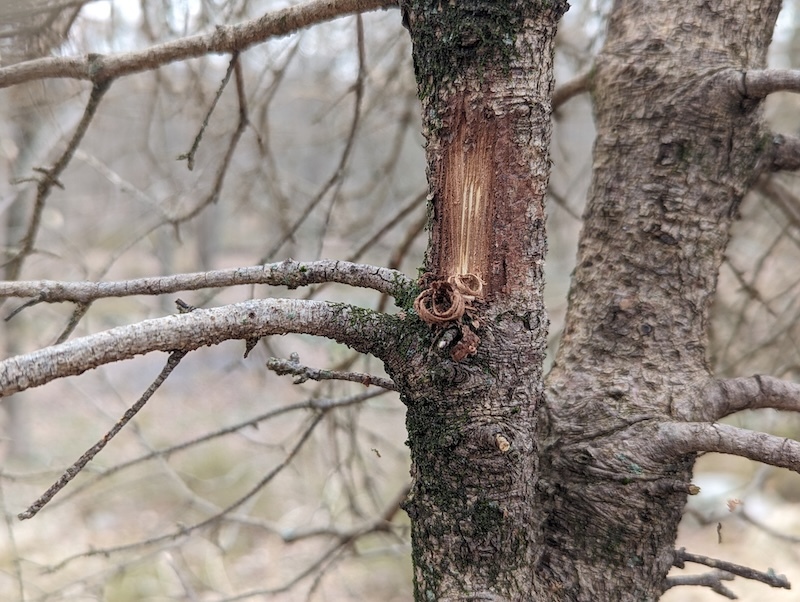
The cambium scratch test is the quick-and-dirty check most pros use on site. You lightly scrape the bark and look at the tissue underneath. Green, moist cambium tells you that part is still alive.
Brown, dry tissue usually means that twig or section is dead or dying. Doing this across different parts of the canopy can show you where dieback has started.
How to Perform the Cambium Scratch Test (Safely)
This test is handy for homeowners, especially after a freeze, drought, or storm. But you have to do it lightly and you have to understand its limits.
- Tool required: A small pocketknife, pruning knife, or on thin twigs even a firm fingernail works. You want something sharp enough to shave bark, not gouge wood.
- Where to test: Try at least 3–5 twigs or small branches from different sides and heights of the crown. On bigger trees, scratch one or two spots on the main stems at eye level too.
Step-by-step:
- Pick a small twig or branch about pencil-thickness that you can reach safely from the ground.
- Use the knife or fingernail to gently scrape away a thin strip of outer bark, no longer than about an inch.
- Look closely at the exposed layer:
- Green, moist tissue means that spot still has live cambium and is actively moving water.
- Tan, dark, or dry tissue usually means that twig is dead or that section has failed.
- Repeat this on multiple branches around the canopy so you can see if the problem is isolated or widespread.
Accuracy warning: The scratch test is only a rough indicator. A branch can test green and still hide internal decay — see cabling for structurally weak trees for support options. And roots can be failing underground while the top still shows green cambium. If the tree is anywhere near homes, driveways, power lines, or kids’ play spaces, rely on a certified arborist diagnosis instead of just a scratch test and a guess.
Florida Tree Diseases That Kill Trees (Laurel Wilt, Oak Wilt, Ganoderma)
In Florida, three diseases do more than just make trees look sick. They flat-out wipe them out. Those are laurel wilt disease, oak wilt, and Ganoderma butt rot.
Each one hits different species and moves at its own pace, but all three can turn a solid tree into a serious hazard faster than a lot of folks expect.
Laurel Wilt Disease
Laurel wilt disease is a vascular wilt that hits members of the Lauraceae family. That includes redbay, avocado, sassafras, and other laurels. In Florida yards, that often means cherished avocado trees and ornamental laurels are in the crosshairs.
- Vector: The Redbay ambrosia beetle carries the fungus into the tree when it bores in.
- Transmission speed: Once infected, trees can go from “looked fine last month” to dead in weeks to a few months.
- Symptoms:
- Leaves suddenly wilt and brown, sometimes one section of the crown at a time
- Dark, streaky discoloration in the sapwood when you peel back the bark
- Fine frass “toothpicks” sticking out of the bark where ambrosia beetles have bored in
- Treatment: Mostly limited to preventive trunk injections and protective work on high-value trees. Once a tree has severe wilt, removal is usually the better move to reduce local spread.
- Florida prevalence: Increasing, especially in neighborhoods with a lot of redbay, avocado, and other Lauraceae in close proximity.
Because laurel wilt moves quickly and can hop from yard to yard, catching it early matters. Removing heavily infected hosts and protecting the healthy ones nearby with targeted treatments can save you and your neighbors from losing multiple trees.
Oak Wilt (Ceratocystis fagacearum)
Oak wilt (Ceratocystis fagacearum) has historically hit harder in other states, but Florida is not off the hook. It is still rare but spreading in parts of Florida. Considering how much oaks contribute to our shade and property value, early recognition here is worth the effort.
- Affected species: Mainly the red oak group, which declines very fast, and the white oak group, which usually declines more slowly.
- Symptoms:
- Leaves starting to wilt and drop from the top of the crown downward
- Bronzed or browned leaf margins, often with a sharp line between green and dead tissue
- Rapid crown dieback. Susceptible red oaks can die in a single growing season after symptoms appear.
- Spread: Moves through root grafts between nearby oaks and is also carried short distances by insects that visit fresh pruning cuts or wounds.
- Management: Good sanitation, which means prompt removal of infected trees, avoiding pruning during peak insect activity, and sometimes fungicide injections to protect nearby high-value oaks.
If you think you’re looking at oak wilt or another major oak disease, don’t ride it out hoping for a miracle. An ISA Certified Arborist can perform a proper tree health assessment and, if needed, pull samples for lab testing. Saving even one large healthy oak next to an infected one can pay off big in shade and property value.
Ganoderma Butt Rot
Ganoderma butt rot is probably the disease I get the most worried calls about in Florida, and for good reason. It eats away at the base of palms and some hardwoods and often stays hidden for years.
- Visible indicator: Ganoderma conk bracket fungus sitting right at the base of the trunk or root flare, often with a shiny top and brownish underside.
- Internal decay extent: By the time that conk pops out, a big slice of the butt (lower) trunk cross-section is usually decayed and hollowed, drastically weakening the trunk.
- Species affected in Florida: Many commonly planted palms like queen, Washingtonia, and sabal palms, along with certain hardwoods.
- Treatment possibility: None once conks appear. There is no legitimate, proven cure to reverse the existing decay.
- Symptom progression timeline:
- Internal decay can be working for months or even years with little to see from the outside
- Once conks show, the risk of trunk failure at ground level jumps way up
- Removal urgency: High, especially near any structures or areas people use regularly. With a visible conk, ISA standards typically push toward prompt removal of those palms near targets.
Here’s the part most homeowners miss: Ganoderma sticks around in the infected wood and root debris in the soil. If you grind the stump and plant a new palm in that exact pocket, you may be lining up the same problem again.
A better approach is to choose non-susceptible species or move the new palm several feet away into uninfected soil.
Can a Dying Tree Be Saved? (Treatment Options)
Whether you can save a dying tree comes down to three things: what’s causing the decline, how far it has progressed, and how quickly you act.
Trees hitting the wall from fungal decay in the trunk or major roots are usually too far gone. Nutrient issues, light insect pressure, and some soil problems can often be fixed if you get on them early.
1. Fungal Infections and Decay
Once you see fungal fruiting bodies like conks, brackets, or mushrooms sprouting directly from the trunk or large roots, you’re usually dealing with advanced internal decay.
Reality check:
- There is no proven treatment that rebuilds structural wood destroyed by decay fungi such as Ganoderma, Phellinus, or similar pathogens.
- Fungicides can sometimes help with leaf spots, mildew, or twig diseases, but they don’t turn rotten wood back into strong wood.
- If fruiting bodies are growing on the lower trunk or root collar, you’re not just fighting disease. You’re dealing with a potential structural failure and need a proper risk evaluation.
In these situations, the conversation usually changes from “Can we fix this?” to “How do we manage the risk from this tree?” That might involve careful pruning and weight reduction for a short-term plan, or it might mean scheduling removal before nature does it for you.
2. Insect Infestations
Not every insect problem is a death sentence. Many sap-sucking pests and some borers can be brought under control if you catch them while the tree still has decent vigor and sound wood.
Potential treatments include:
- Systemic insecticides applied as soil drenches or trunk injections that move through the tree and target pests feeding on the sap
- Injectable treatments for specific borers when activity is localized and the structural core is still relatively solid
- Sanitation pruning to remove and destroy heavily infested branches before pests spread further
Once you’ve got heavy galleries in the main trunk or primary roots, treatments are mostly about protecting other trees on site. The compromised tree itself is often on a short timeline, especially if decay follows behind the insect damage.
3. Nutrient Deficiencies & Soil Problems
Chronic leaf chlorosis, short shoots, stunted growth, and early leaf drop often trace back to lousy soil conditions. In Florida’s built neighborhoods, that usually means compaction, poor drainage, messed up pH, or missing micronutrients.
These are often fixable issues if you catch them before the tree’s crown is severely thinned out:
- Professional soil testing to get actual numbers on pH, macro and micronutrient levels, and organic matter content
- Targeted fertilization plans, often including iron, manganese, or other specific nutrients instead of generic “all-purpose” products
- Mulching, root-zone aeration, and better irrigation practices to ease compaction and reduce water stress
If you start before serious dieback sets in, turning around soil and nutrient problems can dramatically improve tree vigor. That is where a solid tree health assessment in Florida pays off. One site visit and a soil test usually cost a whole lot less than removing a big dead tree later.
4. Storm Damage and Structural Injuries
Florida storms tear limbs, twist trunks, and cause hidden fractures all the time. Whether a storm-damaged tree can be kept or should be cut is a case-by-case call, and this is where experience really matters.
Factors arborists consider:
- How much of the crown is gone or dead now, either as crown dieback percentage or from actual broken branches
- Presence of cracks, splits, or buckling wood near major wounds or junctions
- The remaining live crown ratio, which is the proportion of the tree’s height that still has healthy foliage
Some trees can be made reasonably stable and presentable again with corrective pruning, cabling, and bracing. Others, especially those with deep trunk splits, failed root plates, or extensive pre-existing decay, are too far into the danger zone. If you’re working through a bigger “keep or cut” decision, look at our separate breakdown on the tree removal decision.
Local Treatment & Diagnosis in Florida
Panorama Tree Care handles tree health services all over Florida. That covers diagnosis, soil testing, disease and insect management plans, and realistic advice on which trees are worth saving and which ones are just waiting to fail.
When saving isn’t a smart or safe option, we help you plan a safe removal, handle permits, grind stumps, and build a replanting plan that fits your property, budget, and Florida’s specific conditions.
When a Dying Tree Must Be Removed (Safety Thresholds)
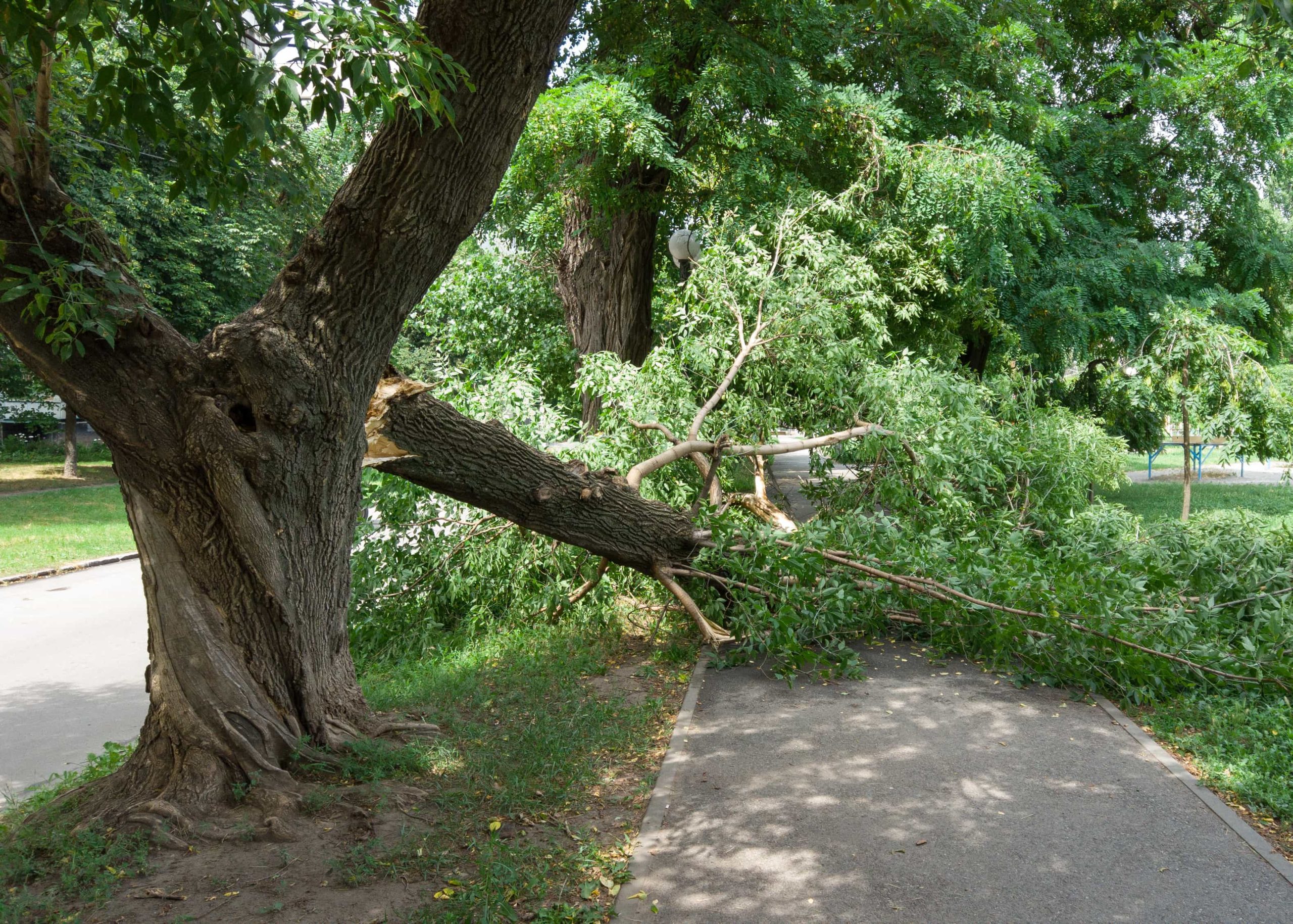
At some point the question stops being “Is my tree dying?” and becomes “Is my tree safe to keep?” Under ISA Tree Risk Assessment guidelines and ANSI A300 standards, certain conditions push a tree firmly toward removal instead of more treatments and wishful thinking.
Typical removal triggers include:
- Crown dieback over 50%, especially if it has progressed over a short timeframe
- Structural root decay affecting the main anchoring roots at the base
- A trunk cavity exceeding 40% of the cross-sectional area at the measured height
- Leaning combined with root plate failure signs such as heaving soil or newly exposed roots
- Major structural defects in trees that are close to high-value targets like homes, walkways, parking areas, or play spaces
Crown Dieback Assessment & Removal Thresholds
To keep everyone speaking the same language, arborists use crown dieback assessment. It helps quantify how far decline has gone and guides the inspection and recheck schedule.
| Dieback Percentage | Severity Classification | Typical Recovery Possibility | Monitoring Interval | Removal Consideration |
|---|---|---|---|---|
| 0–10% | Mild | High (with proper care) | Every 24–36 months | Not usually needed |
| 10–25% | Early decline | Moderate to high | Every 12–24 months | Consider if other major defects |
| 25–50% | Moderate | Variable; depends on cause | Every 6–12 months | Discuss contingency removal plan |
| >50% | Severe | Low; often poor long-term prognosis | Every 3–6 months if retained | Strongly consider removal, especially near targets |
Once you pass roughly 50% crown dieback, you’re usually in salvage-the-site mode rather than save-the-tree mode. Even aggressive treatments rarely bring the canopy back to a safe, full state.
Under ISA Tree Risk Assessment Qualification (TRAQ) guidance, trees at this level of decline near valuable targets are very often recommended for removal.
Root Decay, Trunk Cavities & Lean
The crown is just half the equation. The real holding power comes from the root system and trunk, and that’s where we focus when safety is in question.
- Structural root decay: If a big portion of the buttress and lateral roots is missing or rotted out, the tree can lose its grip even with a decent canopy. In that situation, removal is typically recommended regardless of how green the leaves look.
- Trunk cavity or internal decay: Once internal defect eats up about 40% of the trunk cross-section or more at a given point, the tree’s ability to handle wind load is significantly reduced.
- Leaning with root plate failure: A new lean combined with soil cracking, raised ground, or lifted roots is a classic sign the tree is actively tipping over very slowly. That is not a tree you wait on.
These calls are made using ANSI A300 assessment standards and often backed up with resistograph decay detection or other tools so we’re basing decisions on measured internal conditions, not just guesswork from the curb.
Targets & Liability Considerations
A sketchy tree way out behind a retention pond might be allowed to stand as a wildlife snag for years. The same exact tree three feet from your bedroom or leaning over your neighbor’s driveway is a completely different story.
Things that push the decision toward removal include:
- Target occupancy, meaning how often people, vehicles, or structures are within the potential fall zone
- Tree size and species. A heavy, dense species or one with brittle wood is more dangerous in failure than a small, flexible ornamental
- Insurance and local ordinances. Some policies and Florida-area municipalities treat known hazardous trees differently, especially if you were warned and didn’t act
If you’re weighing more than just safety, like shade, wildlife habitat, or curb appeal, refer to our separate piece on the tree removal decision for a broader pros-and-cons look.
How Panorama Tree Care Diagnoses Tree Health in Florida
Panorama Tree Care uses a multi-step, ISA-aligned process to figure out if your tree is stressed, dying, or over the line into hazardous. The goal is simple: put clear information in your hands so you can decide whether to invest in treatment, monitor the tree, or plan a safe removal.
1. ISA Tree Health & Risk Assessment
Our ISA Certified Arborists, many carrying ISA Tree Risk Assessment Qualification, start with a structured visual inspection that follows ANSI A300 assessment standards. It’s not a quick drive-by. We actually get under the canopy and around the trunk.
- Assessment duration: Typically 30–60 minutes per standard residential property, depending on how many trees you want checked.
- Tools used:
- Mallet for sounding trunk and major roots to detect hollows or weak spots
- Binoculars to inspect upper crown, deadwood, and attachment points safely from the ground
- Basic hand tools to perform cambium scratch tests and probe the root collar for decay
- Report delivery: You usually get a same-day verbal summary, and a written report on request for HOAs, property managers, or insurance files.
- Cost in Florida: Varies with the number of trees and property size. Many single-tree evaluations land in the low hundreds of dollars and are often credited toward the work if you hire us for treatment or removal.
- Credentials required: ISA Certified Arborist for all formal assessments. For risk-focused evaluations, ISA Tree Risk Assessment Qualification (TRAQ) is strongly preferred.
During this evaluation we’re looking at dieback percentage, structural defects, decay indicators, disease symptoms, and site conditions like soil depth, drainage, surrounding construction, and targets in the fall zone.
2. Advanced Decay Detection & Root Collar Excavation
If the visual inspection hints at trouble inside the trunk or at the base, we may recommend more detailed testing to avoid surprises later.
- Resistograph decay detection: A specialized, low-impact drill that measures resistance as it passes through the trunk. The results show where internal decay cavities or soft wood are hiding, using tiny probes that leave minimal wounding.
- Root collar excavation: Carefully peeling back soil and mulch from the trunk base to expose the real root flare. This lets us see:
- Girdling roots that may be choking the trunk
- Root collar decay and any hidden conks or mushrooms
- Improper planting depth, where the tree was set too deep and buried the flare
With these tools, we can separate trees that are just a bit rough around the edges from the ones that look okay but are structurally unsound inside.
3. Soil Testing & Lab Diagnostics
In a lot of yards, the real problem is under your feet, not up in the canopy. Poor soil or specific pathogens drive a surprising amount of decline.
- Soil testing: Measures pH, nutrient levels, salinity, and organic matter. This helps us diagnose the real cause behind leaf chlorosis, weak growth, and general decline, instead of guessing and over-fertilizing.
- Lab diagnostics: For suspected laurel wilt, oak wilt, or other serious diseases, we can send wood or tissue samples to a plant pathology lab to confirm what you’re up against.
Those lab and soil results are used to build a targeted treatment or management plan. That keeps you from wasting money on “one size fits all” sprays and fertilizers that might do nothing for your actual problem.
4. Treatment vs. Removal Plan With Permit Assistance
Once the assessment is done, Panorama Tree Care lays out your options clearly so you’re not left guessing what to do next.
- You get a straightforward opinion on whether the tree is:
- Stable and mainly in need of routine maintenance
- Declining but salvageable with treatment, soil correction, and monitoring
- High-risk and recommended for removal under ISA and ANSI guidelines
- You can request written documentation for:
- HOAs and neighborhood associations
- Insurance companies, especially if damage has already occurred or is likely
- City of Tampa permit applications where removal or heavy pruning requires official approval
Our team can then coordinate removal, rigging, stump grinding, and replanting with species that are better matched to your site and less prone to the issues you just dealt with.
If you’re wrestling with other recurring issues on your property, check out our overview of common tree problems Florida owners face.
Common Mistakes Homeowners Make With Dying Trees (and How to Fix Them)
- Mistake 1: Ignoring mushrooms at the base.
Fix: Those mushrooms on the trunk or root collar are not just “yard fungus.” Treat them as a warning flare. Call an ISA Certified Arborist for a structural assessment instead of knocking them off and forgetting about them. - Mistake 2: Assuming green leaves mean the tree is safe.
Fix: Trees with advanced root decay or trunk cavities often hold a full canopy right until they fail. If you see new cracks, conks, mounding soil, or a sudden lean, schedule a risk assessment even if the tree is still leafed out. - Mistake 3: Over-pruning a declining tree.
Fix: Heavy “topping” or stripping out huge portions of the canopy stresses an already weak tree and speeds up decline. Follow proper pruning practices or hire a pro. If you’re unsure about cuts, refer to a reputable pruning guide before you start sawing. - Mistake 4: Waiting too long to remove a hazardous tree.
Fix: Once an arborist documents severe defects and high risk, waiting usually just makes removal tougher, riskier, and more expensive. If multiple removal triggers are present, get quotes and schedule the work instead of putting it off for “one more season.” - Mistake 5: Planting a new palm in the exact spot of a removed Ganoderma palm.
Fix: Because Ganoderma butt rot hangs around in the leftover wood and soil, new palms planted in the same hole are playing with fire. Move the new planting at least several feet away or choose a non-susceptible species for that original spot. - Mistake 6: DIY cutting without understanding load paths.
Fix: Large or decayed trees do not fall in predictable ways when cut. They barber-chair, twist, and kick back. Use licensed, insured professionals who work under ANSI Z133 safety standards so a risky removal doesn’t turn into a serious injury or major property damage.
FAQ: Signs of a Dying Tree in Florida
Here are straight answers to the questions homeowners bring up again and again about dying trees, disease symptoms, and safety decisions.
1. Do mushrooms at the base of my tree mean it’s dying?
Mushrooms growing directly from the base of the trunk or major roots usually mean internal decay is underway and the root system might be compromised. That doesn’t always mean the tree will die tomorrow, but it is a clear signal to get a certified arborist diagnosis and a structural risk assessment.
2. How quickly do I need to act if my tree is showing dying tree symptoms?
Speed matters more with some problems than others. Laurel wilt and severe root decay can move from first symptoms to serious hazard in weeks or a few months. Nutrient issues might creep along for years. If you see conks, a new major lean, or rapid crown dieback, aim to get an inspection within days to a couple of weeks, not “sometime later this year.”
3. Will homeowners insurance cover damage if a dying tree falls?
Insurance policies are all written a little differently, but many will look into whether the tree was a known hazard. If there were obvious warning signs like big dead branches, visible conks, or a severe lean and no one acted, coverage can be argued. Having a recent ISA tree health assessment on file shows you were paying attention and acting responsibly.
4. Do I have to tell my neighbor if their tree looks like it’s dying toward my property?
Legal obligations vary, but from a practical standpoint you’re better off notifying your neighbor in writing if you think their tree is hazardous and aimed at your roof or fence. Sharing an arborist’s written report can nudge them toward action and can help protect you if that tree fails later and there’s a dispute.
5. How much does a professional tree health assessment cost in Florida?
Costs depend on the company, number of trees, and whether you need a simple look or a full written report. Many single-tree assessments in Florida start in the low hundreds of dollars (USD), and many firms apply that fee as a credit if you move ahead with recommended treatment or removal through them.
6. Can I tell if my tree is dead or alive just from the cambium scratch test?
The cambium scratch test is helpful for seeing whether that particular twig or branch is alive, but it doesn’t tell you if the tree is structurally sound. Trees with dangerous internal decay or root failure can still show green cambium in the upper branches. If the tree is near houses, cars, or play spaces, get a full ISA risk assessment instead of relying only on scratch tests.
7. Are Florida laurel wilt and citrus greening related?
No. Laurel wilt disease attacks members of the Lauraceae family, like redbay and avocado, and is spread by the redbay ambrosia beetle. Citrus greening (Huanglongbing) hits citrus trees and is spread by the Asian citrus psyllid. Both are serious issues around Florida, but they involve different pathogens, insects, and host trees.
8. When is removal the only safe option for a dying tree?
Removal often becomes the only responsible choice when a tree shows over 50% crown dieback, heavy Ganoderma butt rot or root decay, a trunk cavity that eats up about 40% or more of the cross-section, or a new lean with clear root plate failure. If any of that lines up with a tree over homes, driveways, parking, or walkways, removal jumps to the front of the line.
Final Summary & Next Steps
in Florida, the warning signs of a dying tree, from fungal brackets and peeling bark to crown dieback and root decay, are more than cosmetic quirks.
They’re often your only advance notice that the tree’s structure is changing and the failure risk is climbing, especially under storm winds.
Treat things like mushrooms at the base, sudden lean, internal decay cavities, and severe crown dieback as reasons to bring in a pro, not reasons to keep putting it off.
An ISA Tree Risk Assessment Qualified arborist can sort out which trees still have a future with proper care and which ones are better removed before gravity and bad weather decide for you.
If you’re on the fence about whether your Florida tree is dying, hazardous, or just stressed:
- Schedule a tree health assessment with Panorama Tree Care so you know exactly where you stand.
- Ask for a written report you can share with your HOA, insurance provider, or the City of Tampa when permits or documentation are needed.
- Talk through treatment options, monitoring schedules, or safe tree removal decisions that make sense for your specific property and budget.
Proactive diagnosis almost always costs less than cleaning up an emergency tree failure and repairing what it crushed. If you’re seeing suspicious signs now, get a qualified Florida arborist involved and make a solid plan while you still have options.