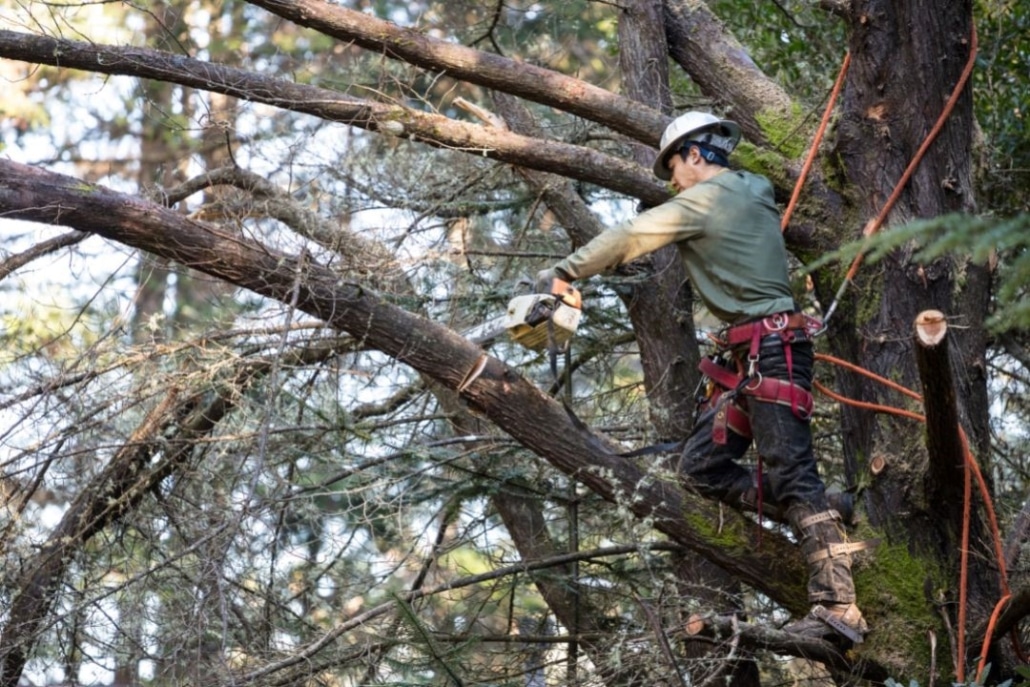
TL;DR: Cutting down a tree in Florida is usually justified only when it’s a clear safety threat, causing real structural damage, or is in the way of properly permitted construction.
Removing the wrong tree for the wrong reason can bite you later through fines, higher energy bills, drainage issues, and lower property value.
Around Hillsborough County, you never want to touch a protected or heritage tree without understanding permit rules, Florida Chapter 163 protections, and whether pruning, cabling as alternative to removal, or root work could solve the problem instead.
Key Takeaways
- Look for signs tree needs removal — usually structural failure, root damage, severe storm risk, untreatable disease, or required construction — not leaf drop, blocked views, or pool-guy complaints.
- Pros include protecting foundations and sewer lines, reducing storm damage, eliminating pest harborage, opening up sight lines, and freeing space for better-suited trees.
- Cons include loss of shade and energy savings, lower curb appeal and property value, erosion risk on sandy Florida soils, and losing carbon sequestration and wildlife habitat.
- Hillsborough County has strict rules, including heritage tree protections and penalties that can reach thousands of dollars per tree, even for an unpermitted tree close to house removal.
- An ISA certified arborist using the ISA Tree Risk Assessment Qualification (TRAQ) framework should size up questionable trees before you decide to cut.
- Florida’s urban forestry division and the Hillsborough County tree ordinance are your main references for permits, heritage trees, mitigation, and replanting obligations.
- Alternatives such as crown reduction (ANSI A300 standard), cabling/bracing, and root barriers often fix the real problem, so weigh trimming vs full removal before you cut.
- Always factor in the aftermath of certified stump grinding in Florida, replanting requirements, HOA rules, insurance implications, and the safety risks of tree removal when weighing the pros and cons.
Quick Definitions: What Is Tree Removal, Risk & Heritage Status?
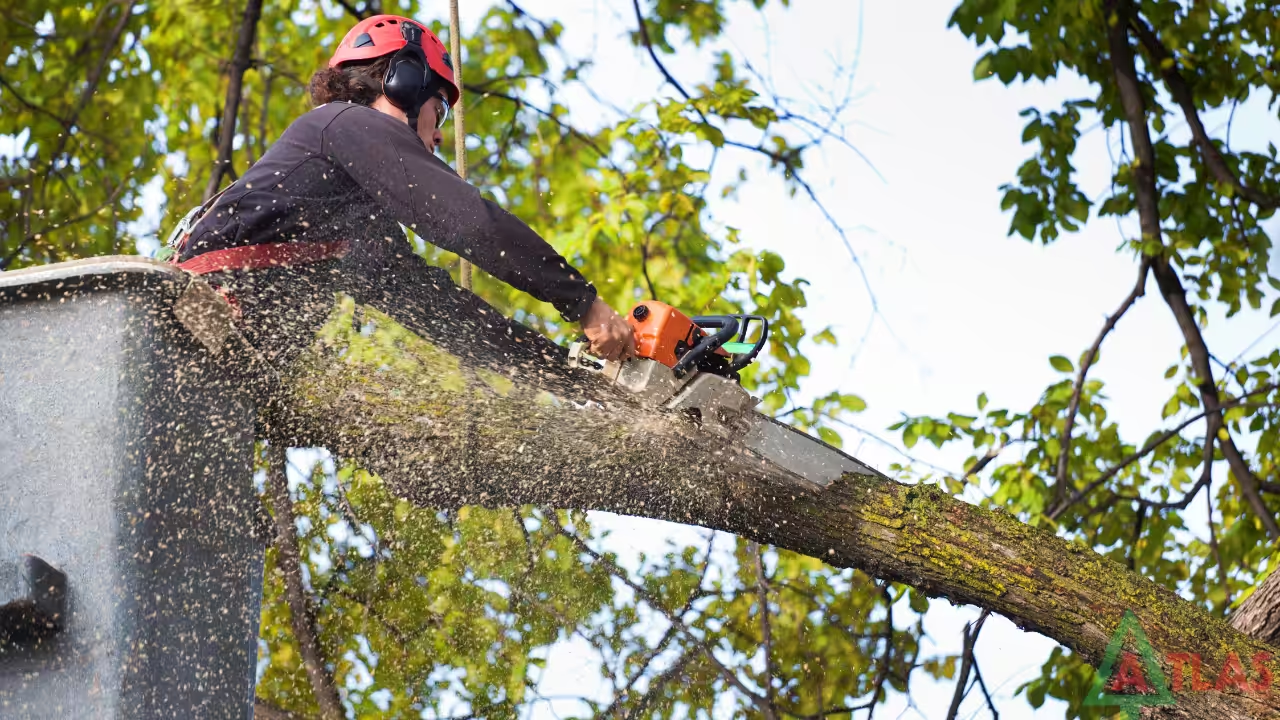
What is “cutting down a tree” in Florida? Around here, that means completely taking out the trunk and canopy, usually flush to ground level, and often following up with stump grinding after removal.
Under local rules, it also includes killing, topping to death, or otherwise destroying a protected tree, even if a stump is left behind.
What is a hazard tree? A hazard tree is one with structural problems or health issues that make it likely to fail and hit something that matters inside its “target zone,” like a house, driveway, sidewalk, or play area.
What is an ISA Tree Risk Assessment? It’s a standardized inspection done by an ISA certified arborist who holds the ISA Tree Risk Assessment Qualification. They use that training to rate how likely a tree is to fail, what it might hit, and how bad the outcome could be.
What is a heritage tree? A heritage tree is a large, specially protected tree that passes minimum diameter and species thresholds set by the Hillsborough County tree ordinance and Florida Chapter 163 tree protection. These are usually big, old natives that carry higher environmental and legal weight.
When Does Cutting Down a Tree Make Sense? (Decision Framework)
There are times when cutting a tree is absolutely the right call — though even then, the common mistakes when cutting trees can turn the job dangerous fast. In Florida, that’s usually when a tree presents a serious, documentable risk to people, structures, or critical infrastructure, not just because it’s messy or inconvenient.
Instead of asking only “should I cut down a tree?” you’ll get a better answer if you walk through a simple framework that weighs risk, legality, cost, and environmental impact. Below are the five main scenarios where removal is usually justified under Florida’s standards and real-world conditions.
1. Structural Failure Risk
Any tree can fail in a big wind, but some trees are already partway there. In Florida’s mix of thunderstorms, tropical storms, and the occasional hurricane, structural defects turn into real hazards fast.
Common structural defects include:
- Large cracks or splits in the trunk or major limbs that widen over time
- A significant lean combined with fresh soil lifting or mounding around the roots
- Co-dominant stems with included bark where trunks pinch together instead of forming a solid union
- Extensive internal decay or hollow sections, especially near the base
An ISA Tree Risk Assessment looks at all that and rates both the likelihood of failure and the consequences. If the tree lands in the “high” or “extreme” categories and it’s aimed at a house, driveway, or busy hangout spot, most arborists will lean toward removal as the most reasonable way to cut that risk down.
2. Root Damage to Foundation & Utilities
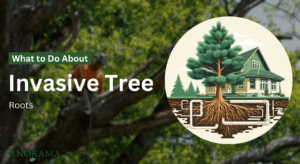
Roots don’t break concrete on purpose. They chase moisture and air. But in Florida’s sandy soils, roots can sprawl two to three times past the canopy edge, and that’s where trouble starts near houses and utilities.
- Foundation slab cracking or lifting when roots get under the edge and displace soil
- Driveway and sidewalk upheaval that creates tripping hazards and ugly heaves
- Sewer or septic line intrusion where fine roots find their way into joints and grow into clogs
Once the root damage zone overlaps your foundation, pool shell, or sewer lateral, options like limited root pruning or installing root barriers may or may not be safe.
If correcting the problem without destabilizing the tree is unrealistic, removal often becomes the cheaper long-term fix compared with ongoing foundation repairs and plumbing bills.
3. Storm Hazard in Florida’s Weather
Our storms don’t play around. Big trees can act like sails. If they’re compromised or poorly placed, that sail turns into a wrecking ball when the wind kicks up.
Risk goes way up when a tree:
- Overhangs roofs, driveways, neighbor’s yards, or power lines
- Has shallow or damaged roots from saturated soil, fill dirt, or past trenching
- Sits in a wind tunnel between buildings or at the edge of a clearing
- Is already leaning, has lost a major limb, or shows past storm damage
If a local ISA arborist tags it as a hazard tree with a high failure potential toward an occupied target, heavy pruning alone often won’t cut the risk to an acceptable level. At that point, removal is usually the safer and more defensible move, especially before peak storm season.
4. Disease or Decline Beyond Treatment
Trees get sick just like anything else. Some issues respond well to pruning, better watering, or targeted treatments. Others put the tree on a downhill slide you’re not going to reverse, no matter how much you spend.
Removal is often justified when:
- The tree has lost roughly 50–60% or more of its canopy and keeps thinning each year
- You see decay at the root flare or base of the trunk that keeps expanding
- Pest infestations like borers or termites are advanced and widespread
- Fungal conks or mushrooms at the base signal serious internal decay
In these situations, the reasons to cut down a tree usually include preventing an eventual failure, keeping problems from spreading to nearby trees, and avoiding throwing good money after bad on treatments with a low chance of success.
5. Construction Clearance with No Feasible Alternative
Sometimes a tree is sitting exactly where your new pool, garage, addition, or driveway is slated to go. Under Florida Chapter 163 tree protection and local codes, you’re expected to design around good trees where possible. But there are projects where that’s just not realistic.
- The tree cannot be reasonably preserved without blocking the project footprint
- Engineering workarounds like pier footings, root bridging, or reconfiguring the layout aren’t feasible or safe
- You agree to mitigation, such as replanting or paying fees in lieu where planting space is limited
In those cases, a certified arborist assessment paired with a clear site plan helps show the city or county that you looked at alternatives and that removal is the last resort under the Hillsborough County tree ordinance.
Expert tip: Before you rush to cut, use a full tree removal decision guide and get at least one independent ISA opinion. For borderline cases, get a second opinion from someone who isn’t bidding on the removal work.
Pros of Cutting Down a Tree (6 Benefits Homeowners Overlook)
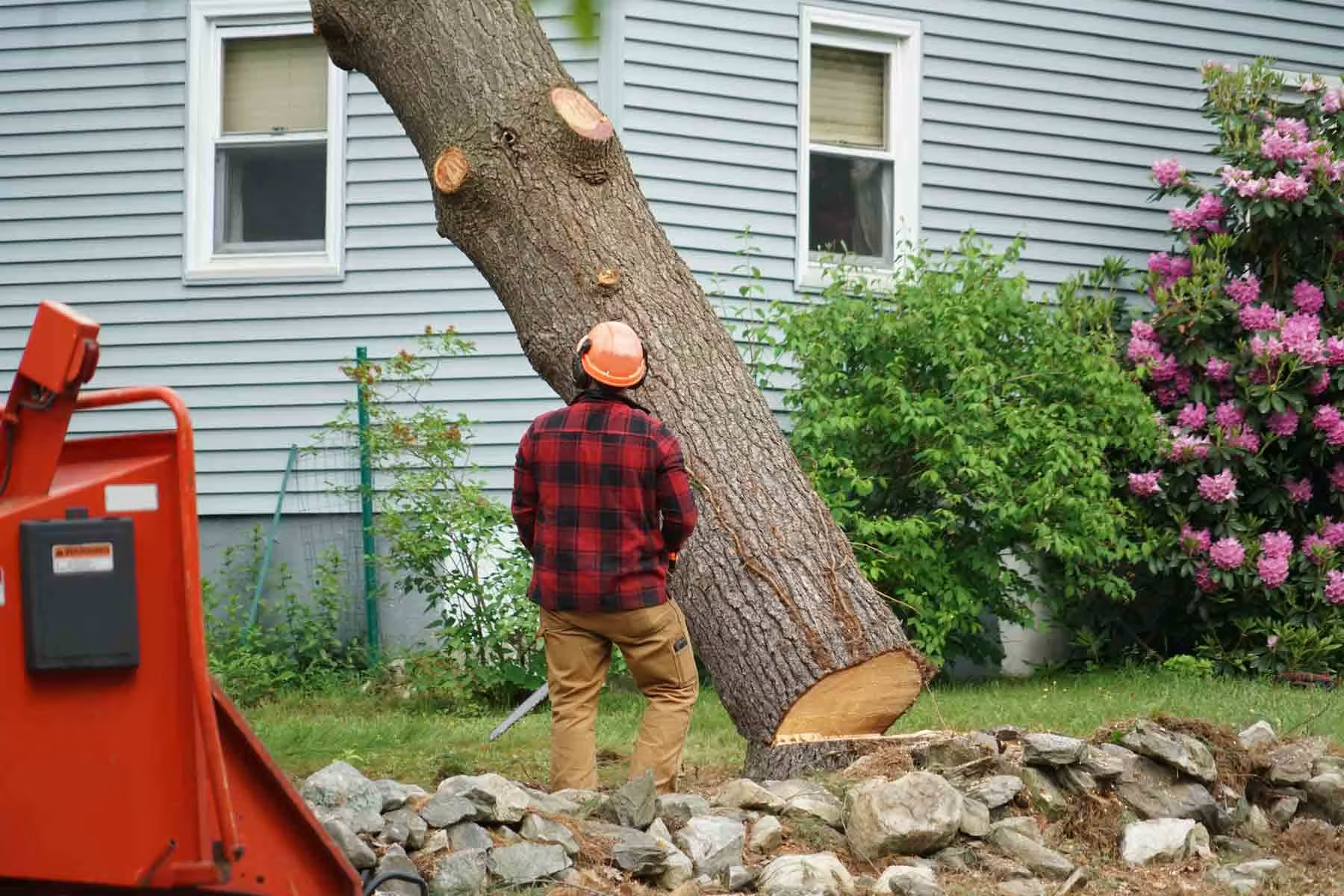
Most folks focus on what they’ll lose when they think about the pros and cons of cutting down trees. Shade, curb appeal, squirrels, the whole package. But in Florida, especially around older homes and tight lots, removing the wrong tree in the wrong place can actually save you from some nasty surprises.
The main benefits involve protecting your foundation and sewer lines, lowering storm damage risk, cutting pest issues, improving light and visibility, and creating room for better-suited species that won’t cause the same headaches.
Foundation & Sewer Line Protection
The root damage risk is one of the most common reasons I see people call for removal in Florida. A tree might have been cute when it was planted next to the house 25 years ago. Now its roots are under the slab and flirting with your sewer line.
Root damage zone metrics:
- Critical root radius: A rough rule of thumb is 1–1.5 feet of root spread for every inch of trunk diameter (DBH). So a 20 inch DBH tree can have vital roots reaching 20–30 feet from the trunk.
- Sewer line proximity threshold: Large trees within about 10 feet of sewer laterals or septic fields are high risk for intrusion, especially older clay or cast iron lines.
- Foundation encroachment risk: Consider risk high when the critical root radius overlaps the house slab, pool deck, or screen room footings on weaker or poorly compacted soils.
Taking out a poorly located tree can:
- Stop or prevent slab cracking, lifted corners, or differential settlement in the foundation
- Cut down on recurring sewer or septic backups from root intrusion
- Save thousands in structural and plumbing repairs that easily eclipse the typical tree removal cost in Florida
Storm Damage Prevention in Florida

Every year after the big storms, you can drive around Florida and see the same pattern. A handful of big, problem trees did most of the damage. Roof punctures, crushed fences, totaled cars. Many of those trees showed warning signs years earlier.
Proactively removing those high-risk trees can:
- Slash the chance of branches punching through your roof or collapsing a wall
- Protect vehicles, sheds, AC condensers, pool cages, and fences from impact
- Cut down the debris pile you’re hauling to the curb after a storm, which means faster cleanup and less stress
Insurance companies in Florida pay attention to obvious hazard trees. You may not get a discount for removing them, but documented risk reduction can help avoid finger-pointing over “neglect” if there’s ever a claim.
Pest & Disease Elimination
Dead and dying trees are like motels for pests. Once they move in, they don’t always stay put. They can hop over to your healthy trees or into the structure of your home.
Common issues include:
- Wood-boring insects and termites colonizing dead or rotting wood
- Fungal diseases spreading spores through the air or soil, jumping to nearby trees
- Rodents and wildlife nesting in hollow trunks or tight crotches, then venturing into attics and garages
When an arborist says the tree is too far gone, removal can:
- Shut down the disease source before it infects the rest of your landscape
- Lower insect and rodent pressure against your house and outbuildings
- Eliminate ongoing treatment costs on a tree that’s never going to bounce back
Following up with stump grinding after removal helps remove the last of the habitat and clears the way for replanting a healthier species in a better spot.
Less Obvious Pros: Sight Lines, Safety, and New Planting Opportunity
Some benefits don’t show up on a spreadsheet but still matter a lot in daily use of your property.
- Sight line restoration: Clearing trees that block driveways or corner lots improves visibility on and off your property. That means fewer close calls and better security with fewer dark hiding spots.
- Light balance: Removing a dense, over-shading canopy can help your grass, shrubs, and garden recover. It can also reduce chronic mold, mildew, and algae buildup on roofs, siding, and pool decks.
- New planting opportunity: Taking out a problematic tree lets you replace it with smaller, storm-resilient natives that behave better around houses and utilities. You keep canopy and benefits without inheriting the same risks.
Companies like Panorama Tree Care often build a removal plan and a replanting plan together so you don’t just lose trees, you trade up to a healthier, lower-risk landscape.
Cons of Cutting Down a Tree (5 Costs Beyond the Invoice)
On the flip side, the reasons not to cut down a tree go way beyond what you pay the crew. In Florida’s heat and sun, mature trees quietly save you money and make your property more livable and valuable.
When you weigh tree removal pros and cons, you have to count shade loss, property value shifts, erosion, carbon sequestration loss, wildlife habitat breakups, and the very real chance of fines or HOA trouble if you skip the rules.
Property Value & Shade Loss
Real estate agents and appraisers might argue over exact numbers, but they agree on one thing. A healthy, well-placed shade tree out front makes a property look better and feel better. Buyers see that and pay for it.
Property value impact metrics:
- Mature tree value: A big, healthy shade tree can be appraised at roughly $1,000–$10,000+ depending on species, size, and position.
- Shade energy savings: in Florida summers, a shaded roof or west wall can knock 15–35% off your cooling costs.
- Curb appeal contribution: Landscapes with established trees can bump perceived home value by 5–10% in many neighborhoods.
- Removal depreciation: Taking out a signature front-yard shade tree, without a strong replacement plan, can shave an estimated 2–8% off buyer-perceived value.
So if the tree that shades your front entry, frames the house, or anchors the whole landscape comes down, you may fix one problem and create another in long-term value and comfort.
Erosion Risk on Florida Sandy Soil
Most of Florida sits on sandy, fast-draining soils. That’s nice when storms drop a foot of water, but those soils don’t hold together like clay. Pull a big root system out of the equation and you can end up with bare, shifting spots.
Consequences of canopy and root loss include:
- More runoff during heavy rains that used to soak in under the canopy
- Soil loss on slopes, near seawalls, ponds, or around foundations where water starts cutting channels
- Exposure of nearby roots from neighboring trees and shrubs, which can stress them and create tripping hazards
Tree canopies slow rainfall before it smacks the ground, and roots knit soil together. Remove one key tree on a slope or near a waterfront and you can end up fighting erosion and drainage problems that weren’t there before.
Environmental Costs: Carbon & Habitat
Every decent-sized tree on your lot is doing quiet work. It’s pulling carbon dioxide out of the air, shading hard surfaces, and giving birds and pollinators a place to live.
Environmental downsides of removal include:
- Carbon sequestration loss: A mature tree can offset a noticeable slice of a typical household’s yearly emissions. Once it’s gone, that work stops.
- Canopy loss: Less shade means hotter hardscapes and higher neighborhood temperatures. You also lose some stormwater interception.
- Wildlife habitat displacement: Birds, bats, butterflies, and small mammals lose nesting and foraging spots. Many rely on specific native trees.
One tree by itself might not seem like much, but a lot of little “one-tree decisions” across Florida add up. That’s why the Florida urban forestry division tracks canopy cover and enforces protection rules, especially on larger and heritage trees.
Fines for Unauthorized Removal in Hillsborough County
Here’s where a lot of people get burned. They figure, “It’s on my property, I’ll cut it.” Then they find out it was protected, or worse, a heritage tree. The city or county shows up with a calculator, and the number isn’t pretty.
Hillsborough County tree removal permit EAV snapshot:
| Attribute | Typical Value/Range |
|---|---|
| Application fee | Approx. $50–$150 (varies by tree size, type, and project) |
| Processing time | About 5–15 business days for standard residential permits |
| Protected species list | Many native hardwoods, oaks, and certain large canopy species |
| Heritage tree diameter threshold | Often around 24″ DBH or more, depending on species |
| Penalty for violation | Can reach several thousand dollars per tree, plus mitigation |
Unauthorized removal, especially of a heritage tree, can lead to:
- Substantial fines that scale with the tree’s size and species value
- Mandatory mitigation where you replant several new trees, sometimes more than you even wanted
- Potential liens or legal action in serious or repeated violation cases
Before you hire a crew or rent a chainsaw, always check Hillsborough County tree permits and city of Tampa rules. It’s cheaper than arguing with code enforcement later.
Florida Tree Removal Permit Requirements (Hillsborough County 2026)
As of 2026, tree rules in and around Florida come from a few places at once. You’ve got the Hillsborough County tree ordinance, the city of Tampa’s code, and statewide guidance like Florida Chapter 163 tree protection. If you want to know when to cut down a tree in Florida without getting in trouble, you’ve got to line up with those.
In general, you’ll need a permit for any protected or heritage tree unless the tree qualifies as a documented hazard under specific exemptions. And city rules are not identical to county rules, so first figure out if you’re inside Tampa city limits or in unincorporated Hillsborough County.
Which Trees Need a Permit?
Rules adjust over time, but here’s the basic idea of what normally requires a permit:
- Mature native shade trees above a certain trunk diameter (DBH) threshold
- Trees with official heritage tree status based on size and species
- Trees in conservation easements, buffers, or designated open space
- Street trees or trees in the public right-of-way along roads
Smaller ornamentals, some palms, and listed invasive species are often exempt. The catch is, the city of Tampa can have slightly different thresholds and species lists from unincorporated Hillsborough County, so pulling the latest local code is part of the homework.
Heritage Tree Designation Explained
A heritage tree is basically a VIP tree. Big, valuable, usually native, and heavily protected. Cutting one without a solid case and a permit can get expensive fast.
Heritage tree designation EAV snapshot:
| Attribute | Typical Value/Range |
|---|---|
| Minimum DBH | Often 24″ DBH or greater (species-specific thresholds may apply) |
| Species qualification | High-value natives such as certain live oaks and hardwoods |
| Removal penalty | Can exceed several thousand dollars plus restoration |
| Mitigation requirement | Replanting ratio may require 3–5+ replacement trees per removal |
| Exemption criteria | Documented hazard or disease with no reasonable way to preserve |
For heritage trees, you’re almost always looking at a formal permit, an ISA certified arborist report, and a clear reason why removal is unavoidable.
Permit Application & Processing
The forms might look different between city and county, but the basic process for homeowners is pretty similar.
- Submit an application with your property info, a simple site plan, and clear photos
- List each tree’s species, diameter (DBH), and exact location
- Explain the reason for removal, whether that’s hazard, construction, or health
- Pay the application fee, usually in the $50–$150 range for residential work
- Wait roughly 5–15 business days for review, understanding that site inspections are common
Depending on the size and type of tree, you may be required to provide mitigation, such as planting new trees or contributing to a tree fund, especially if you’re taking out larger canopy trees.
Hazard Tree and Emergency Exemptions
Local agencies know that dangerous trees sometimes can’t wait. There are safety valves built into both Hillsborough County and city of Tampa rules, but they’re not a blank check.
- Imminently hazardous trees that pose an immediate danger may be removed without a prior permit, especially after storms.
- You still need proof. Photos, dates, arborist letters, and insurance reports all help show that it truly was an emergency.
- Less urgent hazard trees usually still require a permit, but an ISA risk assessment report speeds approvals and covers your bases.
City of Tampa vs. Hillsborough County Rules
The line between city and county matters. You can’t assume the same rules apply across the entire the area.
The Florida urban forestry division may:
- Use different DBH thresholds for protected trees compared with the county
- Require different mitigation ratios or preferred species for replanting
- Apply extra standards for tree preservation during new site development
Because codes are updated from time to time, your best move is to:
- Verify whether your address is inside Tampa city limits or in unincorporated Hillsborough
- Check the latest code or call the correct office instead of guessing
- Work with a local arborist or a company like Panorama Tree Care that handles tree permits regularly
How to Decide: ISA Risk Assessment Method
Guesswork and gut feelings don’t hold up very well if something fails and there’s damage or legal fallout. The ISA Tree Risk Assessment Qualification (TRAQ) method gives you a structured way to decide whether to cut a tree down or preserve it.
An ISA certified arborist trained in TRAQ looks at three big questions:
- Likelihood of failure: Is the whole tree or any part of it likely to break?
- Likelihood of impact to a target: If that failure happens, is it likely to hit something valuable or occupied?
- Consequences of failure: If it hits, how bad are we talking? Minor damage, or a major loss?
ISA Tree Risk Assessment Scale & Costs
TRAQ uses descriptive ratings instead of hard numbers, but you can think of it like a four-step ladder from low to extreme.
ISA Tree Risk Assessment EAV snapshot:
| Attribute | Typical Value/Range |
|---|---|
| Risk rating scale | 1–4 (e.g., Low, Moderate, High, Extreme) |
| Failure likelihood | Estimated from <5% (low) to >50% (high) over a defined period |
| Target zone classification | Occupied (house, street, playset) or unoccupied (open yard) |
| Assessment cost in Florida | Typically $150–$400+ depending on number of trees and report depth |
| Reassessment interval | Every 12–36 months for monitored trees, or after major storms |
How the Risk Matrix Drives Recommendations
Once the arborist rates each factor, they plug it into a risk matrix. That matrix drives the recommendation.
- Low–Moderate risk: Usually managed with pruning, periodic monitoring, or small changes like moving parking areas.
- High risk: Often leads to more aggressive mitigation, such as crown reduction, cabling, or removing specific defective limbs.
- Extreme risk: Commonly points to full removal, especially where the target is a home, driveway, or area used daily.
in Florida’s climate, “moderate” risk in a mild region can behave closer to “high” once you add tropical storm winds to the picture. That local experience is exactly why you want a local ISA arborist, not just a generic opinion.
What a Risk Assessment Report Should Include
A solid certified arborist assessment for tree risk isn’t just a handshake and a verbal comment. You want something you can point to later.
- Basic site map and clear species identification for each tree
- Measurements for trunk diameter (DBH), approximate height, and canopy width
- Specific notes on structural defects, decay, pests, or disease symptoms
- Identification of targets like homes, driveways, walkways, playsets, and power lines
- An overall risk rating for each tree and recommended actions such as remove, prune, cable, or monitor
This report supports your permit application, gives you documentation for your insurance file, and can help settle disputes with neighbors who may not see the risk the same way you do.
Alternatives to Full Removal (Crown Reduction, Cabling, Root Barriers)
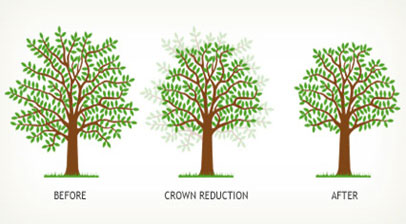
There’s a big middle ground between “leave it alone” and “take it to the ground.” In many situations, the honest answer to “should I cut down a tree?” is “not yet, and not if we can safely manage it another way.”
Crown reduction, cabling/bracing, and root management can reduce risk and conflicts while preserving canopy, shade, and property value.
Crown Reduction & Structural Pruning
Crown reduction is a targeted way of shortening specific branches to reduce overall height and weight without butchering the tree. When it’s done correctly under the ANSI A300 pruning standard, it can be a smart compromise.
- Reduces wind load on big, overextended limbs that are more likely to snap
- Creates more clearance from roofs, chimneys, and power lines
- Improves structure by favoring stronger unions and better branch spacing
Florida pricing vs. removal:
- Crown reduction or structural pruning often runs about 40–70% of what full removal would cost, depending on tree size, access, and risk level.
- It may need to be revisited every 3–7 years, but during that time you keep your shade, curb appeal, and habitat.
What you never want is “topping,” where someone just chops the top off and leaves stubs. That’s not ANSI A300 pruning. It usually leads to weak regrowth and higher risk down the road, so be direct and ask how the work will be done.
Cabling & Bracing for Structural Support
If a tree is generally healthy but has one or two structural concerns, cabling and bracing can often keep it in service longer and safer.
- Cables installed high in the canopy tie together co-dominant stems so they better share loads.
- Braces, usually threaded rods, go through trunks or large limbs to hold cracks from spreading.
- These systems are common on mature specimen trees, big oaks, or potential heritage tree candidates that owners really want to keep.
Cabling and bracing should always follow an arborist’s design and usually pair with some structural pruning. They don’t remove all risk, but they can reduce the likelihood of major limb failure to a level most owners are comfortable with.
Root Barriers & Root Pruning
When your biggest concern is root damage risk, removing the entire tree isn’t always the first move. In some setups, targeted root work can buy you many safe years.
- Root pruning: Selectively cutting specific roots that are impacting foundations, driveways, or pipes, ideally with tools that minimize tearing and shock.
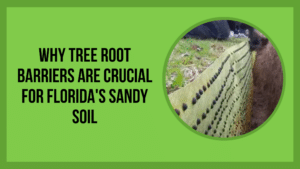
- Root barriers: Installing vertical barriers in the soil between the tree and a structure to redirect new root growth away from the problem area.
Key considerations:
- Cutting big roots without a plan can destabilize the tree and turn it into a hazard tree.
- An ISA arborist who understands our sandy soils needs to lay out what can be cut, what must stay, and how close you can work to the trunk.
- Because Florida’s roots often run wide and shallow, removing the wrong roots can dramatically change how that tree handles wind.
Typical Cost Ranges vs. Full Removal (Florida)
Every site is different, but most homeowners see roughly the same pattern in estimates.
- Structural pruning / crown reduction: Frequently cheaper upfront than full removal, especially when you have good access and the tree is not overbuilt on structures.
- Cabling & bracing: Mid-range cost. There’s also a maintenance element, because hardware should be inspected every few years.
- Root barriers: Highly site-specific. Sometimes pricey, but a bargain compared to underpinning a cracked slab or replacing a sewer lateral.
- Full removal + stump grinding: Highest upfront bill, but once it’s done, that tree is off your maintenance list for good.
To make a smart choice, look at lifetime costs over 10–20 years, not just the cheapest invoice this month. And factor in what you’ll replant to keep canopy, shade, and property value from sliding.
Common Mistakes When Deciding to Cut Down a Tree (and How to Avoid Them)
I see the same patterns across yards. Homeowners either wait too long on a dangerous tree, or they’re too quick to cut down a good one. Both directions can cause problems.
Mistake 1: Removing for Convenience Only
The problem: Cutting trees because of leaves in the pool, acorns on the driveway, or surface roots in the lawn, without considering what that tree actually does for shade, comfort, and value.
Fix: Treat removal as a risk-based decision, not a cleanup shortcut. Save full removal for hazard, structural conflict, or unavoidable construction reasons. For nuisance issues, look at pruning schedules, gutter guards, raking, or turf adjustments before you break out the saw.
Mistake 2: Ignoring Permit & Heritage Tree Rules
The problem: Assuming anything inside your survey lines is fair game, then finding out after the fact that you just cut a protected or heritage tree under the Hillsborough County tree ordinance or Florida code.
Fix: Before you commit, review Hillsborough County tree permits requirements and check heritage thresholds. If you’re on the fence, call the city or county, or have a local arborist confirm what’s protected and what isn’t.
Mistake 3: Skipping Professional Risk Assessment
The problem: Deciding a tree is “dangerous” because it leans or “fine” because it’s green, without a proper ISA Tree Risk Assessment. Visual impressions alone are often wrong.
Fix: Bring in an ISA certified arborist with TRAQ credentials. Their report gives you a reality check and a written record. It’s useful for permits, insurance claims, and neighbor disagreements.
Mistake 4: Underestimating Shade & Energy Impacts
The problem: Cutting a big shade tree by the house and then getting hammered by higher power bills and extra sun beating on windows, patios, and vehicles.
Fix: Before cutting, estimate the lost shade reduction and likely 15–35% increase in cooling costs in summer. If removal is necessary, plan for replanting in strategic spots to slowly rebuild your shade coverage.
Mistake 5: Not Planning for Stump & Replanting
The problem: Focusing only on dropping the tree and forgetting about the stump options after removal, root mess, and any replanting or mitigation you agreed to in your permit.
Fix: Put stump grinding after removal in the written contract, including depth and cleanup. Clarify if you’re required to meet a replanting ratio and who’s responsible for that planting so you don’t end up noncompliant.
FAQ
Here are straight answers to common homeowner questions about the pros and cons of cutting down trees, permits, liability, and what happens after you cut.
How much does a tree removal permit cost in Hillsborough County?
Most residential permit application fees run in the $50 to $150 range per application, sometimes per tree, depending on size, species, and what project it’s tied to. Heritage trees and bigger development projects can involve extra review and mitigation costs on top of that base fee.
How long does it take to get a tree removal permit approved?
Typical turnaround for straightforward residential permits is about 5–15 business days. If an inspection is needed, or if staff ask for more information or an arborist report, you’ll want to build in extra time, especially before major construction or storm season.
Do I have to replant a tree after removal?
Often, yes. When you remove protected or heritage trees, you’ll usually have a replanting obligation. That can mean putting in several smaller trees on your property or, if you’re out of space, paying into a tree fund so canopy is replaced elsewhere.
Am I liable if my tree falls on my neighbor’s property?
If a tree was clearly dead, diseased, or a known hazard and you ignored it, you could end up liable for damage. Regular inspections, documented ISA risk assessment reports, and reasonable maintenance show that you acted responsibly and can help protect you if there’s ever a dispute.
Does homeowners insurance cover tree removal in Florida?
Most policies only pay for tree removal after a covered peril like storm or lightning damage, and usually with caps per tree and per event. They generally won’t pay to proactively remove a healthy tree or one considered a maintenance issue, even if it worries you.
How much does an ISA arborist consultation cost in Florida?
A stand-alone visit from an ISA certified arborist typically runs around $150–$400+. The cost depends on how many trees you want checked and whether you need a formal, written risk report. Some tree companies will credit part of that fee toward the job if you hire them for the recommended work.
Contact Florida tree care professionals for a free assessment and estimate.
Can I cut down a dangerous tree without a permit?
For imminently dangerous trees, emergency removal is sometimes allowed without getting the permit first. But you still need to document the hazard thoroughly and follow any reporting or mitigation requirements afterward. When there’s time, getting an arborist letter and a quick call to the city or county before cutting is the safer route.
Is it better to prune or remove a problematic tree?
It depends on the ISA risk rating, overall health, species, and location. Often, crown reduction, cabling, or root management under ANSI A300 standards can bring risk to a level you’re comfortable with while keeping the tree. Full removal usually makes sense when risk is high or extreme, the tree is in serious decline, or it conflicts with structures in ways you just can’t engineer around.
Final Summary: When Does Removal Outweigh Preservation? (Decision Checklist)
in Florida, deciding to cut down a tree is a balancing act between safety, legal compliance, property value, and environmental impact. You’re usually on solid ground choosing removal when:
- An ISA Tree Risk Assessment rates it high or extreme risk toward a house, driveway, or area people use often.
- Roots are already causing serious or recurring foundation or sewer damage and practical alternatives won’t solve it.
- The tree is in advanced decline, suffering untreatable disease, or structurally compromised beyond realistic repair.
- A permitted construction project leaves no reasonable way to preserve the tree and still build safely.
- You’ve confirmed and complied with the Hillsborough County tree ordinance and Florida rules, including any heritage tree protections and replanting requirements.
On the other hand, if the tree is healthy, provides strong shade and curb appeal, and there’s room to bring risk down with ANSI A300 pruning, cabling, or root barriers, preserving it is often the smarter long-term play.
Next steps:
- Schedule a visit with a local ISA certified arborist and ask for a written risk assessment, not just a verbal “looks fine” or “needs to go.”
- Verify permit rules through official county or city channels before booking any removal work.
- Compare tree removal cost Florida estimates against long-term energy savings, shade value, and property value impacts.
- Plan for stump grinding after removal and thoughtful replanting so your yard and neighborhood keep a healthy canopy.
If you’re stuck on whether and when removal outweighs treatment for your specific tree, getting a professional evaluation first is usually the cheapest insurance you can buy.