Table of Contents
- What Lot Clearing Services for Commercial Construction Involve
- Budgeting a Commercial Clearing Job
- Commercial Land Clearing Timeline: The Order of Work
- Land Clearing and Grubbing: Removing Vegetation and Root Systems
- Tampa Bay Permits for Commercial Site Clearing
- Equipment, Methods, and Debris Disposal for Lot Clearing
- Selecting a Commercial Lot Clearing Contractor
- Frequently Asked Questions
What Lot Clearing Services for Commercial Construction Involve
Lot clearing services for commercial construction are the systematic removal of trees, vegetation, debris, and obstacles from a property to prepare it for building, infrastructure development, or site improvement. This foundational work transforms raw land into a construction-ready site by eliminating everything that would interfere with foundation work, equipment access, or utility installation.
The scope of commercial site clearing extends beyond simple tree removal. It includes grubbing (removing root systems), brush and undergrowth clearing, stump extraction, debris hauling and disposal, and site grading to establish proper drainage and access.
At Panorama Tree Care, our commercial tree service team recognizes that every commercial property presents unique challenges. A lot slated for retail development differs fundamentally from a site designated for industrial infrastructure. The density of existing vegetation, soil conditions, proximity to protected areas, and local permitting requirements all shape the scope and approach. Understanding these variables upfront prevents costly delays and ensures your project timeline stays intact.
Commercial land clearing also addresses hidden complications. Buried debris, utility conflicts, and unstable soil conditions often surface during initial site work. A thorough clearing contractor identifies these issues early, coordinates with utility locating services, and adjusts the work plan accordingly. This proactive approach saves time and money compared to discovering problems after construction has begun.
Budgeting a Commercial Clearing Job
Cost depends on acreage, how dense the vegetation is, how many large trees and stumps need to come out, whether debris can be chipped on site or must be hauled, and what permits and surveys the site needs. Protected trees, wetlands, or gopher tortoise burrows add time and cost.
For typical Florida price ranges and the factors that move them, see our lot clearing cost guide. For a commercial job, ask every bidder for a line-item quote that separates clearing, grubbing, stump removal, debris disposal, erosion control, and permit work, so you can compare like with like.
Commercial Land Clearing Timeline: The Order of Work
There is no standard timeline. A small lot with light brush and no permit issues moves quickly. A wooded parcel with wetlands or gopher tortoises can wait weeks or months for approvals before a machine starts. What is predictable is the order of work:
- Site assessment. Walk the site, mark trees to keep, and flag wetlands, burrows, utilities, and access points.
- Surveys and permits. Tree, wetland, wildlife, and stormwater approvals come first. Clearing before they are in hand risks fines and stop-work orders.
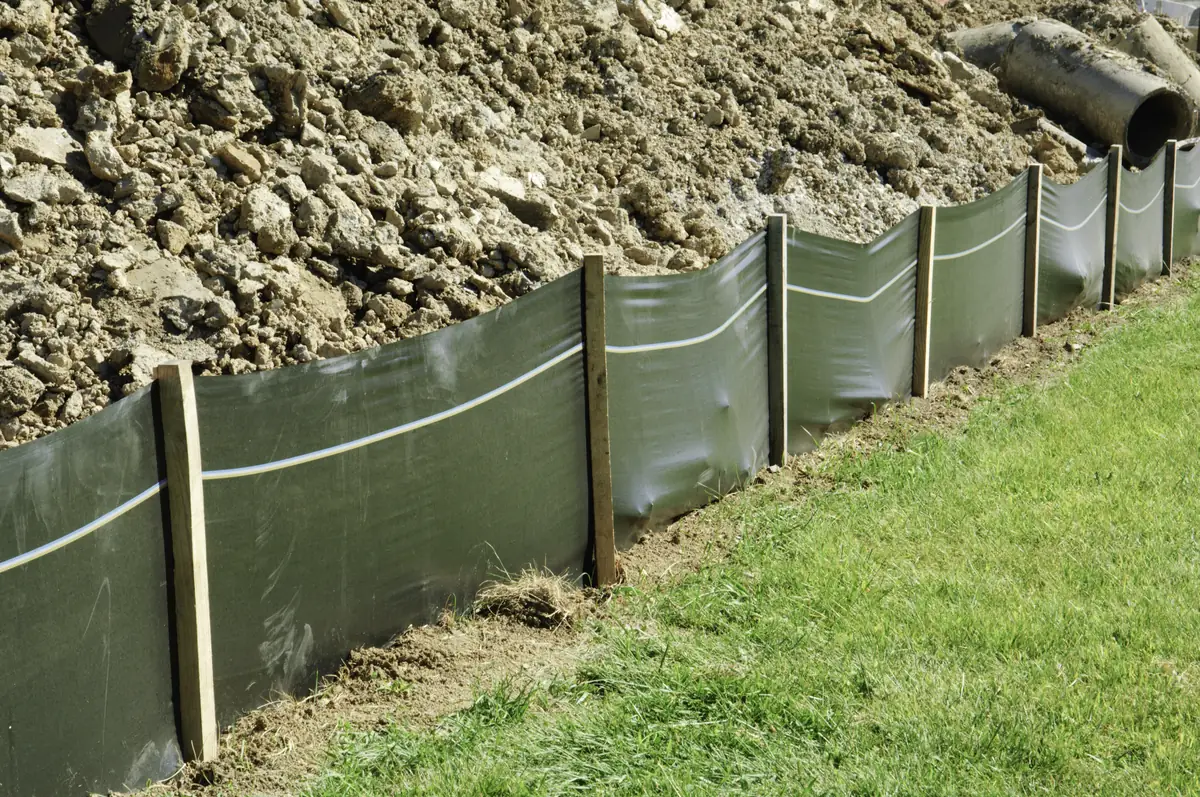
- Locates and erosion control. Contact Sunshine 811 and install silt fence and tree protection before any ground is disturbed.
- Clearing and grubbing. Fell trees, remove brush, and pull or grind stumps and roots.
- Debris processing. Chip, mulch, or haul material off site.
- Final grade and inspection. Leave the pad ready for the site contractor and pass any required post-clearing inspection.
Permits are usually the longest step, so start them early. Panorama Tree Care coordinates with your development team to keep clearing from becoming the bottleneck.
Land Clearing and Grubbing: Removing Vegetation and Root Systems
Land clearing and grubbing involves two complementary processes: above-ground vegetation removal and below-ground root system extraction. Both are essential for true site preparation.
Vegetation removal targets trees, shrubs, brush, and undergrowth. For commercial sites, this work must be comprehensive, partial clearing leaves hazards for construction crews and equipment.
Grubbing removes root systems that would otherwise interfere with construction. A tree may be felled and chipped, but its root ball and larger roots stay in the soil.
The distinction matters for your site’s final condition. A site that’s been cleared of trees but not grubbed still contains subsurface obstacles. When foundation crews begin excavation, they encounter buried root balls, creating unexpected delays and additional costs.
Debris disposal follows clearing and grubbing. Material is either chipped on-site (if space permits), hauled to regional disposal facilities, or salvaged for mulch or lumber. Some contractors operate mobile chippers that process material immediately, reducing hauling volume and cost.
Stump removal deserves specific attention. Grinding stumps below grade costs less than complete extraction but leaves root systems in place. Our guide to stump grinding vs. removal covers the trade-off. Extraction removes the entire stump and root ball, providing a cleaner site but requiring additional equipment and labor.
Tampa Bay Permits for Commercial Site Clearing
Regulatory compliance is often the most overlooked part of commercial site preparation, and the most expensive to get wrong. On a Tampa Bay commercial lot, these are the approvals to check before clearing starts:
- County or city tree approval. In unincorporated Hillsborough County, commercial and subdivision properties must receive a natural resource permit from Site & Subdivision Development before clearing. Sites inside Tampa, Temple Terrace, or Plant City go through those cities instead. Our Florida tree permit guide covers the local rules.
- Wetlands. In Hillsborough County, the Environmental Protection Commission (EPC) requires written authorization before work that destroys, reduces, or impairs wetlands or other surface waters. The Southwest Florida Water Management District also requires an Environmental Resource Permit before construction that would affect wetlands, alter surface water flows, or contribute to water pollution.
- Stormwater. Construction that disturbs one acre or more, or is part of a larger common plan of development, generally needs coverage under the Florida DEP Construction Generic Permit, with a stormwater pollution prevention plan.
- Gopher tortoises. Gopher tortoises are a state-listed threatened species. FWC requires a relocation permit before land clearing or development within 25 feet of a potentially occupied burrow.
- Mangroves. On waterfront parcels, mangroves are protected under state law. See our mangrove trimming rules guide.
Our lot clearing cost guide also covers Pasco County rules and debris burning authorization from the Florida Forest Service.
Before hiring a contractor, verify that they understand local environmental rules and have successfully navigated similar projects in your jurisdiction. Ask for references from recent commercial projects and confirmation of their permitting experience. A contractor who downplays permitting complexity or suggests working around regulations is a liability.
Equipment, Methods, and Debris Disposal for Lot Clearing
Commercial lot clearing relies on specialized machinery selected based on site conditions, vegetation density, and access constraints. Understanding equipment choices helps you evaluate contractor proposals and anticipate project logistics.
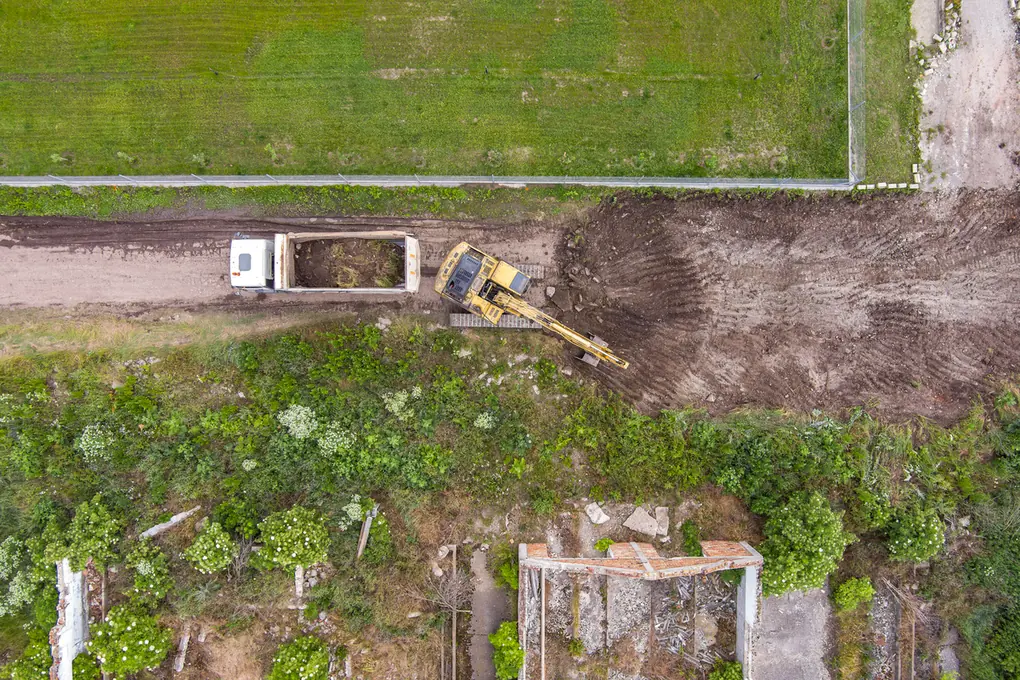
Excavators with hydraulic thumbs or grapples are workhorses on most clearing projects. These machines can fell trees, grab and pile debris, and extract root systems.
Bulldozers excel at pushing debris into consolidated piles and rough grading. They’re particularly effective for brush and undergrowth clearing on open sites.
Mulchers and chippers process debris on-site, reducing hauling volume and costs. Mobile chippers mounted on trucks can process material continuously as it’s felled, eliminating separate debris consolidation steps.
Stump grinders remove stumps efficiently, leaving chips that can be spread as mulch or hauled away. For large-scale clearing, hydraulic stump grinders mounted on carriers process stumps faster than portable models.
Debris disposal methods shape project economics and environmental impact. On-site chipping and mulching reduces hauling costs but requires sufficient space and equipment.
Site access and equipment staging areas must be established before work begins. Contractors need space to position equipment, consolidate debris, and stage material for hauling. Existing roads or cleared corridors reduce setup costs and timeline.
Selecting a Commercial Lot Clearing Contractor
Choosing the right contractor determines whether your project stays on schedule, within budget, and in compliance with regulations.
Start by verifying insurance. Florida has no state license for tree work, so ask for current certificates of general liability and workers’ compensation insurance, and check for ISA Certified Arborists on staff for tree preservation decisions.
Experience with commercial projects in your area is essential. Ask contractors for recent project references, specifically, commercial sites similar in size and complexity to yours.
Environmental and regulatory expertise matters more than many property owners realize. If your site involves protected trees, wetlands, or sensitive habitat, the contractor must demonstrate familiarity with relevant regulations.
Equipment and crew capability should match your site’s requirements. Larger sites demand more equipment and larger crews; contractors undersized for the project will move slowly and miss deadlines.
Detailed written estimates are non-negotiable. A legitimate contractor provides line-item quotes that break down equipment costs, labor, debris disposal, permits, and any site-specific requirements.
Communication and coordination capabilities are often overlooked but critically important. Your contractor should communicate regularly with your development team, coordinate with utility locating services, and work cooperatively with other trades.
Panorama Tree Care has served Tampa Bay since 2000. If you are planning a commercial project, request an estimate and we will walk the site with you.
Frequently Asked Questions
What permits or approvals are needed before clearing a commercial lot?
Most jurisdictions require building permits, site plans, and environmental assessments before lot clearing services for commercial construction begin. Protected tree species, wetlands, and stormwater management areas may trigger additional approvals from local environmental agencies. Your contractor should verify all requirements with the county or municipal planning department. In Hillsborough County, wetland work needs EPC authorization, sites that disturb one acre or more generally need Florida DEP stormwater permit coverage, and gopher tortoise burrows within 25 feet of the work need an FWC relocation permit. Starting without permits can result in fines and project delays, so confirm all requirements before work begins.
How long does commercial land clearing typically take?
Commercial land clearing timeline depends on lot size, vegetation density, debris volume, and site access. A small, lightly vegetated site can be cleared quickly once permits are in hand, while larger or heavily wooded sites take longer. Permits, wetland reviews, and gopher tortoise surveys often take longer than the clearing itself. Weather, equipment availability, and debris disposal logistics also affect the schedule. Your contractor should provide a realistic timeline during the planning phase and factor in buffer time for weather delays.
What is the difference between land clearing and grubbing?
Land clearing removes trees, brush, and surface vegetation from a site. Land clearing and grubbing goes deeper: grubbing removes root systems, stumps, and subsurface obstacles to prepare the ground for construction. Grubbing requires excavation equipment and creates more debris. Most commercial site preparation includes both services to ensure the foundation is clean and level. Skipping grubbing can lead to settling issues and costly repairs later, so clarify whether your contractor’s quote includes both services.
What should I look for when hiring a commercial lot clearing contractor?
Look for insured contractors with experience in commercial projects similar to yours (Florida has no state license for tree work). Verify they carry liability insurance and workers’ compensation. Ask about their approach to environmental compliance, debris disposal, and erosion control. Request references from recent commercial clients and confirm they understand local permitting requirements. ISA Certified Arborists provide professional tree assessment and removal. Get multiple quotes and compare scope, timeline, and equipment. Avoid contractors who skip permitting or underestimate costs, these are red flags.
How is commercial land clearing cost determined?
Commercial land clearing cost depends on acreage, vegetation density, tree size and species, debris volume, site access, equipment needed, disposal fees, and local labor rates. Protected trees or wetlands increase costs due to compliance requirements. Grubbing and stump removal add to the total. Pricing also reflects contractor experience, project timeline, and whether utilities need to be marked. Request detailed quotes that itemize each service. Costs vary significantly by region and site conditions, so get estimates from multiple qualified contractors for comparison.
What equipment is used for commercial lot clearing?
Common equipment includes bulldozers, excavators, skid-steer loaders, mulchers, and chippers. Dozers clear large areas and level ground; excavators remove stumps and roots; skid-steers handle dense brush in tight spaces; mulchers chip vegetation into reusable material. Cranes may be needed for large trees near structures. Dump trucks haul debris; roll-off containers hold waste. The equipment selected depends on lot size, vegetation type, and site access. Professional contractors choose equipment to work efficiently while minimizing soil disturbance and protecting nearby structures.
What happens to debris after commercial site clearing?
Debris disposal options include hauling to landfills, chipping for mulch or biomass, or grinding for reuse. Many contractors offer on-site chipping to reduce disposal costs and create usable material. Some sites require debris to be removed off-property; others allow chipping and spreading. Environmental regulations and local ordinances govern disposal methods. Contractors should clarify disposal costs upfront and whether chipped material stays on-site or is removed. Efficient debris management reduces overall project cost and environmental impact.
Clearing a commercial lot successfully requires more than removing trees and vegetation, it demands regulatory expertise, equipment precision, and project coordination. The right contractor prevents costly delays, ensures environmental compliance, and delivers a site truly ready for construction. Get a free estimate from Panorama Tree Care and let our certified team handle the complexity while you focus on your project timeline and budget.