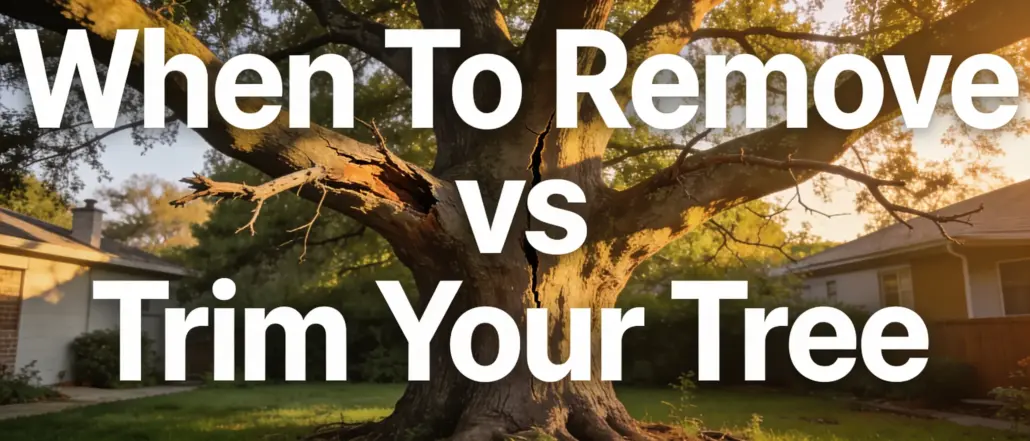
When To Remove vs Trim Your Tree
Trees showing dead branches, structural decay, or root damage often need removal, not trimming. Our ISA-Certified Arborists — serving Tampa Bay for decades. Assess whether a tree poses a genuine safety risk to your property. Trimming addresses isolated dead or damaged limbs. Full removal becomes necessary when structural integrity is compromised beyond recovery.
Key Takeaways
- Dead, dying, or structurally compromised trees require full removal to protect your property.
- Trees with 6 or more warning signs of decline need immediate professional removal assessment.
- Regular trimming maintains tree health, improves appearance, and extends the life of healthy trees.
- A tree planted in the wrong location causes long-term damage and warrants complete removal.
Is Your Tree Truly in Danger of Failing?
A tree in structural decline poses a direct threat to property, structures, and people. And the difference between a tree that needs trimming. One that needs removal is not always obvious from the ground. Recognizing the warning signs early prevents costly damage and eliminates the risk of an uncontrolled failure.
What does a leaning tree tell you about structural integrity?
A leaning tree is one of the clearest indicators that removal. Not trimming — is the appropriate course of action. When a tree develops a pronounced lean, especially one that has progressed over time, the root system or trunk structure has likely been compromised. Trimming branches does nothing to address that underlying instability. The lean itself is the problem.
When should a homeowner stop guessing and call a professional?
Determining whether a tree is genuinely dangerous requires more than a visual inspection from the yard. Our ISA-Certified Arborists are best qualified to assess whether a tree poses a true safety risk, evaluating factors that are invisible to the untrained eye. Root plate movement, internal decay, and canopy load distribution. Attempting to make that call without professional expertise puts your property at unnecessary risk.
Panorama Tree Care’s ISA-Certified Arborists have specialized in [hazardous tree removal](https://www.panoramatreeservice.com/services/tree-removal-service/) across the Tampa Bay area for many years. That depth of experience means our team recognizes structural failure patterns that others miss.
Key indicators that warrant an immediate professional assessment:
- A visible or progressive lean in the trunk
- Soil heaving or cracking near the base
- Sudden changes in canopy density or branch dieback
- Proximity of the tree to structures, power lines, or high-traffic areas
Do not wait for a storm to make the decision for you.
What Signs Point Clearly Toward Tree Removal?
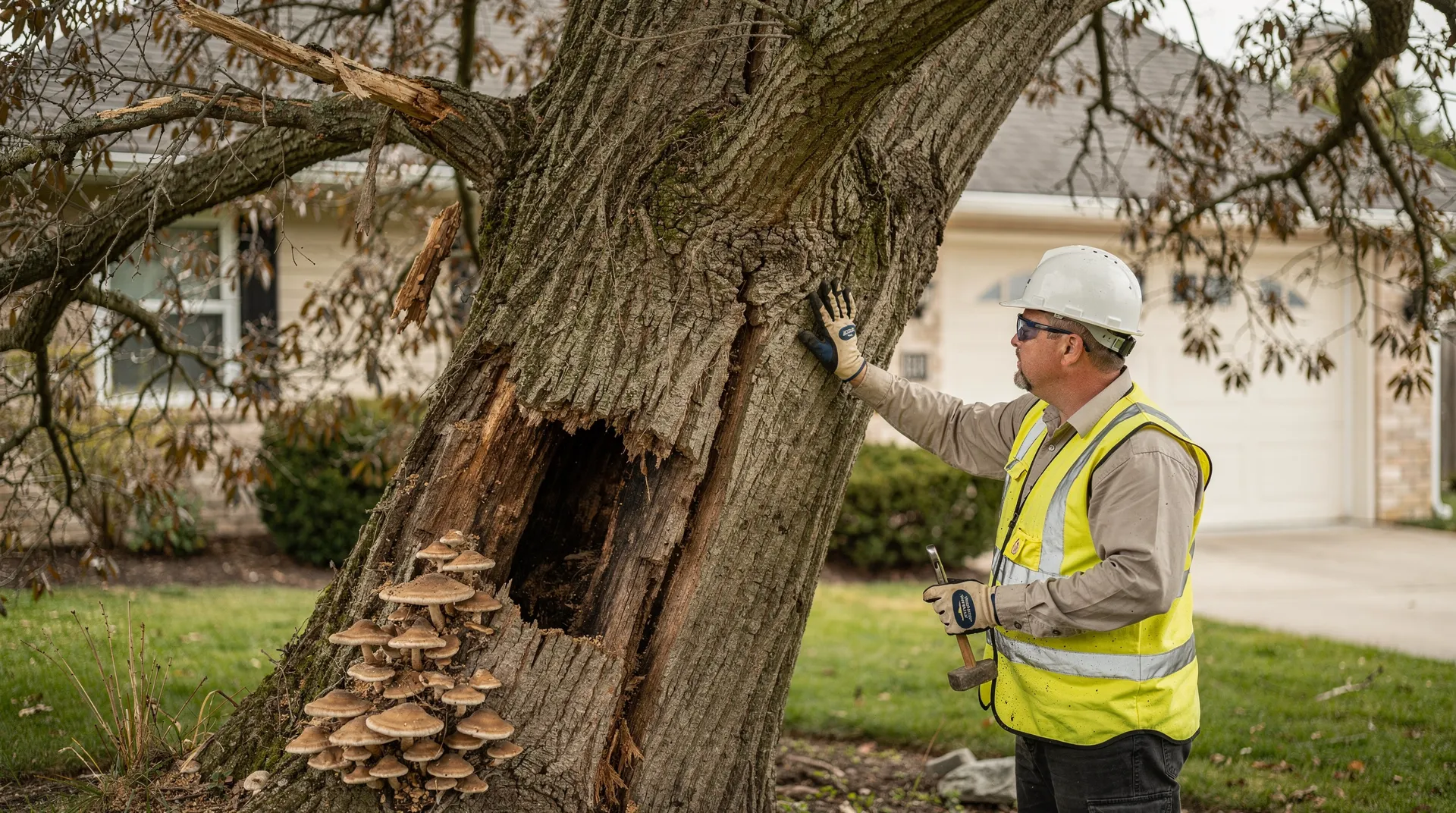
How do I know if my tree needs removal or just trimming? Dead, clearly dying, structurally compromised, or dangerously positioned trees almost always require full removal rather than trimming. Trimming addresses living branches; removal addresses a tree that poses an irreversible threat to property or safety.
Several conditions make removal the only responsible course of action:
- Dead or clearly dying trees — A tree that has lost the ability to sustain living tissue cannot be rehabilitated through pruning alone.
- Trees planted in the wrong location — Root systems encroaching on foundations, utilities, or drainage infrastructure create compounding damage over time.
- Trees in the way of construction or essential access — Structural conflicts with buildings, driveways, or power lines demand removal, not reduction.
- Severe structural failure — Split trunks, extensive decay, or a pronounced lean toward a structure signal that the tree is beyond preservation.
What Happens If a Hazardous Tree Is Left Standing?
Leaving a hazardous tree in place transfers risk directly to your property and anyone nearby. A structurally compromised tree does not stabilize on its own — deterioration accelerates. The window for a controlled, safe removal narrows with every storm season.
How Does Panorama Tree Care Handle Difficult Removals?
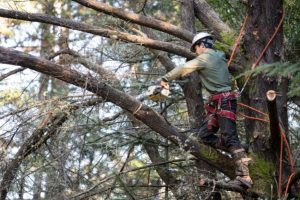
Our ISA-Certified Arborists perform safe, efficient removal of dead and hazardous trees using advanced crane technology. Zero-impact rigging methods that protect surrounding structures and landscaping. Panorama Tree Care owns its own grapple trucks, 75-foot bucket lifts, and commercial stump grinders. Owning that equipment — rather than relying on third-party rentals. Guarantees rapid deployment when a hazardous situation demands an immediate response. Speed and precision, backed by more than 25 years of experience across Tampa Bay, are what protect your property when a tree cannot be saved.
When Does Trimming Solve the Problem Instead?
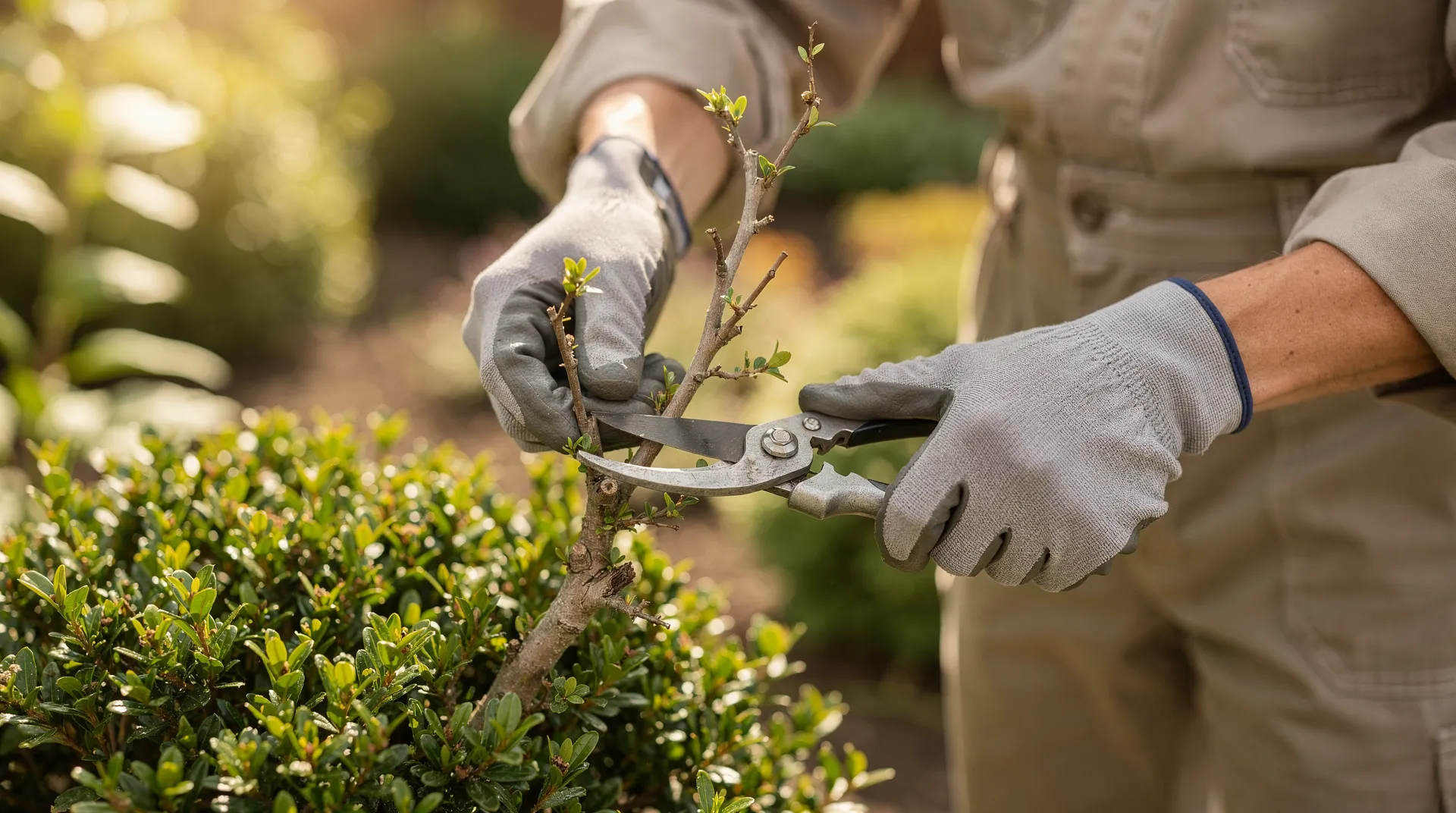
Trimming solves the problem when a tree’s core structure remains sound but specific branches are creating hazards, crowding, or disease pressure. A healthy trunk with isolated problem branches is a strong candidate for pruning — not removal.
Removing dead, dying, or damaged branches through professional trimming significantly reduces the risk of property damage. Enhances the safety of your outdoor space. Targeted pruning also improves tree structure, controls size, repairs storm damage. Provides clearance for structures and traffic — all without losing the tree entirely.
What visible signs tell you trimming is the right call?
Our ISA-Certified Arborists look for four key indicators during an assessment:
- Damaged or broken branches that pose a drop risk but leave the trunk intact
- Overgrown or crossing branches that create friction wounds and structural weakness
- Signs of disease or pest infestation confined to specific limbs, not the root system or main trunk
- Water sprouts — fast-growing, weakly attached shoots emerging from the main trunk or scaffold branches
When these conditions appear in isolation, strategic pruning addresses the hazard while preserving the tree’s long-term value.
Does storm damage always mean a tree must come down?
Not necessarily. Storm damage that breaks or splits individual limbs. Without splitting the main trunk or compromising the root plate — is often correctable through skilled pruning. Panorama Tree Care offers professional trimming as part of a full range of tree care services across Tampa Bay. Our arborists evaluate each storm-damaged tree individually before recommending removal.
Trimming is the right answer more often than homeowners expect. The key is an accurate diagnosis before any work begins.
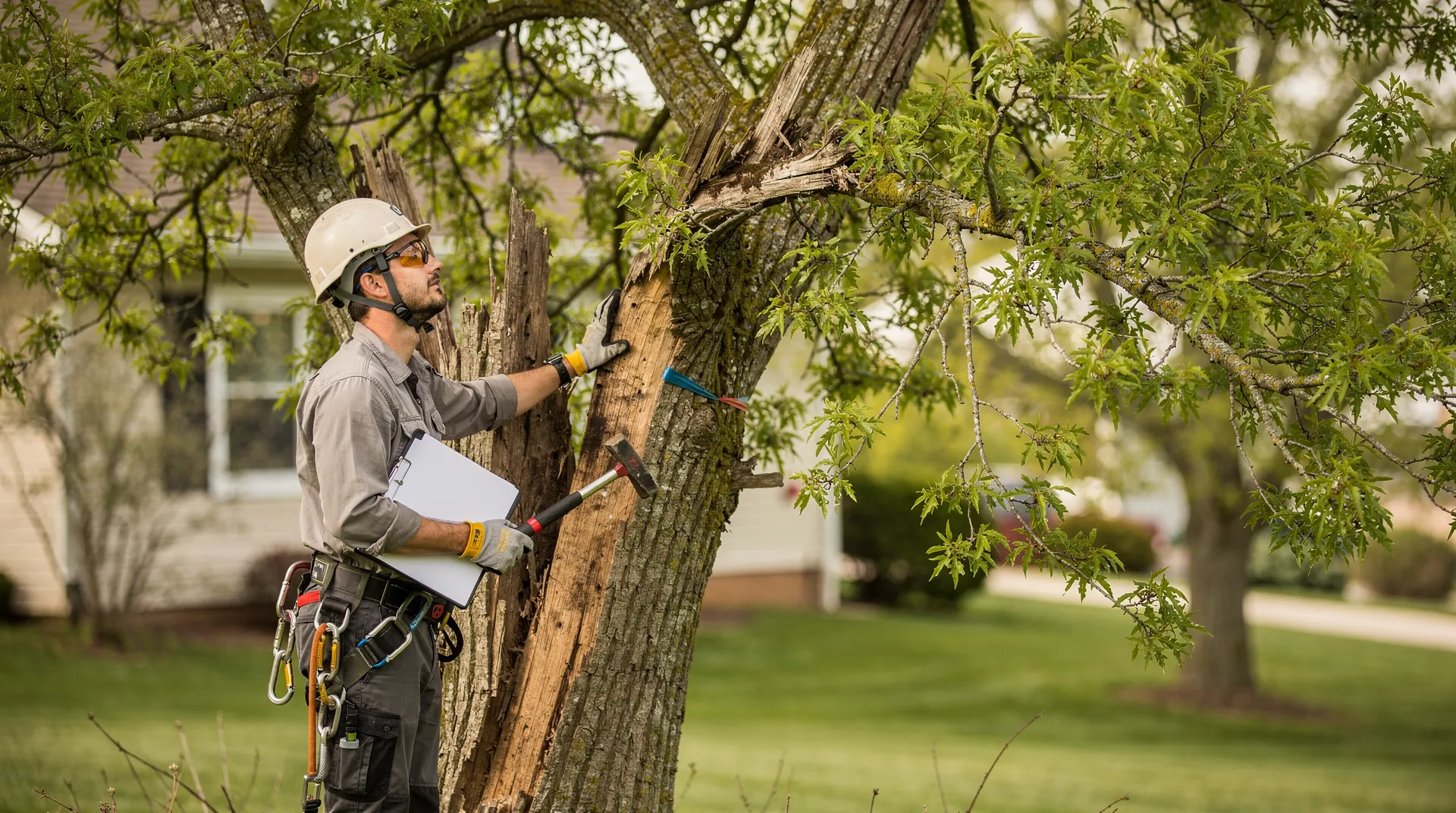
How Do Arborists Assess Removal vs. Trimming?
**** Certified arborists answer that question by evaluating four core factors: species, age, health, and location. No two trees present the same risk profile, which is why a structured, on-site inspection is the only reliable path to the right recommendation.
Our ISA-Certified, TRAQ-qualified arborists at Panorama Tree Care bring a standardized risk-assessment framework to every inspection. TRAQ — Tree Risk Assessment Qualification. Is a credential that equips arborists to quantify hazard levels and match them to appropriate interventions. That technical foundation is what separates a professional assessment from a neighbor’s opinion.
What factors determine whether a tree needs trimming or full removal?
Species and age shape how aggressively a tree grows and how it responds to pruning. A young, structurally sound tree with dead or crossing branches almost always benefits from targeted trimming. An older specimen showing significant structural decay, root failure. Irreversible disease often warrants removal — because trimming addresses symptoms, not the underlying hazard.
Location matters just as much. A tree leaning toward a structure carries a different risk calculation than the same tree in an open yard.
What happens after an arborist completes the assessment?
After completing the inspection, our team delivers a binding written estimate that defines the exact scope of work. Whether that means selective pruning, full removal, or stump grinding. The price quoted is the price you pay; no hidden fees, no mid-job upsells.
Panorama Tree Care aims to respond to all inquiries within 24 hours. Can typically schedule an on-site assessment within 2–3 business days.
What Should Tampa Bay Homeowners Do Next?
Tampa Bay homeowners facing an uncertain tree situation need a certified arborist’s assessment before making any removal or trimming decision. Delaying that evaluation puts structures, vehicles, and family members at risk — especially during Florida’s active storm season.
Panorama Tree Care has completed over 24,000 projects across Hillsborough, Pinellas, Manatee, and Sarasota Counties. That depth of field experience means our ISA Certified Arborists have evaluated virtually every tree condition Tampa Bay’s climate produces. From hurricane-fractured live oaks to root-compromised palms pushing against foundations.
How Do I Know if My Tree Needs Removal or Just Trimming?
A tree that shows isolated dead branches, crossing limbs, or uneven canopy growth typically responds well to professional trimming. Removal becomes the right call when structural defects compromise the trunk, when root damage destabilizes the tree’s base. When disease has progressed beyond recovery. Our ISA Certification (FL-9569A) and ANSI A300 compliance ensure every recommendation follows the highest industry standards — not guesswork.
What if the Tree Looks Dangerous Right Now?
Do not wait for a scheduled appointment when a tree poses an immediate hazard. Panorama Tree Care provides 24/7 emergency response for exactly these situations. A leaning trunk, a cracked major scaffold limb. A tree that has already made contact with a structure all warrant an urgent call.
Panorama Tree Care holds an A+ rating from the BBB, reflecting more than two decades of accountable, safety-first service across the Tampa Bay region. Call our team to schedule a professional assessment and protect your property before the next storm arrives.
FAQ
Does a leaning tree need removal or just trimming?
A progressive lean signals compromised root or trunk structure that trimming does nothing to fix. Removal is the appropriate course of action.
What conditions make full tree removal necessary?
Dead or dying trees, trees planted in the wrong location. Trees in structural conflict with buildings or power lines all require complete removal, not trimming.
When should I call a professional arborist to assess my tree?
Call an ISA-Certified Arborist when you notice a visible trunk lean, soil heaving near the base, sudden canopy dieback. Proximity to structures and power lines.