TL;DR: In Florida, smart hurricane tree preparation starts long before the first tropical wave shows up on the news.
Get a Florida certified arborist on your property by late spring, prune to ANSI A300 standards, support weak unions with proper cabling, and clear the “strike zone” around your house.
Done right, your trees are more likely to bend and shed small branches instead of snapping, uprooting, and tearing into your roof when the canopy is left intact.
Key Takeaways
- Florida’s sandy, disturbed soils, high water table, and a ton of weak‑wood species mean trees here fail in hurricanes faster than most homeowners expect.
- Our main hurricane window runs June 1–November 30, with the real trouble usually from August–October. The heavy lifting for pruning and cabling should be wrapped up March–May.
- Live Oaks and Southern Magnolias have high wind resistance when maintained correctly. Laurel Oaks and Sand Pines tend to be early casualties, by uprooting or snapping.
- ANSI A300-compliant crown thinning, cabling codominant stems, and removing dead wood are the backbone of solid hurricane tree damage prevention.
- Don’t cram in last‑minute aggressive pruning in June or later. Big fresh cuts are slower to seal, more prone to decay, and vulnerable to storm-driven pathogens.
- After a storm, sort damage into basic categories (lean, root plate failure, crown loss) and call a Florida certified arborist. DIY chainsaw work on storm‑stressed wood is how people get hurt.
- Panorama Tree Care runs a structured pre‑hurricane prep program and gives existing clients priority for post‑storm assessments and emergency work.
- Folding a tree plan into your household hurricane checklist reduces roof punctures, blocked driveways, smashed fences, and expensive middle‑of‑the‑night removals.
What Is Hurricane Tree Preparation?
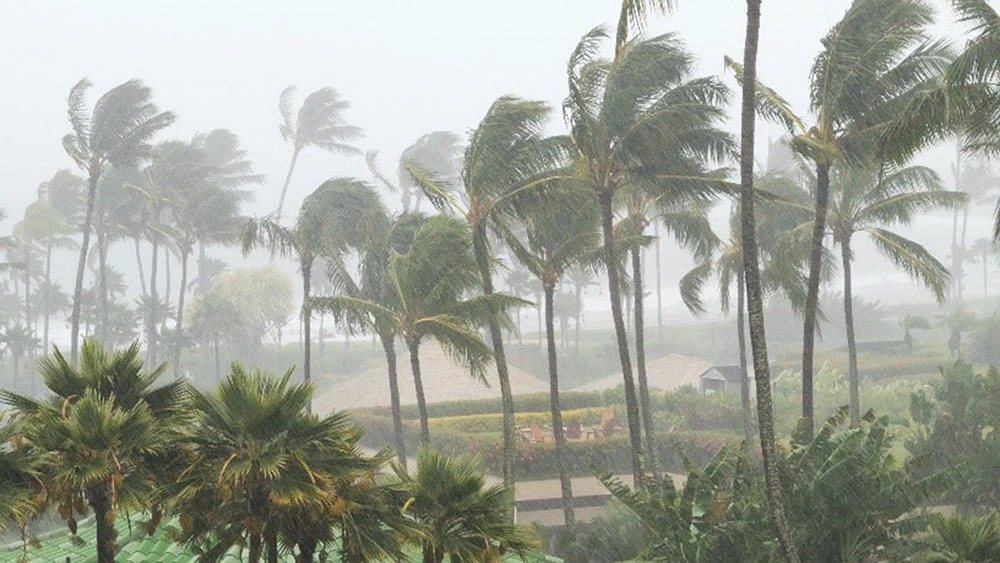
Hurricane tree preparation means getting your trees ready before storm season, so they’re less likely to snap, uproot, or punch holes in things you care about.
For Florida, that usually involves ISA-certified inspections, ANSI A300 pruning, cabling weak unions, checking root plate stability, and planning how you’ll deal with debris and post-storm assessment. Done early and correctly, it turns random tree failure into managed, predictable risk.
Why Florida Trees Are Uniquely Vulnerable to Hurricanes
Our trees don’t grow in textbook conditions. Florida’s sandy, shallow soils, high groundwater, and a canopy full of problem species mean our urban forest is built on a weak foundation. We also haven’t taken a direct Cat 3+ hit in more than a hundred years, which tricks people into thinking their trees are tougher than they really are.
Sandy soils and weak root anchoring
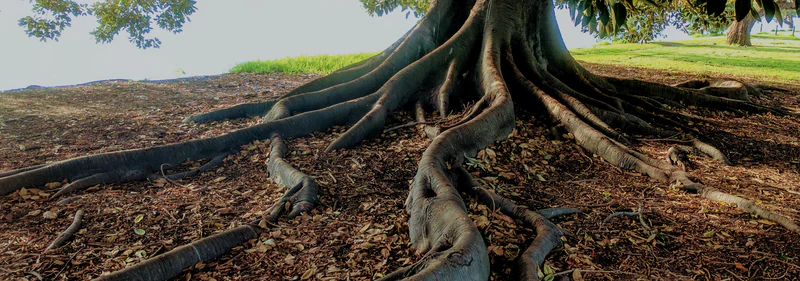
Most neighborhoods around Florida, St. Pete, and Clearwater sit on coastal plain sand or fill. From a root’s point of view, that’s like trying to anchor in sugar instead of clay. These soils:
- Provide less friction for roots compared to heavier clays, so roots slip easier once the wind leans the tree.
- Encourage shallow root systems, especially where irrigation is light and frequent, training roots to stay near the surface.
- Lose holding power quickly when saturated by multi‑day rain bands ahead of and during a hurricane.
Once that sand is saturated, the root plate stability threshold drops fast. You’ll see perfectly “healthy‑looking” trees just roll over, root plate and all, like someone kicked their feet out from under them.
High water table and soil saturation failure
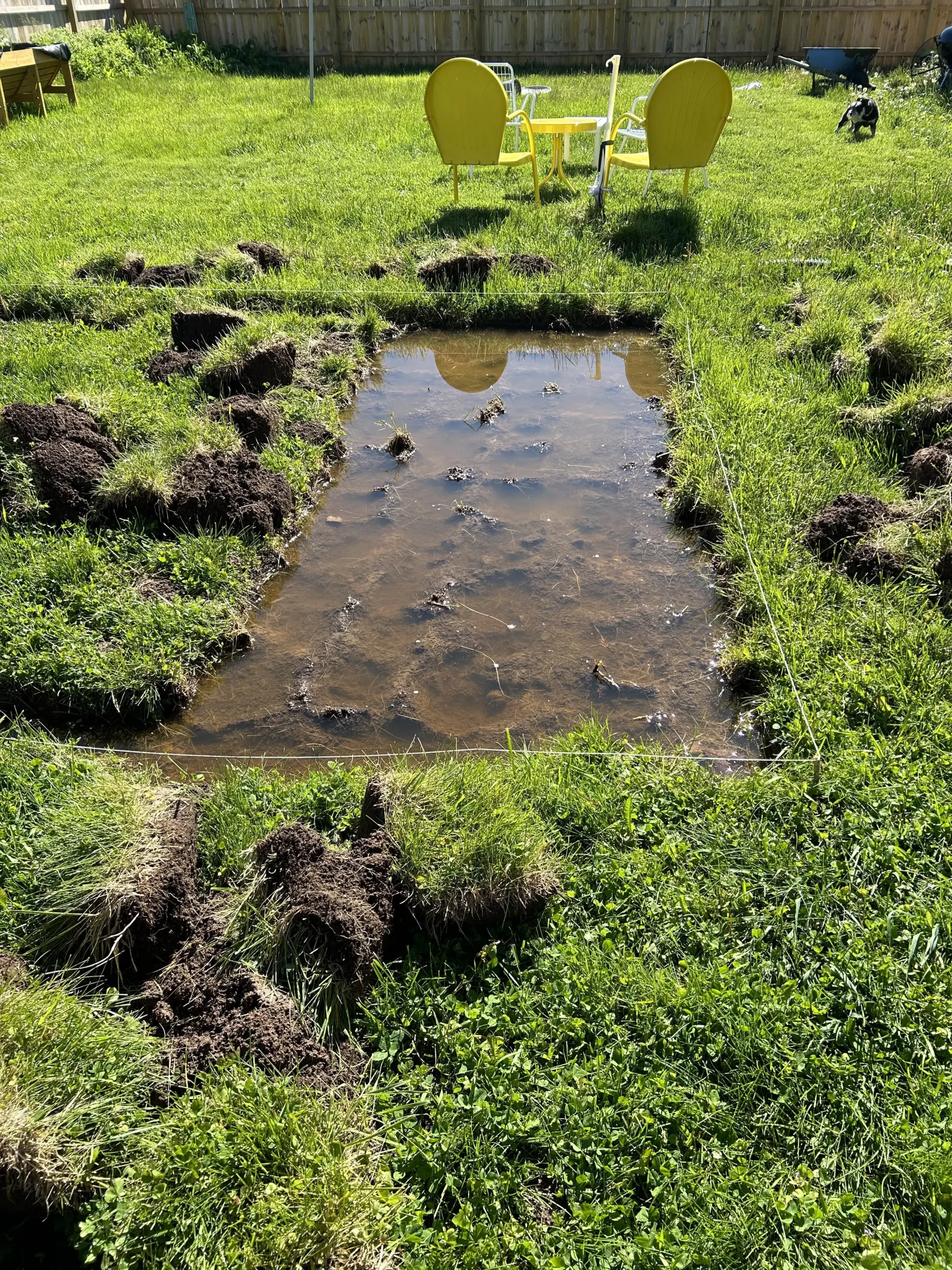
Much of Hillsborough, Pinellas, and Pasco sits on a high water table. Dig a fence post and you’ll see it. During a storm, heavy rain pushes the soil toward a soil saturation failure threshold where:
- Pore spaces in the soil fill with water and drive out the air the roots need to function.
- Roots lose mechanical grip, so they shear right out of the soil under load.
- Shallow-rooted species like Sand Pine and many ornamentals uproot at wind speeds that wouldn’t faze a well‑anchored Live Oak.
That’s why a tree that seems rock solid in April can suddenly fold over in September. The problem isn’t always the wood. It’s the soup it’s growing in.
Dominant species with known failure patterns
If you walk a typical Florida subdivision, you’ll see the same cast of characters. And many of them don’t behave well in hurricanes:
- Laurel Oak – Grows quick, looks full, but the wood is brittle and short‑lived. Often has included bark weak unions where limbs meet, so trunks split and big limbs peel off in high winds.
- Sand Pine – Built for scrub, not front yards. Very shallow roots in our sands. Uprooting and trunk snap are common in strong storms.
- Queen Palm – Can do ok in moderate wind, but when they’re planted too deep or allowed to sit in poor drainage, they’ll topple or drop the whole crown.
On the flip side, Live Oaks and Southern Magnolias have strong structural wood and much lower codominant stem failure rates when they’re pruned correctly and not butchered by topping or lion‑tailing — that’s why live branches protect against storms.
The 100+ year major hurricane gap = false security
The National Hurricane Center points out that Florida hasn’t taken a direct hit from a Category 3 or larger storm in over a century. People hear that and relax. That’s a problem.
- Older, poorly maintained trees have only dealt with glancing blows and tropical storms, not a direct sustained beating.
- Homeowners start thinking, “It’s been fine for decades, that tree’s solid,” without realizing decay and root issues can stay hidden for years.
- Pruning gets deferred, removals get postponed, and small problems grow into big structural weaknesses.
Hillsborough County Emergency Management keeps reminding folks that our wind and storm surge risk is still high. Meanwhile, our urban forest quietly ages out. The combination of older trees, poor soils, and long gaps between big tests is exactly how you end up with a lot of unexpected failures in the next serious hurricane.
Florida Tree Species Vulnerability Chart (Which Trees Fail First)
Not all trees are built the same. Some are close to storm-proof trees Florida style, others are more like ticking time bombs pointed at your roof. Knowing what you’ve got in your yard is the first step in learning how to prepare trees for hurricane season in a smart, prioritized way.
Quick ranking: Live Oak (high resistance), Southern Magnolia (high), Queen Palm (moderate), Laurel Oak (low), Sand Pine (very low).
The table below gives you a simple way to compare your main yard species. Use it as a starting point, then layer in age, condition, and past maintenance.
| Species (Common) | Native Tree Wind Resistance | Primary Failure Mode | Root Depth in Florida Soils | Recommended Pruning Cycle |
|---|---|---|---|---|
| Live Oak | High | Branch shed under extreme load | Moderately deep, wide-spreading | Every 24–36 months |
| Southern Magnolia | High | Occasional branch snap | Moderate, well-anchored | Every 36 months |
| Queen Palm | Moderate | Whole tree topple or crown failure | Shallow to moderate | Annually (fronds & seed cleaning) |
| Laurel Oak | Low | Trunk split, major limb drop | Moderately shallow, decay-prone | Every 18–24 months |
| Sand Pine | Very Low | Uprooting or trunk snap | Very shallow | Every 18–24 months (or removal) |
High Resistance Species
These are your workhorses. If you’re trying to build a yard full of storm-proof trees Florida style, start with these, give them room, and maintain them the right way.
Live Oak (High)
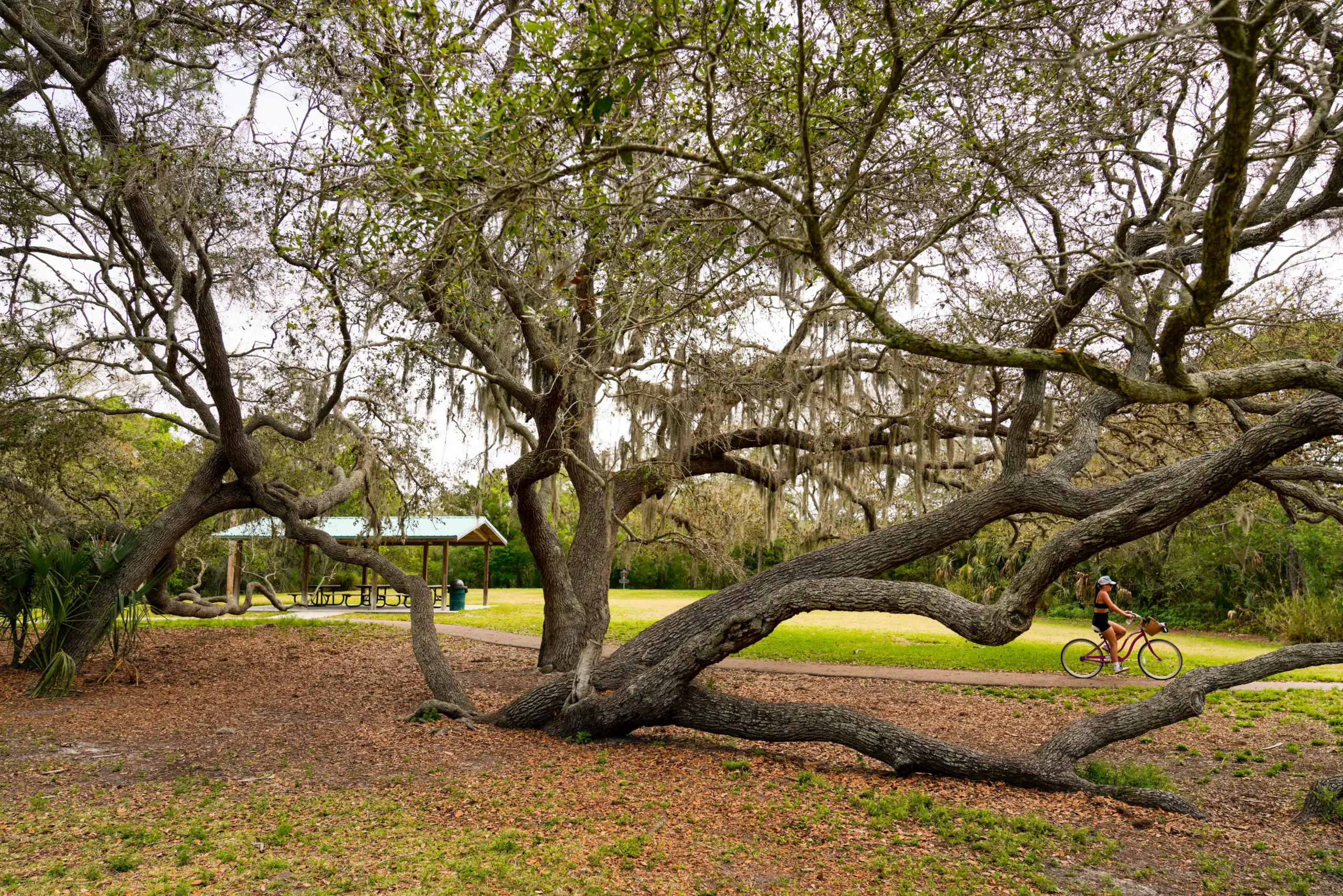
- Wind resistance rating: High
- Typical failure mode: Drops small to medium branches in extreme wind, usually to protect the main structure.
- Strengths: Dense, strong wood, wide low crown, and a broad, tough root plate that ties into the soil well.
- Risks: Aggressive crown lifting, topping, or cutting interior branches out can leave long, weak limbs that are far more likely to fail.
With Live Oaks, good crown thinning for wind resistance is all about balance. You’re aiming to open the canopy enough that wind can pass through without turning the tree into a sail, but not so much that you create whippy, overextended branches. The best Live Oaks I see after storms are the ones that were pruned regularly and never topped.
Southern Magnolia (High)
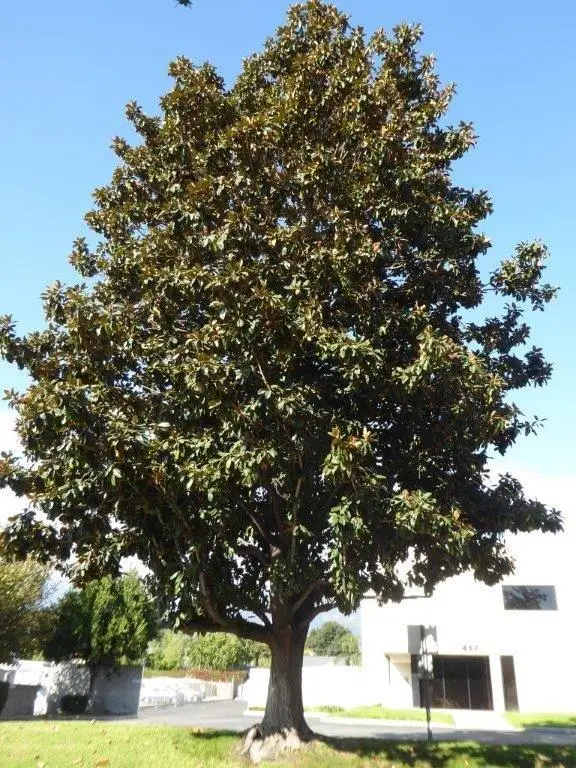
- Wind resistance rating: High
- Typical failure mode: Occasional branch snapping, but full uproots are rare in decent soil.
- Strengths: Strong central leader, compact evergreen canopy, and generally good natural structure.
- Risks: Planting too deep, piling mulch against the trunk, or poor drainage around the root collar can weaken the base and invite decay.
In practice, Southern Magnolias don’t need heavy structural work. They just need proper planting depth, sane mulching, and the occasional clean‑up pruning. If they’re crowded under bigger trees or jammed next to structures, that’s where they start running into trouble.
Moderate Risk Species
Queen Palm (Moderate)
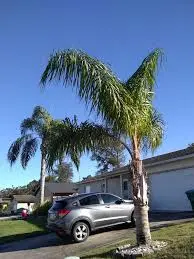
- Wind resistance rating: Moderate
- Typical failure mode: Whole tree toppling in saturated soil or crown snapping off at the top.
- Strengths: Flexible trunk, and in good conditions they actually hold up better than people think to mid‑range storms.
- Risks: Shallow planting, root rot from overwatering or bad drainage, and heavy seed loads that add unnecessary weight.
Pre‑storm, your focus with Queens should be on cleaning dead fronds and knocking off those heavy seed clusters. Avoid “hurricane cuts” where somebody strips almost all the green fronds off. That look might be popular in some neighborhoods, but it actually weakens the palm and can shorten its life.
High Failure Rate Species
Laurel Oak (Low Resistance)
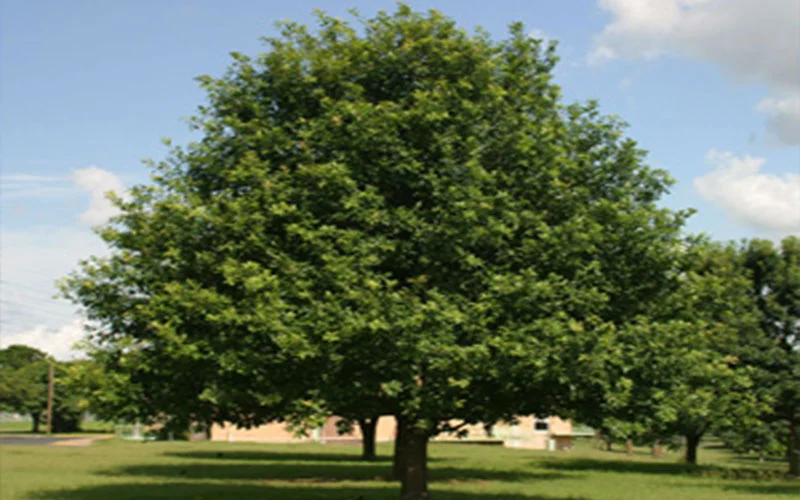
- Wind resistance rating: Low
- Typical failure mode: Trunk splits down the middle or major limb breakage over targets like roofs, driveways, and streets.
- Structural issues: Common codominant stems, lots of included bark weak unions, and internal decay that’s hard to see until it fails.
- Risk factor: Many Laurel Oaks around Florida are 40–60+ years old, which is beyond the safe service life for this species in our conditions.
Laurel Oaks next to homes, pools, or driveways often warrant a hard conversation. Aggressive structural pruning and cabling can buy some time, but you still may be better off planning a removal and replacement instead of waiting for a hurricane to make the call for you.
Sand Pine (Very Low Resistance)
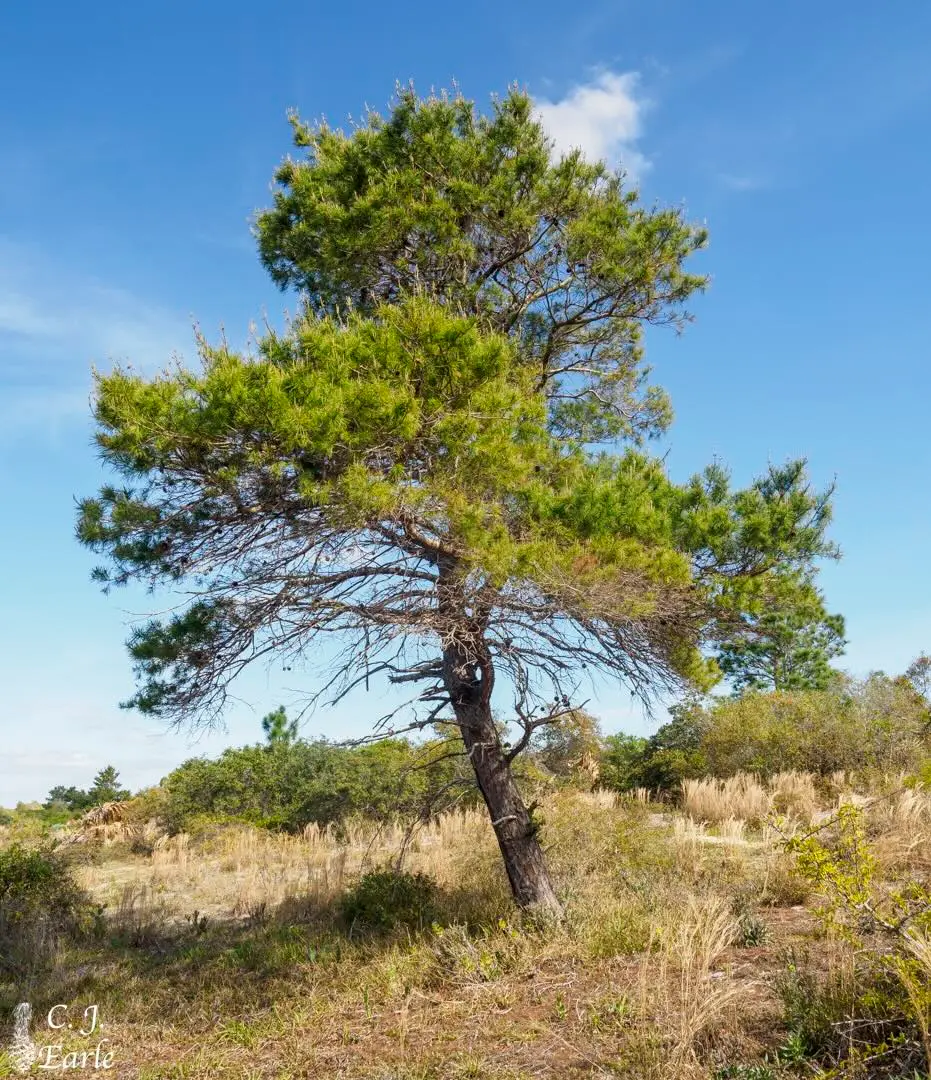
- Wind resistance rating: Very low
- Typical failure mode: Uprooting in saturated sandy soils or the trunk snapping off partway up.
- Rooting: Extremely shallow in Florida sands, with very little lateral spread compared to stronger species.
- Best practice: Avoid planting near structures, sheds, and play areas. In many yards, a phased removal and replacement plan is the safest route.
Sand Pines are fine in the scrub where they belong. In a front yard near a house or power line, they’re one of the first trees I flag for long‑term removal in a hurricane prep plan.
Expert insight often missed: A mediocre species that’s young, well-pruned, and well-rooted can outperform a “good” species that’s over-mature and neglected. I’ve seen small, well-kept ornamental trees stand tall while massive, rotted Laurels lose half their crown. So don’t just count species. Look at age, defects, and the maintenance history too.
Hurricane Tree Prep Checklist: 6 Steps Before Storm Season
Florida hurricane tree prep is like prepping a truck for a long off‑road trip. You don’t start the day before you leave. You build a plan and knock it out in stages. Rushing everything the week a cone appears on TV is how people overspend and still end up with broken trees.
Quick overview: From March–May, get a professional inspection, thin crowns to cut wind sail, cable weak unions, purge dead wood, assess roots and soil, and clear the debris zone around your structures.
Step 1 — Schedule ISA Inspection (March–May)
The smartest first move is a good set of eyes on your trees. An ISA Certified Arborist can spot things most homeowners will miss standing right under a tree.
- Hire an ISA Certified Arborist who follows the ISA storm preparation standard and brings real Florida experience, not just generic advice.
- Book your inspection for March–May, before the Florida hurricane season officially starts June 1.
- Ask for a written report that flags:
- Structural defects like cracks, cavities, and problematic codominant stems.
- Species and age concerns, such as over‑mature Laurel Oaks or declining Sand Pines.
- Conflicts with roofs, power lines, AC units, pools, and primary access routes.
While you’re at it, pull up your evacuation zone and storm surge maps through Hillsborough County Emergency Management or your county’s site. That tells you where water is likely to collect and how tree failures could impact escape routes, not just the house itself.
Step 2 — Crown Thin for Wind Reduction
Crown thinning for wind resistance gets misunderstood all the time. You’re not trying to hack the tree down to a skeleton. You’re shaping it so wind flows through it instead of grabbing and twisting the whole mass.
- Canopy reduction target: On most established trees, crown reduction pruning aims to remove no more than 15–25% of live foliage in one visit.
- Wind sail reduction: Done right, that level of thinning typically gives you around 15–30% wind sail reduction, which is a big deal in a serious blow.
- Branch removal diameter limit: ANSI A300 recommends keeping cuts under about 4 inches in diameter when you can, because big wounds are slower to seal and more prone to decay.
- Pruning standard: All pruning should follow the ANSI A300 pruning standard. That means no topping, no lion‑tailing, no stripping all the interior growth, and no extreme over‑lifting just to get branches off your lawn.
On cost, homeowners usually see a range. A single medium shade tree might run a few hundred dollars for A300-compliant thinning.
Large Live Oaks hanging over roofs or driveways, especially if they need rigging or traffic control, can go much higher. The best approach is a written estimate for the entire property based on risk and priority areas, not random “per tree” quotes — and ask specifically about crown reduction for storm prep on the trees most exposed to wind.
Step 3 — Cable Weak Unions
Trees with big codominant stems are like a Y‑shaped wrench trying to split under load. Add included bark weak union in that crotch and you’ve got a known failure point when the wind cranks up — which is exactly where pre-hurricane cabling installation earns its keep.
Codominant stem cabling basics:
- Cable placement height: Usually about 2/3 of the distance from the union to the top of the tree, so the supports actually brace the leverage where it counts.
- Hardware types: Galvanized steel cables or modern high‑strength synthetic systems, selected and sized based on span, load, and species.
- Inspection interval: Every 12–36 months, since trees grow, hardware settles, and anchors can loosen.
- Failure prevention rate: Proper cabling can cut the odds of a catastrophic split by roughly 50–80% for many structural defects.
- Typical Florida cost: Anywhere from $400–$1,200+ per tree, depending on height, the number of cables, and how hard the tree is to reach with gear.
DIY cabling is a bad idea. I’ve seen homeowners drill the wrong spots, pick the wrong cable size, or install hardware so tight the tree starts to fail below the cable. Hire someone who does tree cabling installation routinely and ask them to walk you through how many stems they’re tying together and why.
Step 4 — Remove Dead Wood & Hangers
Dead limbs are the low‑hanging fruit of hurricane tree damage prevention. They’re already halfway to the ground, all the wind has to do is finish the job.
- Clear all deadwood larger than about 1–2 inches across, especially over homes, driveways, sidewalks, and play areas.
- Track down and remove “hangers”, which are broken branches that got lodged up in the crown and will come down later, usually at the worst moment.
- Look at long, overextended limbs hanging over roofs, parking areas, or decks, and use proper reduction cuts to shorten them back, not blunt stubs that just rot.
On older Live Oaks, Maples, and Laurels, this deadwood clean‑up alone can dramatically cut the number of loose projectiles flying around your yard during a storm. It’s often one of the best returns on your tree care dollars.
Step 5 — Inspect Root Collar & Soil
Most catastrophic failures in hurricanes start underground. You’ll see a healthy‑looking trunk on its side with a root plate popped up like a flipped pancake. That’s why a root collar and soil check should be part of every pre‑season plan.
- Root collar inspection: Expose the flare at the base of the trunk and inspect for:
- Girdling roots that circle or press against the trunk, choking the tree over time.
- Decay, cavities, soft spots, or fungal conks that indicate internal rot.
- Signs of past movement like cracks in nearby soil, lifted turf, or old heave lines.
- Soil conditions: Make note of:
- Areas that hold water for days after rain, which point to chronic saturation.
- Compacted zones from parking, heavy equipment, or storage under the tree.
- Recent grade changes, fill soil over roots, or cut-and-fill work close to trunks.
Trees on slopes, near seawalls, canals, or retention ponds can lose root plate stability faster under storm surge or extreme runoff. Those deserve extra scrutiny and sometimes a shorter leash for removal decisions, especially any visibly leaning tree before hurricane season hits.
Step 6 — Clear Debris Zone Around Structure
Even a well‑prepped tree will shed some material in a big storm. The trick is making sure what falls has nowhere critical to land. That’s where a basic debris management plan comes in.
- Map out the “debris zone” for each major tree. Picture where branches or the whole tree could realistically fall based on height and lean.
- Move vulnerable items out of those zones, such as:
- Patio furniture, grills, loose decor, and planters that can smash windows.
- Vehicles that usually live under sketchy branches or older Laurels.
- Playsets, trampolines, sheds, or dog runs tucked under high‑risk trees.
- Coordinate with your arborist to:
- Prune or shorten overhanging limbs above roofs, driveways, pool cages, and power drops.
- Set a plan for where you’ll stage storm debris for pickup, so you’re not blocking your driveway or piling it in a low spot that will flood.
Under‑discussed tip: Don’t pre‑cut limbs and stack them against fences, lanais, or sheds before a storm. In hurricane winds, those piles can shift and hit the structure harder than a single falling branch would have.
When to Prune Before Hurricane Season in Florida (Timing Window)
For Florida, the sweet spot for hurricane tree preparation is March through May. That gives you warm weather for healing, but enough time for trees to compartmentalize wounds before peak Florida hurricane season from August to October.
Why March–May is the sweet spot
- Spring temperatures are easier on stressed trees than late‑summer heat, so they bounce back quicker after pruning.
- Rising sap flow and active growth help pruning cuts seal faster and fend off decay organisms.
- You’ve got breathing room to do follow‑up work if the first inspection turns up hidden structural problems you want to fix before peak season.
Why June or later is risky for heavy pruning
- Hurricane season is already in play. You might not finish work before a system forms in the Gulf or Caribbean.
- Fresh, large pruning wounds in summer humidity attract storm-driven pathogens and decay fungi more readily.
- Pulling a lot of foliage off a tree right before the strongest winds of the year hit it can stress the tree, reduce root support, and in some cases make it more vulnerable.
Light clean‑up work like clipping a few dead twigs or improving clearance over sidewalks is usually fine early in the season. But structural pruning, big reduction cuts, and new cabling should be on the books for late spring, not mid‑summer, whenever you have the choice.
For long‑term planning outside hurricane concerns, talk with a local pro or check a regional guide on the best time for tree pruning in Florida. Hurricane advice is just one layer on top of normal tree biology and seasonal timing.
Post-Hurricane Tree Assessment: What to Do After the Storm
After the storm passes, your trees may look “ok” from the driveway, even if they’re one gust away from failing. A careful post-storm tree assessment keeps you safe, gives you the documentation you’ll want for insurance, and walks you through what to do after a tree falls.
Quick overview: Sort damage into types (lean, split crowns, root plate failure, crown loss), treat anything near power or structures as dangerous, photograph the situation before touch‑up, and get pros involved instead of rushing in with a saw.
Post-hurricane tree damage classification (Levels 1–5)
Arborists often think in damage levels to decide what to save and what to cut. Here’s a simplified version to help you understand their calls and talk in the same language.
| Damage Level | Description | Lean Angle Threshold | Root Plate Exposure | Crown Loss % | Salvage Feasibility |
|---|---|---|---|---|---|
| Level 1 | Minor twig and small branch loss | < 5° | 0% | < 10% | Yes |
| Level 2 | Moderate branch breakage, no trunk damage | < 10° | < 10% of circumference | 10–25% | Yes |
| Level 3 | Large limbs lost, partial crown failure | 10–20° | 10–25% | 25–50% | Case‑by‑case |
| Level 4 | Severe crown loss or partial uprooting | 20–30° | 25–50% | 50–75% | Usually no |
| Level 5 | Catastrophic failure / full uprooting | > 30° | > 50% | > 75% | No |
Damage You Can Recover From
Not every damaged tree needs to go. Some just need time and careful corrective work.
- Minor leans (< 10°) with no signs of the root plate cracking or soil heaving can often be left as‑is and monitored, especially on flexible younger trees.
- Broken branches where you can cut back cleanly to a lateral limb or trunk, following ANSI A300 standards, usually heal well.
- Partial crown loss (< 25–30%) on otherwise solid trees can often be addressed with staged canopy restoration after hurricane damage.
For these “fixable” trees, a good arborist will usually recommend:
- Cleaning up ragged, torn breaks into clean pruning cuts so the tree can seal the wound.
- Planning 2–3 follow‑up pruning cycles to slowly re-balance the canopy instead of hacking it all at once.
- Improving soil with aeration, compost, and proper mulching to help roots rebound from flooding or compaction.
Damage That Requires Removal
Some types of storm damage are simply too severe to trust over a house or driveway. Leaving them becomes a gamble with bad odds.
- Root plate failure: If more than about 25–50% of the root plate is heaved, cracked, or lifted, the tree is usually a removal candidate, even if it’s still partially standing.
- Severe lean: Trees that suddenly lean more than 20–30° from their original position usually have damaged roots and can’t be securely uprighted.
- Major trunk splits: Vertical cracks or deep separations in the main stem are serious, especially in decay-prone species like Laurel Oak.
- Extreme crown loss: If over 75% of the crown is gone, recovery is technically possible in rare cases, but what grows back is often weak, unattractive, and structurally suspect.
Safety priorities and documentation
- Keep a wide distance from any tree tangled in power lines or sitting under a sagging line. Call the utility and wait for their clearance.
- Take clear photos and short videos from multiple angles before you move debris. That record helps with insurance, FEMA claims, and future valuation.
- Call your insurance company early. Many policies expect you to prevent further damage but don’t want you doing major removals before they’ve documented the scene.
Why homeowners should avoid DIY chainsaw work
Storm‑damaged wood doesn’t behave like a normal tree. It’s under weird tension and compression, and that’s where people misjudge cuts and get hurt.
- “Spring‑loaded” branches can snap or whip as the saw releases tension, easily knocking someone off a ladder or pinning them.
- Running a chainsaw from a ladder, roof, or unstable debris pile is one of the leading causes of injuries and deaths right after hurricanes.
- Your insurance may not cover injuries or property damage if something goes wrong during unlicensed, hazardous tree work.
The safer move is to bring in a crew that handles fallen tree emergency response regularly. They’ll have the rigging gear, wedges, lifts, and insurance to do the job without turning your cleanup into another disaster.
How Panorama Tree Care Prepares Florida Properties for Hurricane Season
Panorama Tree Care has built its approach around hurricane resiliency for Florida. The focus is straightforward: science‑based decisions, honest risk talk, and plans that match your budget without ignoring your biggest hazards.
Quick overview: The pre‑hurricane package centers on ISA-certified inspections, species‑specific pruning, targeted cabling, and priority post‑storm response for clients who prepped in advance.
ISA-certified, Florida-focused assessments
- All assessments are led by ISA Certified Arborists who actually work in this climate and use the ISA hurricane preparedness guide and ANSI A300 pruning standard in the field.
- Each major tree is evaluated for:
- Species-specific risk, like Laurel Oak failure trends and Sand Pine vulnerability in your type of soil.
- Structural defects, codominant stems, weak unions, decay pockets, and past topping damage.
- Conflicts with structures, driveways, pool cages, fences, and overhead lines or service drops.
Species-specific pruning and cabling plans
- Live Oaks: Thoughtful crown thinning to improve wind flow and clear structures, while preserving solid scaffold limbs and avoiding over‑pruning.
- Laurel Oaks: Conservative pruning to reduce load, paired with frank discussions about remaining risk and realistic timelines for replacement.
- Sand Pines: Evaluations that lean toward phased removal where they threaten structures, and replacement with hurricane resistant trees Florida homeowners tend to favor, such as Live Oaks or Southern Magnolias.
- Cabling: Design and installation of support systems on high‑value trees with codominant stems, using proper hardware, correct placement heights, and a set inspection schedule.
Pre-hurricane pruning window and inspection timeline
- January–February: Consultations, walk‑throughs, and scheduling so you’re not rushing with everyone else.
- March–May: On‑site inspections, detailed proposals, and completion of structural pruning, thinning, removals, and cabling that you approve.
- June: Touch‑up pruning, minor corrections, and last looks before the peak Florida hurricane season arrives.
Post-storm priority for existing clients
- Homeowners who completed Florida hurricane tree prep through Panorama are placed on priority lists after storms for:
- Rapid safety checks around homes, driveways, and access routes.
- Emergency removals, temporary stabilization, and tarping coordination.
- Longer‑term canopy restoration after hurricane damage has been documented.
Expert leadership – Tony Padgett
Hurricane prep work at Panorama is overseen by Tony Padgett, an ISA Certified Arborist with years of experience getting Florida properties ready for tough storm seasons.
Under his leadership, crews are trained to weigh risk reduction against tree health and your budget. You get clear, practical options instead of scare tactics or one‑size‑fits‑all “cut everything” recommendations.
If you’re already lining up roof inspections, gutter cleaning, or window protection, Panorama can help time the tree work so your whole property is pulling in the same direction before the next storm shows up in the forecast.
FAQ
When should I schedule hurricane tree preparation in Florida?
Plan your main hurricane tree preparation between March and May. That window lets you get a full inspection, structural pruning, and any cabling or removals done before June 1, and gives trees time to recover before the Florida hurricane season peaks from August to October.
How much does professional hurricane tree prep usually cost?
Costs swing a lot based on size, access, and how many problem trees you have. A small property might spend a few hundred dollars on selective pruning. Larger lots with multiple mature oaks, cabling, and a couple of removals can run into the low thousands. The only way to get a real number is an on‑site estimate from a Florida certified arborist who walks the property and prioritizes the work.
Does my homeowners insurance require storm prep or specific pruning?
Most policies don’t spell out pruning rules, but they do expect “reasonable maintenance.” After a storm, adjusters sometimes deny parts of a claim if a tree was clearly dead, neglected, or obviously unsafe beforehand. Keeping records of inspections, invoices, and your hurricane tree prep makes it easier to show you maintained your property responsibly.
Which tree species near my house should I consider removing before a hurricane?
Top candidates usually include over‑mature Laurel Oaks close to structures, Sand Pines with shallow roots within striking distance of buildings or power lines, and any tree with big trunk cavities, strong new leans, or clear root plate instability. A formal risk assessment from an arborist is the best way to confirm which ones truly need to go.
Is it safe to prune or remove my own trees before or after a hurricane?
Light, ground‑based pruning with hand tools is reasonable for many homeowners. Once you’re using chainsaws, climbing, or working around tensioned or storm-damaged limbs, the risk jumps. Post‑storm wood can roll, drop, or whip in ways that surprise even experienced folks. For bigger cuts, removals, or anything overhead, hire a pro with the right gear and insurance.
How quickly can I get emergency help in Florida after a hurricane?
Response times depend on how bad the storm was and how many crews are working. After major hurricanes, reputable companies triage calls for days or even weeks. Clients who completed Florida hurricane tree prep beforehand often get priority post-storm response under their service agreement, which can mean much faster safety checks and removals.
Contact our Florida arborists for a free assessment and estimate.
Are palm trees safer than oaks in hurricanes?
Sometimes, but not automatically. Some palms, like healthy Sabal palms, hold up very well. Queen Palms with root rot or poor planting can topple faster than you’d expect. A well‑maintained Live Oak is one of the most hurricane-resistant trees in Florida, provided it’s never been topped and is kept on a regular ANSI A300 pruning schedule.
Will thinning my trees too much make them safer in a hurricane?
Over‑thinning often backfires. Strip too much foliage and you create long, weak branches and put extra stress on the tree. That can increase failure risk. Stick to ANSI A300 guidelines, which usually limit live foliage removal to about 15–25% per pruning cycle.
What about saltwater from storm surge – can it kill my trees?
Yes. Storm surge salt damage can burn leaves and kill roots, especially on species that aren’t salt tolerant. After a surge event, rinsing salt off leaves and lightly flushing the soil where practical can help. An arborist can tell you which trees might recover and which ones are unlikely to bounce back even with extra care.
Final Summary & Next Steps
Florida’s trees are growing in a tough mix of sandy soils, high water tables, and aging neighborhoods. Add strong hurricanes to that recipe and you get a lot of preventable damage. The upside is that smart hurricane tree preparation, done early, can dramatically lower your odds of dealing with a tree through your roof during the next warning.
Put your focus on:
- Planning ahead with March–May inspections, pruning, and any needed cabling or removals.
- Learning which species on your property are naturally strong and which are known liabilities.
- Insisting on work that follows ANSI A300 and ISA standards so your trees are safer and still healthy.
- Using cabling and bracing on good candidates, not trying to prop up trees that are already past their safe service life.
- Leaving high‑risk and post-storm chainsaw work to insured professionals who handle these situations every year.
If you want to harden your landscape before the next season ramps up, schedule a property walk‑through through Panorama Tree Care’s hurricane-readiness program. One thorough inspection and a well‑planned pruning and cabling strategy can easily pay for itself by preventing roof punctures, blocked driveways, and expensive emergency removals during the next Gulf storm.
For more detail on topics like fallen tree liability or technical tree cabling installation methods, check out the related guides linked throughout this article and build out the rest of your storm-ready plan step by step.