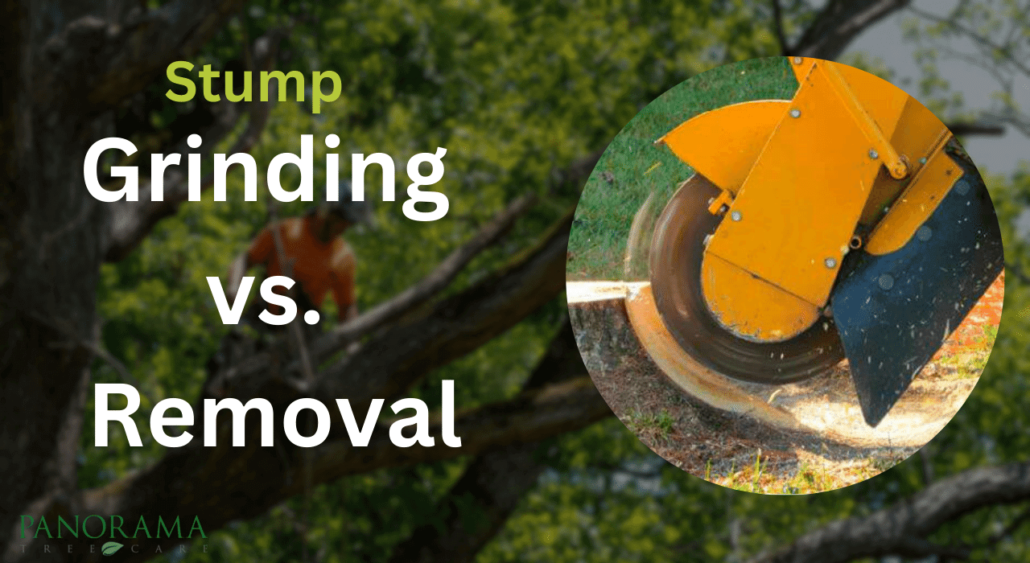
TL;DR: Around Florida, stump grinding is usually the smarter move for most yards. You’re looking at about $2–$5 per diameter inch with a $150–$250 minimum, and it hardly disturbs your lawn.
Full stump removal often runs 3–5 times more and it tears up a big area, but it can be the right call if you’re building, pouring concrete, or dealing with serious root or termite concerns right next to a structure — especially when planning
replanting after stump removal.
Key Takeaways
- Stump grinding chews the stump down about 6–12 inches below the surface and leaves the roots to rot in place. Stump removal rips out the whole root ball, which leaves a big hole that needs proper backfill and compaction before you do anything on top of it.
- in Florida’s sandy, fast‑draining soil, buried roots tend to break down fairly quickly. That makes grinding safer and more practical for standard residential yards, especially if you just want lawn or light landscaping.
- Stump grinding cost in Florida in 2026 usually falls around $2–$5 per diameter inch with a $150–$250 minimum. Expect extra charges if you want all the mulch hauled away instead of left on site.
- Full stump removal cost in Florida typically starts near $300 for small stumps and can push $2,000+ for large or problematic stumps, especially if heavy excavators, tight access, or serious soil compaction work are involved.
- Grind the stump if you want a budget‑friendly, lawn‑friendly outcome. Go with full removal if you’re going to build, pour concrete, or install utilities directly where the stump is sitting.
- A root barrier after grinding can keep new shoots in check while buried roots in Florida’s soil usually fully decompose in 2–7 years. Some minor settling is normal and can be handled by adding topsoil and re‑sodding low spots.
- Florida is a high termite risk zone. Old, wet stumps are a buffet for subterranean termites, so their distance from your home and your monitoring plan both matter.
- Panorama Tree Care’s stump service sends ISA‑certified crews with modern stump grinder machines. They’ll also help you figure out the best approach for replanting after grinding or full removal.
What Is Stump Grinding vs Stump Removal?
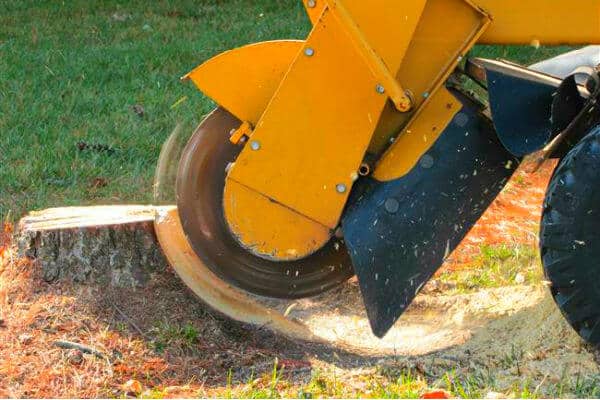
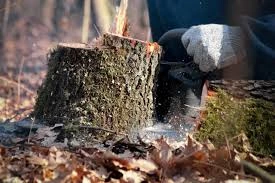
Stump grinding uses a rotating stump grinder machine to eat the stump away bit by bit. The cutting wheel chews the wood into mulch 6–12 inches below grade while leaving the root system buried. Those roots then slowly decay in the soil.
Stump removal (or extraction) uses heavier iron, usually an excavator or backhoe, to yank the entire stump and root ball out of the ground. You’re left with a big, deep hole that must be filled with soil or base material and compacted before you build or replant anything serious over it.
Stump Grinding vs Stump Removal: Key Differences Explained
With stump grinding, the visible part of the stump disappears and the main flare is taken down into the soil, but the lateral roots stay put and rot out over time. If you’re planning
replanting after stump removal, full removal takes the opposite approach. You physically pull the stump and major roots out, which is more invasive and more expensive, but you’re left with a root‑free zone.
On paper both methods “get rid of the stump,” but in Florida’s climate and sandy soils they behave very differently over the next few years. Cost, yard damage, long‑term settling, and your future plans for the area all factor into which one actually makes sense for your property.
Side‑by‑Side Comparison: Tree Stump Grinding vs Excavation
This table gives you a quick feel for how stump grinding stacks up against
stump removal for root damage situations homeowners face.
| Factor |
Stump Grinding |
Full Stump Removal |
| Method |
Stump grinder machine shreds the stump into mulch 6–12 inches below grade, leaving the root system in the ground. |
Root ball excavator or backhoe digs around and pulls out the stump and major roots, leaving a large excavation. |
| Typical Cost (Florida, 2026) |
$2–$5 per diameter inch; $150–$250 minimum; per‑inch rate often drops for multiple stumps. |
$300–$2,000+ per stump, driven by stump size, depth, access challenges, and the amount of backfill/compaction needed. |
| Time on Site |
About 30–90 minutes for most single residential stumps. |
Several hours to a full day to dig, extract, backfill, and rough grade. |
| Yard Impact |
Low yard disruption. You’ll see some mulch piles and light surface scarring where the machine ran. |
Heavy disturbance. Big open hole, machine tracks, and compacted soil in the work zone. |
| Grinding Depth Below Grade |
Commonly 6–12 inches below grade, up to about 18 inches with large grinders. |
Hole depth often reaches 2–4 feet depending on how big and deep the root ball is. |
| Replanting Readiness |
Great for grass and shrubs. For a new large tree, better to offset planting or wait for more decay. |
Best for major re‑use. You can engineer the whole area for new trees, foundations, or utilities. |
| Root Ball Extraction |
No. The main stump and surface roots are gone, but lateral roots remain buried. |
Yes. The main root ball and big lateral roots are removed. |
| Soil Backfill Needed |
Usually just pushing grindings back into the hole and topping with some soil if you want turf. |
Requires significant backfill, often several cubic yards, plus proper mechanical compaction. |
| Best Use Cases |
Cleaning up the yard, removing trip hazards, smoothing mowing lines, and sticking to a budget. |
Prepping for building slabs, patios, driveways, pools, or solving serious root intrusion issues. |
In most Florida neighborhoods, grinding is what you see 9 times out of 10. Full removal is usually pulled out of the toolbox for construction projects, heavy root problems, or special termite or fungus situations right against a structure.
Why Florida’s Sandy Soil Changes the Stump Decision
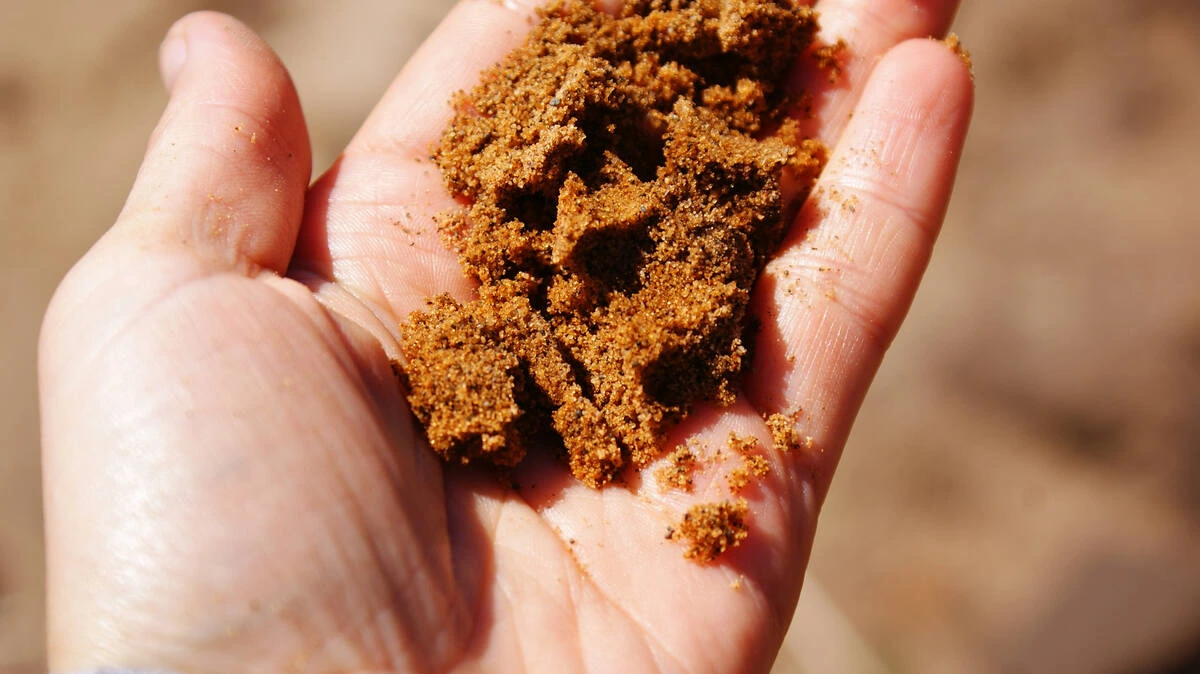
Florida’s sandier ground doesn’t act like the sticky clay you see up in Georgia or the Carolinas. Roots left in sandy soil breathe better, break down faster, and don’t hold water around your foundation as much. But that same loose sand also means that big excavated holes can settle or cave in if they’re not handled correctly.
The
Florida sandy soil profile is a big piece of the puzzle. It changes how fast roots rot, how an extraction hole behaves over time, and how safe you are to build or replant in the same spot later.
Florida Sandy Soil Profile: Why It Matters
Most residential yards around Florida sit on a blend that’s heavy on sand with some loam mixed in. You’ll commonly see something close to a
70–90% sand / 10–30% loam mix. That gives you a few important traits:
- Drainage rate: Water moves fast, often 2–6 inches per hour. Heavy rains soak through quickly instead of sitting on top like they would in clay.
- Root decay rate: Old roots and other buried organic matter usually break down in about 2–7 years, and sometimes earlier for smaller roots. That’s quicker than in tight, poorly aerated soils.
- Settling risk after extraction: High if you pull a big root ball and do a lazy backfill job. Sandy sidewalls slough off and enlarge the cavity, so you end up with more voids to fill and more risk of future dips.
- Preferred compaction method: You want mechanical compaction with a plate compactor or jumping jack. Just kicking dirt into the hole and “letting it settle” is how you end up with sunken patios and cracked slabs.
Because sand drains fast and holds less surface moisture,
roots break down faster than they would in denser soils. That’s why leaving roots in place after grinding is usually a low‑risk way to clean up a yard for basic landscaping.
Why Extraction Can Be Trickier in Sand
Full stump removal in these loose soils looks simple until the digging starts. Then you find out what you are really dealing with:
- Large, unstable holes where sandy walls cave in as you dig, widening the opening and chewing up more lawn than planned.
- Higher backfill volume because the hole keeps getting bigger as the sides fall in, so now you’re hauling in more dirt than you expected.
- Greater settling risk over the next 6–24 months. This matters a lot more under a driveway, patio, or shed than under grass you can regrade.
That doesn’t mean extraction is a bad call. It just means if you’re going to pull the stump in sand, you need to budget for proper
soil backfill, mechanical compaction, and sometimes even a layer of base material if you plan to build over it. For most plain lawn areas or play spaces, grinding the stump and dressing the grade is usually safer, cheaper, and far less hassle.
Stump Grinding Cost in Florida (2026 Pricing)
As of 2026, the going rate for
stump grinding cost in Florida is usually somewhere between
$2 and $5 per diameter inch, with a
$150–$250 minimum service charge just to get the crew and machine out to your property. The final number is driven mostly by stump size, how easy it is to reach, and what you want done with all the mulch that gets produced.
Typical Florida Stump Grinding Price Ranges
Most stump grinding Florida crews price based on the stump’s diameter measured at ground level at the widest point:
- Per‑inch pricing: $2–$5 per diameter inch. For example, a 20″ stump at $3.50 per inch works out to $70 on paper, but minimum charges still apply.
- Minimum charge: $150–$250 to cover travel, fuel, set‑up time, and grinding at least one small or medium stump.
- Multi‑stump discounts: Once you have 3 or more stumps, that per‑inch number often drops by 10–30% because the crew is already set up and working.
Because of the minimum, a single small stump rarely comes in under $150, even if the raw per‑inch math says it should. Where you really see good value is when several stumps are knocked out in the same visit.
Key Cost Factors for Stump Grinding in Florida
Prices can move up or down based on a few practical details most homeowners overlook:
- Stump diameter: Bigger stumps take more passes, eat more teeth on the grinder, and spit out more mulch. That all adds up in labor, wear, and debris volume.
- Grinding depth below grade: The normal spec is 6–8 inches. If you want 10–12 inches to prep for replanting or light pavers, expect a modest upcharge because of the extra time and fuel.
- Access width: If the only way in is a 34″ gate or a tight side yard, the crew may have to use a smaller walk‑behind stump grinder machine. Those are slower, which bumps the price.
- Surface roots: Big lateral roots that sit on or near the surface can double the time on site if you want them all taken down to avoid mower damage.
- Cleanup and haul‑off: Leaving stump grinding mulch in place is cheaper. Hauling that material to a site that meets Hillsborough County debris disposal rules costs in fuel, tipping fees, and labor, so you’ll see it on the quote.
What’s Included in a Typical Florida Stump Grinding Service
A standard stump grinding visit usually covers more than just dropping the cutting wheel on the stump. Most reputable crews will:
- Walk the site and protect windows, siding, nearby plants, and visible utilities from flying chips and contact with the machine.
- Grind the stump to the agreed grinding depth below grade, usually in the 6–12 inch range depending on your goals.
- Rake the mulch back into the hole, shaping a slight mound to account for future settling as the grindings compact.
Some crews include basic cleanup in the base price, others treat it as an add‑on. Always ask whether
cleanup is included and whether they’ll haul away or just pile grindings where you point. Many homeowners keep the
stump grinding mulch as free material for planting beds or around other trees.
If you’re trying to price a tree project that includes both removal and grinding, check the
tree removal and stump grinding add‑on pricing your contractor offers so you see the bundled cost, not just each piece.
EAV Data: Stump Grinding Service (Typical Florida Values)
The table below summarizes typical numbers local crews work with for residential stump grinding in Florida.
| Attribute |
Typical Value (Florida, 2026) |
| Grinding depth (inches below grade) |
6–12 inches, with some larger machines reaching up to about 18 inches |
| Cost per diameter inch Florida (USD) |
$2–$5 per inch |
| Minimum charge (USD) |
$150–$250 per visit |
| Debris volume produced (cubic yards per inch) |
Roughly ~0.01–0.02 cubic yards per inch of stump diameter, depending on tree species and root flare |
| Cleanup included |
Varies by company. Most rake grindings into the hole; haul‑off usually costs extra. |
Full Stump Removal Cost in Florida (2026 Pricing)
Stump removal cost in Florida climbs quickly compared to grinding. Around Florida, full root ball extraction often runs from about
$300 for smaller stumps up to
$2,000+ for large, deep, or complicated stumps. Tight access, root systems tangled with utilities, or the need for engineered backfill and compaction all push the number higher.
Florida Pricing by Stump Size and Complexity
Here’s how pricing usually breaks out by size and difficulty tier:
- Small stumps (up to ~12″ diameter): $300–$600+. These are quick digs but still require equipment, transport, and backfill.
- Medium stumps (13–24″ diameter): $600–$1,200+. Root spread and depth start to increase, and you move more soil.
- Large stumps (25–40″+ diameter): $1,200–$2,000+ depending on root ball depth, species, and how close the stump is to structures or hardscape.
- Complex/root‑damaging stumps: $2,000+ when roots are under driveways, near foundations, or wrapped around utilities. Extra care, time, and restoration work drive the cost.
These figures usually include the
root ball excavator or backhoe, pulling and stockpiling the stump, rough backfill, and basic grading. High‑end finishing like premium topsoil, new sod, irrigation repair, or concrete replacement is often a separate line item.
Why Removal Costs 3–5× More Than Grinding
People are often surprised at how much more
tree removal cost exceeds grinding. It comes down to what’s involved:
- Mobilizing and running heavy equipment such as an excavator or backhoe, plus possibly a skid steer to move spoils around.
- Digging out and handling the entire root ball and the major lateral roots, which can be several feet across.
- Loading and hauling away yards of roots and soil to a disposal site that meets Hillsborough County debris disposal regulations.
- Bringing in backfill material, which is often clean fill dirt or compactable base material, not just whatever was dug out.
- Doing thorough soil compaction after extraction in lifts so you don’t end up with a soft spot or major settling later.
For many homeowners, all that extra cost doesn’t bring extra value unless you’re planning a slab, driveway, pool, or structural fix right over that footprint.
EAV Data: Full Stump Removal
Here are typical specs for full stump removal in Florida’s residential settings.
| Attribute |
Typical Value (Florida, 2026) |
| Root ball diameter (feet) |
Roughly 2–6 feet across for mature shade trees common in neighborhoods |
| Extraction equipment |
Excavator or backhoe in most cases, sometimes a skid steer with special attachments |
| Hole depth (feet) |
Typically 2–4 feet, occasionally deeper for species with large taproots |
| Backfill cost (USD per cubic yard) |
About $25–$60 per cubic yard delivered for fill dirt or engineered base |
| Soil settling period (months) |
Generally 6–24 months, depending on how well the backfill was compacted and local moisture conditions |
When the Extra Expense Makes Sense
Even though removal can be 3–5 times the price of grinding, it’s justified in certain situations:
- You’re planning a concrete slab, room addition, driveway, or pool directly where the stump sits, and you want zero void risk beneath it.
- The tree’s roots are actively damaging foundations, driveways, plumbing, or other buried utilities, and you want a permanent fix instead of a temporary band‑aid.
- A structural engineer, inspector, or insurance adjuster has put in writing that complete removal is part of the required solution.
- You need every bit of root gone for specialty installs like certain pool shells, underground tanks, or specific engineered foundations.
For more detailed budgeting on tree removal projects that include stump work, look at sample estimates that break out tree removal and stump extraction separately so you see what each part costs.
When to Grind vs When to Remove (Decision Guide)
in Florida, you usually
grind stumps if you’re after a clean, affordable fix that keeps your lawn and landscaping intact. You go for
removal when you have plans to build or pour over the area, or when roots and pests are serious enough that leaving anything behind is not acceptable.
Choose Grinding When…
Grinding is the better choice in most of these common situations:
- You care about lawn appearance and safety and just want the stump gone so nobody trips and you can mow without weaving around it.
- You’re budget‑conscious and you’d rather spend a few hundred on grinding than a few thousand on excavation work.
- The stump is away from foundations, driveways, and major utilities. You’re not worried about roots under slabs or pipes in that spot.
- You want to re‑sod or plant shrubs/flowers there, not another massive shade tree in the exact same footprint.
- Access for heavy equipment is limited. Tight backyards, narrow gates, or delicate landscaping make grinding the practical option.
Once the stump is ground, you can add some topsoil, level things off, and re‑sod. If you’re planning new plants, a good contractor can advise you on what will do well
after grinding and where to position it for best results.
Choose Removal When…
Full stump extraction is usually the better call when any of these apply:
- You will build over the spot with a patio, driveway, sidewalk, room addition, garage, or pool deck that needs a solid, predictable base.
- Roots are already causing damage to your foundation, slab, pavers, or underground utilities and you want a clean slate.
- Engineers recommend full root ball extraction in their report as part of addressing soil movement or structural concerns.
- Termite or fungal decay stump issues are significant and right up against your house, so you don’t want any major woody material left in the ground.
If root damage is driving your decision, take the time to read any
root damage and removal guidelines from your contractor so you understand what’s necessary and what’s optional.
Expert Decision Checklist (Most Homeowners Miss #3)
Before you sign up for either method, walk through these questions:
- 5‑year plan for the area: Are you planning to build anything solid on top of that exact spot in the next 3–5 years, or is it just staying lawn or planting bed?
- Distance to structures: Is the stump within about 10–15 feet of your house, driveway, pool, or other hardscape where root decay or settling might matter?
- Drainage pattern: If the area settles later, will water start flowing toward your house, garage, or a neighbor’s property?
- Termite pressure: Are you in a part of the neighborhood known as a Florida termite risk zone hotspot, or do you have a history of termite issues?
- Budget flexibility: Can you comfortably justify spending 3–5 times more than grinding for that extra structural or pest‑related peace of mind?
If you answer “no” on building plans and structural risk, grinding is usually the smarter, more economical move for yards.
What Happens to the Roots After Grinding?
Once the stump is ground down, what’s left is mostly underground. The trunk flare and visible stump are gone, but most of the root network is still buried. In Florida’s warm, sandy environment, those roots slowly rot away over
2–7 years. During that time you may see mushrooms, soft spots, and minor settling as things break down. With some basic grading and monitoring, you can keep both settling and termite risk under control.
Root Decay Timeline in Florida Sandy Soil
Heat and good airflow through sandy soil speed up the breakdown process. In practice, you’ll usually see:
- Small roots: Hair roots and smaller laterals often disappear in 2–3 years, sometimes faster.
- Larger structural roots: Big anchor roots take longer, often in the 3–7 year range depending on species and soil moisture.
As those roots rot out, two things most homeowners notice are:
- Mushroom or fungal growth along old root lines or around the grind area. That’s just nature’s cleanup crew doing its job.
- Localized soil settling where the biggest roots were. These depressions are usually easy to handle with a bit of topsoil.
Managing Soil Settling After Grinding
Most post‑grinding settling is cosmetic rather than structural, but you should plan for it from day one:
- Have your contractor mound the stump grinding mulch slightly above the surrounding grade so you start with a high spot that can settle down.
- Check the area over the next 6–12 months. If you see dips, top them off with good topsoil and re‑sod those patches.
- Around foundations, always make sure final grade still slopes away from the building so water doesn’t end up against your slab or stem wall.
If you’re installing something like stepping stones or a small path and don’t want full extraction, you can combine grinding with spot excavation,
soil backfill, and hand or mechanical compaction in the upper 8–12 inches to create a firmer surface.
Chemical Stump Treatment and Regrowth Prevention
Some tree species don’t give up easily and will try to sprout from remaining roots. Most sprouts are weak and short‑lived, but if you want to avoid the hassle entirely, you can plan limited
chemical stump treatment:
- Potassium nitrate stump killer is sometimes applied to drilled holes in the stump before grinding to soften and speed decay, especially in very dense hardwoods.
- After grinding, if you see suckers popping up along root lines, a targeted herbicide treatment on fresh sprouts can shut that growth down.
Always follow label instructions and local guidelines on chemical use, especially with Florida’s shallow water table and stormwater systems. Overdoing it can create more problems than it solves.
Termite Risk and Fungal Decay Stumps
Florida, including the area, sits in a documented
high termite risk zone. Species like
Formosan subterranean termites are established in the region, and they love old, damp wood in contact with soil.
- Stump colonization timeline: A moist stump can start attracting termites in as little as 6–18 months after the tree is cut, depending on moisture and species.
- Grinding vs removal risk reduction: Grinding and cleaning up debris strips away most of the above‑ground food source, often reducing termite habitat by 50–80% compared with leaving a whole stump.
- Treatment chemicals: Pest control companies may use termiticides such as fipronil‑based products in problem areas or as part of a broader barrier or bait system.
- Inspection interval: In termite‑prone neighborhoods, most pros recommend inspections every 12–24 months, especially for wood‑frame or older homes.
Grinding stumps near your home and keeping wood mulch pulled back from the foundation helps reduce termite pressure, but you should still pair that with a professional termite plan rather than relying on grinding alone.
Best Stump Grinding & Removal Services in Florida 2026
There are plenty of trucks with grinders in Florida by 2026, but the quality of work varies a lot. You want more than just someone who can run a machine. You want someone who understands how roots behave in Florida soil and how their work will affect your yard years from now.
Panorama Tree Care stump service checks those boxes with ISA‑certified arborists, solid modern equipment, and coverage across the region, including Hillsborough County and nearby areas.
They’ll walk you through whether
you should grind or remove a stump based on your plans, and they’ll give straight advice about
replanting after grinding or removal so you’re not guessing at what will or won’t grow.
What to Look for in a Florida Stump Grinding Contractor
Before you type “
stump removal near me Florida” and pick the first ad, take a minute to vet the company. Good stump work is equal parts skill, planning, and insurance policy.
- Certification & experience: Look for ISA‑certified arborists on staff or operators with real experience around structures, roots, and different soil conditions.
- Proper equipment: Make sure they have the right stump grinder machine size for your job. Tiny units struggle on huge stumps, and oversize tow‑behinds might not fit through your gate.
- Clear pricing: You should see transparent per‑inch or flat‑rate pricing with written details on grinding depth, cleanup, and haul‑off so there are no surprises.
- Insurance: Ask for proof of liability and workers’ comp. If anything goes sideways, you want to know you’re covered.
- Knowledge of Florida sandy soil drainage: A solid contractor can explain how sand and groundwater will affect settling, compaction, and drainage around your home.
- Debris handling: They should be familiar with Hillsborough County debris disposal requirements and be able to tell you exactly what they’ll do with your grindings and soil.
If you need a full tree taken down as well, ask your contractor to explain the
removal process steps, from rigging and felling to stump work and final cleanup, so you know what a complete job looks like.
EAV Data: Typical Stump Grinder Machine Specs
To give you a feel for the kind of machines that fit most Florida backyards, here are common specs you’ll see on residential jobs.
| Attribute |
Common Range (Florida Residential) |
| Cutting wheel diameter (inches) |
Often 18–24 inches on smaller walk‑behind or tracked units, and 24–36+ inches on larger tow‑behind grinders |
| Grinding depth capacity (inches) |
Usually 12–18 inches below grade for standard machines |
| Stump diameter capacity (inches) |
Up to 60+ inches using multiple passes and repositioning |
| Access width required (inches) |
Typically 35–36 inches for narrow, backyard‑friendly units; larger machines need wider access |
| Rental vs service cost Florida (USD) |
Rental runs about $200–$400 per day. Pro stump grinding service is $2–$5 per inch with a $150–$250 minimum. |
For most homeowners, paying a pro is not only safer but often cheaper than renting a grinder for a day, especially once you factor in transport, fuel, tooth wear, and the learning curve on hard or sloped ground.
How a Pro Handles Stump Grinding in Florida: Step‑by‑Step
Knowing how the job is actually done helps you compare quotes and make sure the crew you hire is doing more than just making a mess and driving off.
Step 1: Site Evaluation and Utility Check
The crew starts by walking the site with you. They’ll size up the stump, measure diameter, look at slope and access, and ask how you plan to use the area afterward. They’ll also ask about known underground utilities, irrigation lines, septic systems, or low‑voltage cables that could be nearby.
Step 2: Stump Preparation and Safety Setup
Before the grinder comes in, they’ll clear out rocks, bricks, sprinkler heads, and landscape blocks that can damage the teeth or cause kickback. They may put up plywood or shields near windows, cars, or walkways to keep flying chips from causing damage.
Step 3: Grinding the Stump
The operator positions the stump grinder machine so the cutting wheel overlaps the stump. Then they work in controlled sweeps, side‑to‑side, easing the wheel down with each pass. They keep going until they reach the agreed
grinding depth below grade, usually somewhere in that 6–12 inch range.
Step 4: Surface Root Grinding (If Requested)
If surface roots are a concern, the operator tracks those roots out from the stump and grinds them a few inches below the soil surface. This step is what prevents future mower blade strikes and trip hazards from raised roots that were left behind.
Step 5: Debris Management and Backfilling
Once the grinding is done, all that shredded wood is pulled back into the hole as a rough
soil backfill. If you want to keep the mulch for beds, the crew will pile it where you specify. If you’ve opted for haul‑off, they’ll load the grindings and any extra soil and remove it according to local rules for debris handling.
Step 6: Final Grading and Recommendations
The crew will leave the area slightly mounded so it can settle naturally over time. They’ll point out any spots that may need topsoil after a few months and advise you on when to re‑sod or replant. If you’ve got nearby trees and worry about future root spread, they might talk about adding a
root barrier after stump removal to protect hardscape or foundations.
Stump Grinding vs Removal: Quick Comparison Table for Florida Homeowners
This quick table pulls together the main differences so you can match them against your yard and your budget.
| Question |
Grinding |
Removal |
| Average cost in Florida (2026) |
$2–$5 per inch; $150–$250 minimum |
$300–$2,000+ per stump |
| Yard damage risk |
Low. Limited to the immediate work zone. |
Medium to high due to heavy equipment and open excavation. |
| Termite risk reduction |
Moderate. Removes visible stump and most above‑ground wood. |
High. Removes the main root ball and many major roots. |
| Best for building over spot? |
No. Only suitable for light structures with extra prep. |
Yes. Best option for slabs, driveways, and pools. |
| Time to complete |
Usually under a day for most residential yards. |
Half day to full day or longer, especially on large or complex jobs. |
| Root presence after work |
Roots remain and decay over roughly 2–7 years. |
Main root ball and large roots are removed; some small roots may still be in surrounding soil. |
Common Mistakes Florida Homeowners Make (and How to Avoid Them)
Mistake 1: Choosing Removal When Grinding Was Enough
Problem: Spending thousands of dollars to fully extract a stump in loose sandy soil, only to turn the area back into grass or a simple flower bed.
Fix: If you’re not planning a heavy structure on that spot, put your money toward grinding instead. Use the savings on better landscaping, drainage tweaks, or a solid termite protection plan.
Mistake 2: Not Planning for Settling and Drainage
Problem: Leveling the grind area perfectly flat and walking away, then coming back six months later to find a bowl that collects water right next to the house.
Fix: Start with a little mound. Watch the area for 6–12 months, then top up low spots with soil so water still sheds away from your home and doesn’t sit in the old stump zone.
Mistake 3: Ignoring Termite and Fungal Risks Near the Home
Problem: Leaving a big, rotting stump within a few feet of your foundation in one of the country’s most active termite regions.
Fix: At minimum, grind any stump within 10–15 feet of the structure and keep mulch pulled back from the slab. Then pair that with a regular termite monitoring or treatment program.
Mistake 4: DIY Grinder Rental Without Experience
Problem: Renting a heavy grinder for the weekend and underestimating kickback, flying debris, buried utilities, and the physical strain. A lot of those rentals come back with broken teeth and half‑finished stumps.
Fix: Use
professional stump grinding in Florida for anything bigger than a small stump or any site that’s tight, sloped, or close to structures and utilities. You’ll usually spend less overall and end up with a cleaner job.
Mistake 5: Replanting a Large Tree in the Exact Grind Hole
Problem: Dropping a new large tree right where the old stump was. The new roots struggle in a mix of wood chips and air pockets, and the tree never really anchors or thrives.
Fix: Shift the new tree a few feet away from the grind hole, or dig out and replace the top 12–18 inches of grindings with quality soil first. For more on picking the right species and layout, check a local planting guide that covers
replanting after grinding.
FAQ: Stump Grinding vs Removal in Florida
Will a tree grow back after stump grinding?
For most species, stump grinding removes the trunk flare and main stump so you don’t get a new tree out of that spot. Some stubborn species can push up small shoots from remaining roots, but these are usually weak and easy to handle with mowing or a targeted herbicide if they keep returning.
Is stump grinding enough to prevent termites?
Grinding knocks out most of the above‑ground wood and makes the site less attractive to termites, but it doesn’t remove every buried root. In Florida’s termite risk zone, treat grinding as part of the strategy. Combine it with a professional termite monitoring or treatment plan, especially near your home’s foundation.
How soon can I replant after grinding?
You can re‑sod almost immediately once you’ve added some soil over the grindings and leveled things out. For shrubs and flowers, many folks plant right away. For a large new tree, it’s better to offset the planting hole or replace the upper layer of grindings with good soil so roots can grab onto something solid.
Can I pour a driveway or patio over a ground stump?
Pouring directly over a freshly ground stump area is asking for trouble down the road. As the old roots rot, voids form and the slab can crack or settle. If you want long‑term stability, either go with full stump removal or have the area over‑excavated, backfilled, and compacted to engineering standards before you form and pour.
Is DIY stump grinding a good idea?
If you’ve got a very small stump in a wide‑open, flat yard and you’re comfortable with power equipment, DIY grinding with a rental can work. Once you get into larger stumps, roots near concrete, slopes, or tight backyards, hiring a pro usually ends up safer, faster, and not much more expensive than renting once you add in fees and your time.
What’s cheaper for multiple stumps: grinding or removal?
Grinding almost always wins on cost when you have several stumps. Crews can move from one stump to the next with little downtime, and the per‑stump cost drops. Full removal means repeated excavation, hauling, and backfilling for each stump, so the price climbs quickly as you add more.
How deep does stump grinding need to go?
For typical Florida lawns, a 6–8 inch depth is enough to cover the grind area with soil and establish grass. If you’re planning light hardscaping, raised beds, or shrubs, going down 10–12 inches gives a bit more room for roots and base material.
Do ground stumps cause sinkholes?
Properly ground stumps don’t create real sinkholes. You might see shallow depressions as roots decay, particularly in sandy soil, but those are surface issues that can be fixed with topsoil and new sod. True sinkholes involve deeper limestone and groundwater issues, not just old tree roots.
Final Summary: Which Option Is Best for Your Florida Yard?
For most yards in the Florida area,
stump grinding gives you the best mix of price, speed, and yard protection. It works with Florida’s sandy, fast‑draining soils, keeps heavy equipment off your lawn, and lets old roots quietly decompose underground over a few years without big, unstable holes or major backfill bills.
Full stump removal is the right tool for specific jobs. If you’re building, pouring concrete, installing a pool, or dealing with serious root or termite issues right at your house or driveway, taking the root ball out completely can be worth the added cost and disruption.
If you’re still asking yourself, “
Should I grind or remove my stump?” you’re not alone. The fastest way to get a straight answer is a site visit from someone who knows Florida soil. An ISA‑certified team like
Panorama Tree Care can look at your stump, soil, and future plans, then give you clear written estimates for both grinding and removal.
Contact Florida tree service experts for a free assessment and estimate.
Ready to compare stump grinding vs removal for your property? Reach out to Panorama Tree Care for a free stump evaluation and up‑to‑date 2026 pricing tailored to your yard and your goals.