Quick Summary
To clear storm debris safely, first walk the yard and mark hazards, especially downed power lines, which you should treat as live and report to your utility company. Then wear protective gear, work from the lowest-risk debris to the highest, and call an arborist for large, high, or unstable limbs.
- Stay as far away from any downed power line as possible, assume it is energized, and call 911, then your utility.
- Wear closed-toe boots, heavy gloves, safety glasses, and hearing protection, with chainsaw chaps if you run a saw.
- Start with leaves and small debris, and leave limbs above shoulder height to a professional.
- Drink water often, rest in the shade, and watch for heat illness symptoms.
- Photograph the damage before and after cleanup for insurance records.
Table of Contents
- Why Storm Debris Cleanup Can Be Dangerous
- Assess Your Yard and Identify Hazards Before You Start
- Gear Up: Personal Protective Equipment and Safe Working Habits
- Storm Cleanup Tools You Need and How to Use Them Safely
- Step-by-Step Cleanup Sequence by Debris Size and Risk
- Sorting and Disposing of Storm Debris Legally
- When to Call an Arborist After Storm Damage
- Book a Free Estimate for Your Storm-Damaged Trees
- Frequently Asked Questions
Why Storm Debris Cleanup Can Be Dangerous
Storm debris looks harmless lying on the lawn, but it hides real risks. Downed branches can spring back under tension, and wet leaves can cover holes and uneven ground. Arborists regularly see the same injuries in storm cleanup: falls from ladders, cuts from chainsaws, and contact with lines that someone assumed were dead.
Most people rush into a yard after a storm because they want it cleared fast. That rush is exactly what causes accidents.
- Hidden wires can sit inside piles of brush.
- Trees weakened by wind can fail hours or days later.
- Tired, hurried workers make more mistakes.
Assess Your Yard and Identify Hazards Before You Start
Walk the property before you touch anything. Look up, down, and around. Check for leaning trees, cracked limbs caught in other branches, and anything touching a power line. Standing water can also hide sinkholes, sharp debris, and soft soil that makes footing unsafe.
Watch for signs that a tree is unstable:
- Cracks or splits at the base or along the trunk
- Limbs hanging from the canopy
- Soil heaving or roots lifting near the trunk
Mark the hazards you find with flags or cones so everyone in the household knows to stay clear. Our guide to the signs of an unstable tree shows what to look for.
Stop-Work Checklist for Power Lines, Structural Damage, and Tree Hazards
Stop work right away and call for help if any of these are true:
- A power line is down, sagging, or touching a tree or branch
- A limb or tree is within reach of a line, even a phone or cable line
- A tree is leaning, cracked, or has lifted roots near a house, fence, or driveway
Treat every downed line as live. Tampa Electric tells customers to stay as far away from power lines as possible and to assume downed lines are energized, even if they are not sparking. That includes anything touching the line, such as a branch, fence, or standing water. Call 911, then Tampa Electric at 877-588-1010 (or your own utility if you are outside its area). Only the utility or a line-clearance crew it authorizes should work on trees touching lines.
Gear Up: Personal Protective Equipment and Safe Working Habits
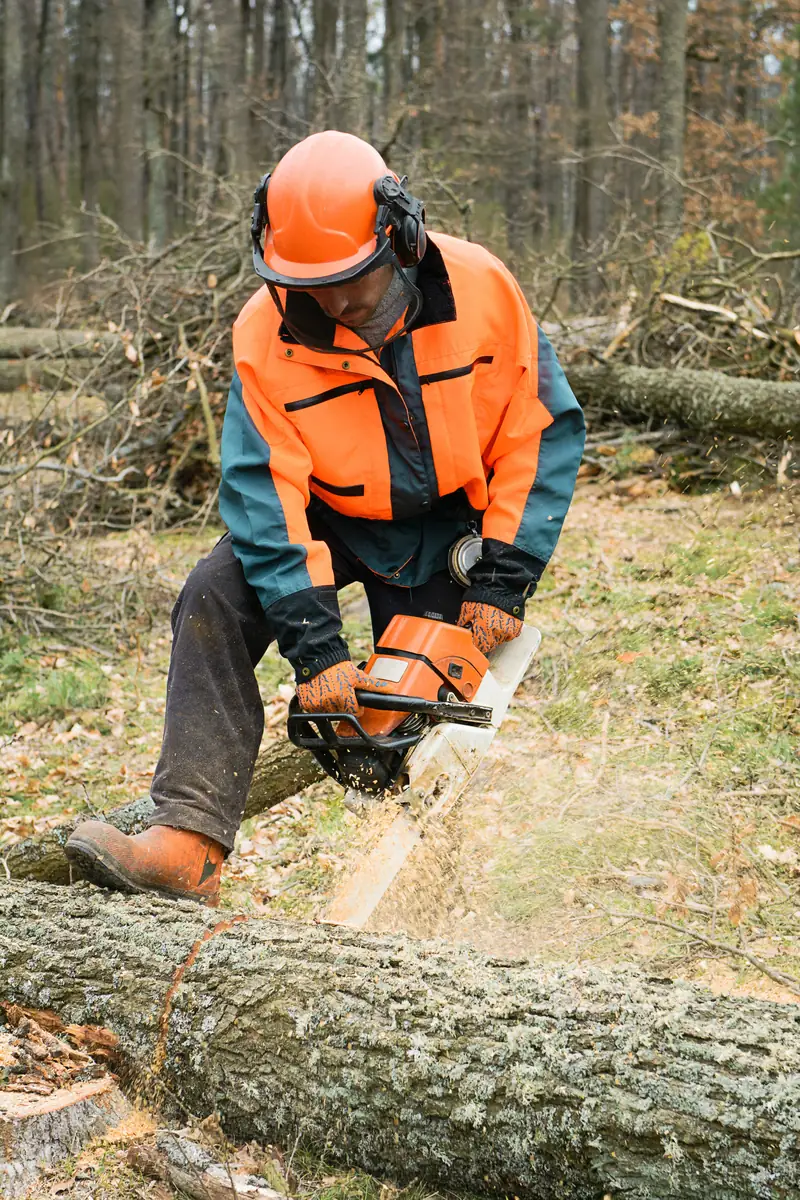
Good gear is your first line of defense. Wear sturdy, closed-toe boots with good grip, heavy work gloves, safety glasses, and hearing protection when running a saw. Long sleeves and pants protect against scrapes and thorns.
What to Wear, Head to Toe
- Head: A hard hat or climbing helmet if you will be under trees or near overhead limbs. A wide-brim hat helps with sun but does not protect against falling wood.
- Eyes: ANSI Z87.1-rated safety glasses or goggles. Use a face shield in addition when running a chainsaw or chipper.
- Ears: Earplugs or earmuffs rated for the noise level of your equipment. Chainsaws and leaf blowers are loud enough to damage hearing with regular use.
Heat and Fatigue Management
Storm cleanup often happens in hot, humid conditions, and heat illness is a real risk. Plan around it:
- Start early and work in shade when possible. Avoid the hottest part of the afternoon.
- Drink water before you are thirsty. OSHA advises drinking water every 15 minutes when working in the heat, even if you are not thirsty.
- Take frequent rest breaks in shade or air conditioning, and make them longer as the heat rises.
Safe Working Habits
Build safe habits into every session. Work in daylight, keep a phone charged, and never work alone on a hazardous job. Take regular breaks in shade and drink water, since heat and fatigue slow reaction time and raise the odds of an error.
- Lift with your legs, not your back, and keep loads close to your body. Split heavy piles into smaller loads or use a cart.
- Keep a first-aid kit, charged phone, and a way to call for help within reach.
- Set a hard stop time before dark and stick to it. Most injuries happen when people push to finish.
- Keep children and pets inside while you work, and mark hazards with cones or flags.
Pair up on any job that involves a chainsaw, a ladder, or a heavy lift. A second person can steady the ladder, watch for hazards, and call for help if something goes wrong.
Storm Cleanup Tools You Need and How to Use Them Safely
A basic kit covers most yard cleanup:
- Rake and leaf blower for leaves and small debris
- Heavy-duty tarp for hauling brush to the curb
- Pruning saw or loppers for branches under about 2 inches thick
- Chainsaw only for limbs you can handle safely, and only if you are trained
Keep blades sharp and guards in place. Never cut above shoulder height or stand on a ladder with a running saw. Chainsaws cause serious injuries quickly, so if a limb is large, high, or under tension, hire a professional instead.
Chainsaw Safety: What Homeowners Should Know Before Pulling the Cord
A chainsaw is the most dangerous tool in a storm-cleanup kit. Most chainsaw injuries come from kickback, the bar tip contacts wood or another object and the saw jumps back toward the operator, and from fatigue or poor footing. Before you start:
- Read the manual and take a hands-on class if you have never run a saw. Many community colleges, extension offices, and equipment dealers offer short courses.
- Wear the right gear: chainsaw chaps or pants, eye and face protection, hearing protection, heavy gloves, and boots with a good grip. Regular work gloves and safety glasses are not enough.
- Check the chain brake, chain tension, and bar oil before every use. A dull or loose chain increases kickback risk.
- Start on the ground, never on a ladder or in a tree. Homeowners should not do overhead cutting.
Cutting Technique That Reduces Kickback
- Keep both hands on the handles and your thumb wrapped under the front handle.
- Stand to the side of the cut line, not directly behind the bar.
- Let the saw do the work; do not force it or push the tip into wood.
- Cut at waist height or below. If a limb is above shoulder level, leave it for a professional.
When Not to Cut
Put the saw down and call a professional if any of these apply:
- The limb is touching or near a power line.
- The tree is leaning, cracked, or has lifted roots.
- The limb is hung up in another tree or under tension.
- The cut would require you to stand on a ladder, roof, or uneven slope.
A chainsaw cut can become life-threatening in minutes. Work with a partner who can call for help, keep a first-aid kit and tourniquet nearby, and stop before fatigue sets in.
Hand Tools and Hauling
For branches under about 2 inches, a sharp pruning saw or loppers is faster and safer than a chainsaw. Cut limbs into lengths you can carry or roll onto a tarp. Drag the tarp rather than lifting heavy piles, and keep loads small enough that you can see your feet and the ground ahead.
Step-by-Step Cleanup Sequence by Debris Size and Risk
Work from the lowest risk to the highest. This order keeps you safe and keeps the job organized:
- Clear leaves and loose debris from walkways and driveways.
- Gather twigs and small branches under 2 inches thick into piles.
- Remove medium limbs that lie flat on the ground, cutting them into short, manageable pieces.
- Address large or hanging limbs only if they are low, stable, and well away from lines. Otherwise, call a pro.
- Inspect the trees you cleared around for new cracks or lean.
- Haul debris to the curb or collection area in loads you can lift.
- Clean up the work area and remove trip hazards.
- Document the damage with photos before and after for insurance records.
Many homeowners skip the last step, then struggle with claims later. Photos take minutes and can protect you.
Sorting and Disposing of Storm Debris Legally
Sort your debris into groups before you put it out. Keep tree and yard debris separate from construction materials, appliances, and household hazardous waste, which go to separate drop-off sites.
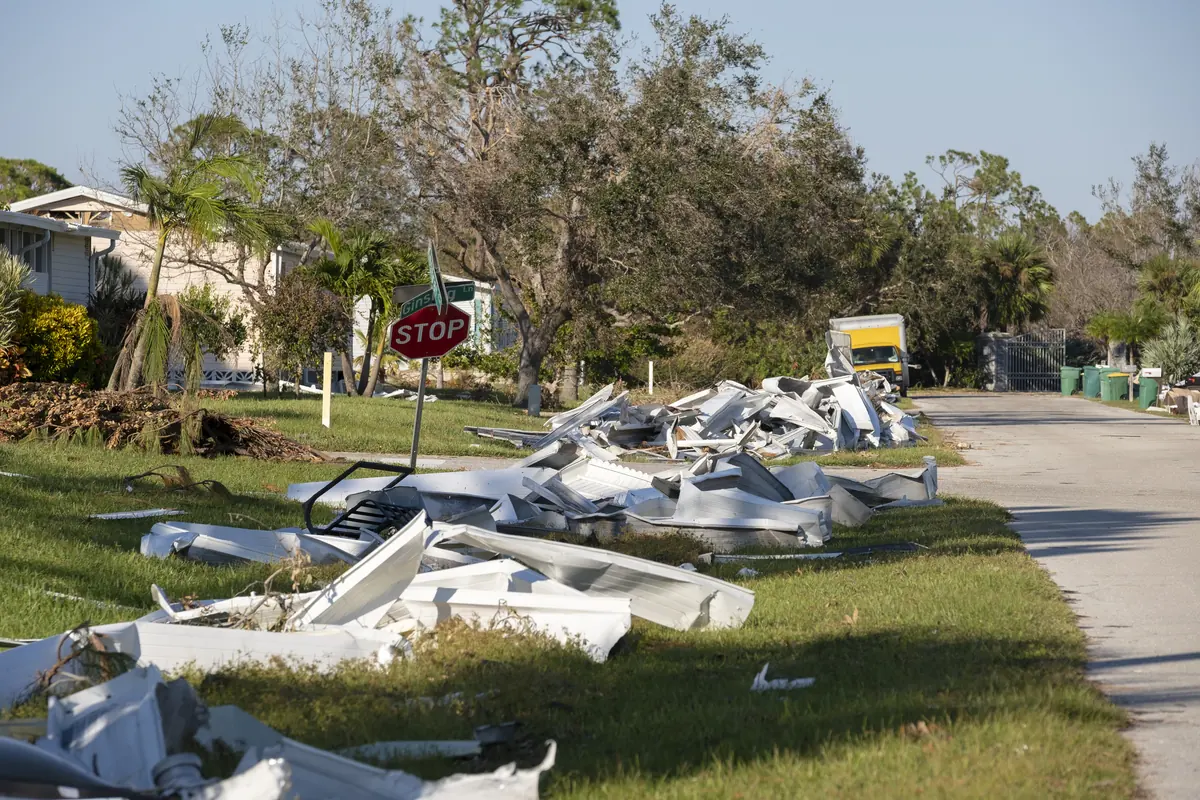
For regular yard waste pickup in unincorporated Hillsborough County, the county’s rules are:
- Limbs and branches must be less than 4 feet long and 6 inches in diameter.
- Yard waste must be bundled, neatly stacked, or placed in a yard waste container.
- Each container cannot exceed 50 pounds.
- Up to 3 cubic yards of stacked material can go out each week.
After a major storm, the county often runs a separate curbside debris collection with its own rules, so check its announcements before you stack piles. If you live in Tampa, Temple Terrace, Plant City, or Pinellas or Pasco County, follow your own city or county rules. Keep piles off the street and away from storm drains.
Do not burn debris without permission. Our lot clearing guide explains when the Florida Forest Service allows burning.
When to Call an Arborist After Storm Damage
Call an ISA Certified Arborist when a tree is leaning, cracked, split, or has lost a major limb. Professionals can assess whether a tree can be saved, pruned, or needs removal.
Get help quickly if a tree touches your home, blocks a driveway, or sits over a fence. Waiting can turn a manageable problem into a costly one. Our emergency tree service handles fallen trees and hanging limbs. For who pays, see fallen tree removal in Florida and tree damage and homeowners insurance.
Book a Free Estimate for Your Storm-Damaged Trees
Cleaning up storm debris is not a job to guess at. If you are unsure about a tree, a limb, or a hazard in your yard, the safest move is to have it looked at by people trained for it. Panorama Tree Care offers free estimates, and our team can help with storm-damaged trees across the Tampa Bay area.
Get a free estimate from Panorama Tree Care and get your yard safe again. To get ahead of the next storm, see our hurricane tree preparation guide.
Frequently Asked Questions
How do I safely clean up my yard after a storm?
Start by walking the property from a distance to look for downed power lines, leaning trees, and hanging limbs. If anything looks unstable or touches a line, stay back and call the utility company and a professional. Once the area is clear, wear gloves, eye protection, and sturdy footwear, then work in sections. Clear small debris first, such as leaves and twigs, then move to larger branches only when you are confident you can lift and cut them safely. Take breaks to avoid heat exhaustion and fatigue, which increase injury risk.
Is it safe to cut a storm-damaged tree myself?
Small branches on the ground that you can lift without strain are generally safe to handle. Cutting larger limbs, especially ones under tension, caught in other branches, or near structures and power lines, is risky and can cause serious injury. Chainsaws kick back and limbs can shift unexpectedly. If a branch is hung up, cracked at the trunk, or the tree is leaning, leave it to a certified arborist who has the equipment and training to do the work safely.
When should I call a professional to remove a fallen tree?
Call a professional if a tree is on a house, fence, vehicle, or power line, if the root plate has lifted, or if the trunk is split or leaning. You should also call when the job requires cutting heavy sections or using a crane. A qualified arborist can handle these hazards and reduce the chance of further damage. Panorama Tree Care offers free estimates, so you can get current pricing for your specific situation by contacting our team directly.
What should I do if a tree or branch is touching a power line?
Stay as far away as possible from the line and anything touching it, and keep others away as well. Treat every line as live, even if it appears to be down or the power seems off. Call 911, then your utility (Tampa Electric customers: 877-588-1010) to report the hazard. Do not attempt to move the branch, and do not go near a vehicle in contact with the line. Once the utility has cleared the area, a certified arborist can safely remove the tree or limb.