TL;DR: in Florida, most homeowners spend between
$800 and $3,500 per tree for
tree removal during 2026 — and the removal vs trimming cost tradeoff is worth weighing for borderline trees. Small trees under 30 feet can be as low as $200 when access is easy, while very large, hazardous, or crane-only trees over 80 feet can run
$5,000–$15,000+, especially once you factor in permits, crane time, and stump grinding.
Key Takeaways: Tree Removal Cost
- Typical tree removal cost (including the tree removal permit process): Most residential removals land between $800–$3,500 per tree, driven mostly by tree height, trunk diameter, and how easy it is to get equipment into the yard.
- By size: Small (<30 ft) $200–$800, medium (30–60 ft) $800–$2,500, large (60–80 ft) $2,500–$5,000, very large (80+ ft) $5,000–$15,000+ if complex or hazardous.
- Methods: Simple felling is the cheapest option, technical rigging is the mid-range workhorse, and crane-assisted removal is reserved for the biggest, riskiest trees and carries the highest price tag.
- Permits: Permit fees in the cost breakdown from Hillsborough County and protected tree rules can add hundreds or even thousands, especially if mitigation or replacement trees are required.
- Add-ons: Stump grinding, debris hauling, and root removal commonly add $150–$1,000+ per tree depending on size and access. If you only need the stump after a tree is already down, our stump grinding service in Florida can quote that as a standalone job.
- Discounts: You can often cut costs with multi-tree packages, off-season scheduling (Dec–Feb), and keeping some or all of the wood and chips on site.
- Licensing: Always confirm a valid Florida contractor license, current insurance, and get an ISA Certified Arborist for certified arborist estimates on hazardous or protected trees.
- Free quote: Panorama Tree Care provides a free, written estimate that includes an on-site inspection, method recommendation, and permit check.
Quick Definitions: What Is “Tree Removal Cost” in FL?
Tree removal cost, including any
protected oak removal cost, is the
total amount a homeowner pays per tree to have it safely cut down and removed by a professional crew. In real jobs around Hillsborough County, that usually means you’re paying for:
- Labor and equipment needed for felling, rigging, bucket truck work, or crane-assisted removal from start to finish
- Per-tree pricing based on height, trunk diameter, species, and risk level
- Disposal or chipping of limbs and trunk wood so the site is left reasonably clean
- Optional stump grinding add-on pricing, and sometimes deeper root ball removal if you plan to replant or hardscape
- Any required Hillsborough County permit fees, mitigation charges, or City of Tampa heritage tree costs
The numbers in this guide reflect the
average cost to remove a tree in Florida but adjusted to match what homeowners are actually being quoted in the 2026 market.
Tree Removal Cost — 2026 Average Pricing Table
Across most of Florida in 2026, the
average tree removal cost, including
dying tree removal cost jobs, ranges from about
$200 to $15,000+ per tree. The big price swings come from canopy height, trunk diameter, site conditions, and whether the crew can fell the tree or has to rig or crane every piece out.
2026 Tree Removal Cost by Height (Per Tree)
| Tree Size |
Height Range (ft) |
Typical Trunk Diameter (DBH, inches) |
Price Range (USD) |
Typical Method |
Time on Site (hours) |
Stump Grinding Add-On |
| Small |
< 30 ft |
6–12 in |
$200–$800 |
Simple felling / light rigging |
1–3 hrs |
$150–$300 extra |
| Medium |
30–60 ft |
12–24 in |
$800–$2,500 |
Rigging, bucket truck |
3–8 hrs |
$200–$400 extra |
| Large |
60–80 ft |
24–36 in |
$2,500–$5,000 |
Rigging or crane-assisted |
6–12 hrs |
$300–$500 extra |
| Very Large / Heritage |
80+ ft |
36+ in |
$5,000–$15,000+ |
Crane-assisted, complex rigging |
1–3 days |
$400–$800 extra |
Think of these as realistic
per-tree pricing ranges for normal residential jobs in Florida and nearby Hillsborough County neighborhoods. If you have a steep yard, a tight alley as your only access, a badly decayed trunk, or you need emergency storm cleanup, your quote can climb above these numbers pretty quickly.
What Factors Affect Tree Removal Cost? (7 Price Variables)
If you’re trying to answer “
how much does tree removal cost?” in Florida, the honest answer is that every job is different. In practice, though, almost every estimate comes down to seven things. Once you understand these, you can look at your own tree and make a fairly educated guess about whether you’ll land near the low or high end of the range.
1. Tree Height & Trunk Diameter
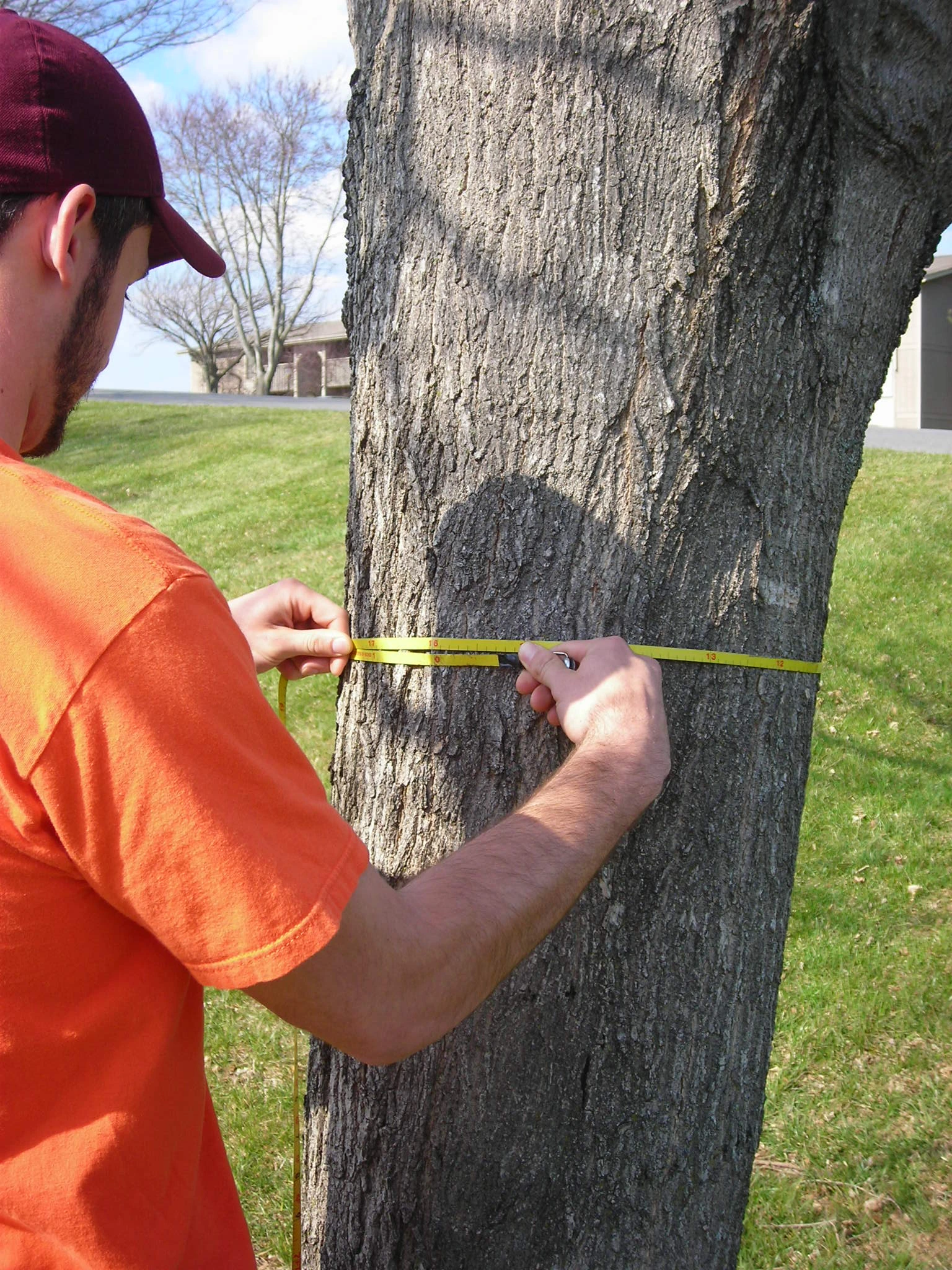 Canopy height
 and
trunk diameter at breast height (DBH) are the starting point for every serious estimate. Taller, thicker trees mean more weight in the canopy, more cuts to make, and more material to move out of the yard.
- Canopy height factor: Every extra 10 feet of height usually bumps the tree removal cost per foot. Crews have more climbing to do, more rigging points to set, and often have to run ropes across neighboring trees or structures.
- Cost per diameter inch: For a lot of jobs, stump grinding and some removals end up working out to around $4–$10 per DBH inch. Wide trunks mean more time on the saw, more grinding, and more hauling.
- Weight and volume: A big live oak can pack a massive amount of wood into a short, wide frame. All that weight translates into higher debris hauling fees, more chip truck loads, and longer cleanup.
Example from real jobs: A healthy 20-inch DBH laurel oak at about 50 feet in an average Florida subdivision might come in around
$1,200–$1,800. A 36-inch DBH water oak of similar height with a broader canopy and more internal decay can easily jump to
$2,500–$3,500 once rigging and hauling are factored in.
2. Proximity to Structures & Utility Lines
This is where many homeowners are surprised. A tree that looks simple from the street can get very expensive once you notice it’s hanging over a pool cage, screened lanai, or power service line.
- Proximity to structure surcharge: If branches overhang your roof, driveway, air conditioner, or screened enclosure, the crew can’t just drop limbs. They have to rig and lower almost every piece. That kind of technical work often adds 15–40% to the price compared to the same tree in an open field.
- Utility line clearance cost: Trees wrapped in power lines or brushing communication lines usually mean coordination with TECO or another utility. That slows the job, raises the risk, and shows up in the quote.
- Limited drop zone: Older Florida neighborhoods like Seminole Heights and West Tampa often have narrow lots, alley access, and zero open yard. That rules out simple felling and pushes the job into rigging or crane work.
3. Species Hardness & Wood Density
Two trees the same height are not always the same job. Florida’s mix of oaks, maples, pines, and palms all behave differently once a saw hits them. The species changes how long the work takes and what it costs to dispose of the waste.
- Hardwoods (laurel oak, live oak, water oak, maple): These are dense, heavy, and often have wide, low canopies. They take longer to cut up, they are harder on chains and equipment, and they increase debris hauling fees because the chip trucks fill fast.
- Palms (sabal, queen, Washingtonia, date): Usually narrower and easier to work around structures, but the fibrous trunks and crowns can be slow to grind. Palm stumps in particular can be stubborn and sometimes cost more than an equivalent hardwood stump.
- Invasive or brittle species: Trees with weak wood or advanced decay can snap unpredictably. That kicks in a hazard tree surcharge because the crew has to take smaller pieces, use more tie-in points, and keep climbers out of dangerous areas.
So a rotting laurel oak leaning toward a house can end up costing far more than a healthy, straight queen palm of the same height out in the middle of your lawn.
4. Crane vs Rigging vs Felling Method
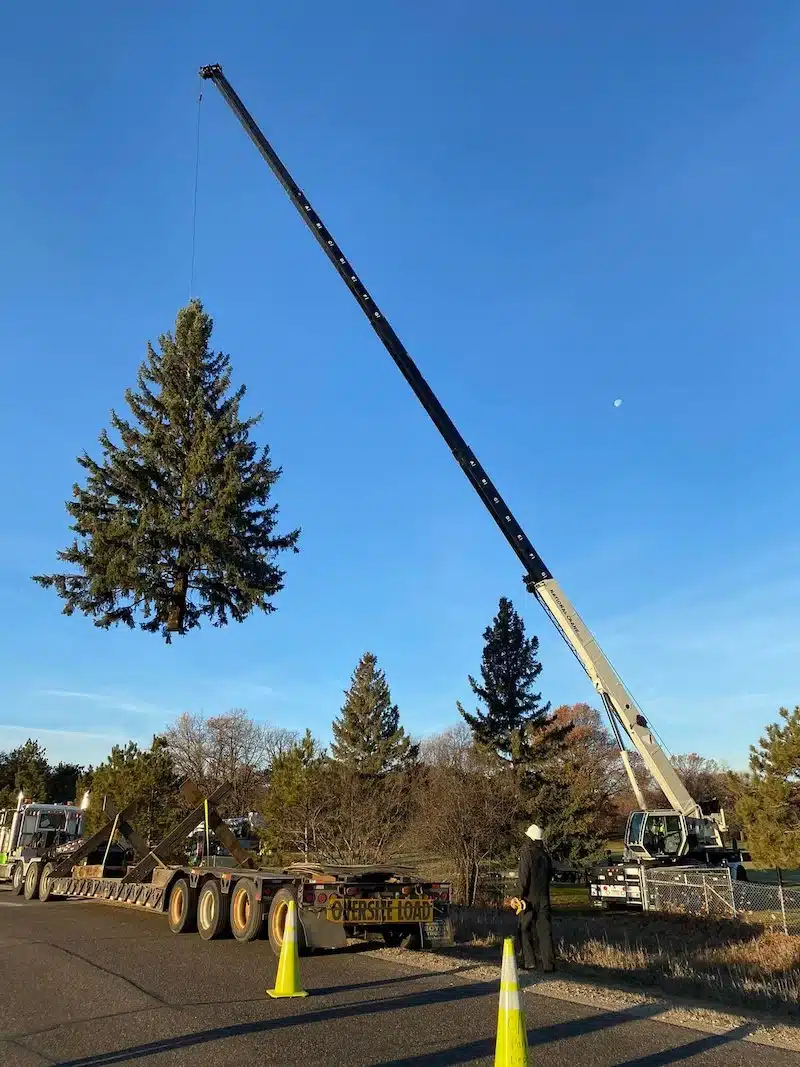
The
removal method is usually where the estimator earns their paycheck. Pick the wrong method and the job becomes unsafe or way too expensive. Pick the right one and the price makes sense.
- Felling: Cut the tree at the base and drop it in one shot into a clear landing area. This is the cheapest option, but yards rarely have the kind of wide-open space needed for anything bigger than a small tree.
- Rigging: A climber or bucket crew works from the top down, using ropes, friction devices, and pulleys to send pieces safely to the ground. This is the standard approach for most neighborhood removals and works well if there’s at least some room to lay down sections.
- Crane-assisted removal: A crane lifts sections away from the tree and sets them in a safe work zone. It can turn a multi-day nightmare into a single, well-planned shift, but you pay for that machine and operator.
There’s a detailed
DIY vs professional cost comparison for each method in a section lower in this guide, and for deeper technical info you can also look at dedicated resources on professional removal techniques.
5. Site Access & Yard Conditions
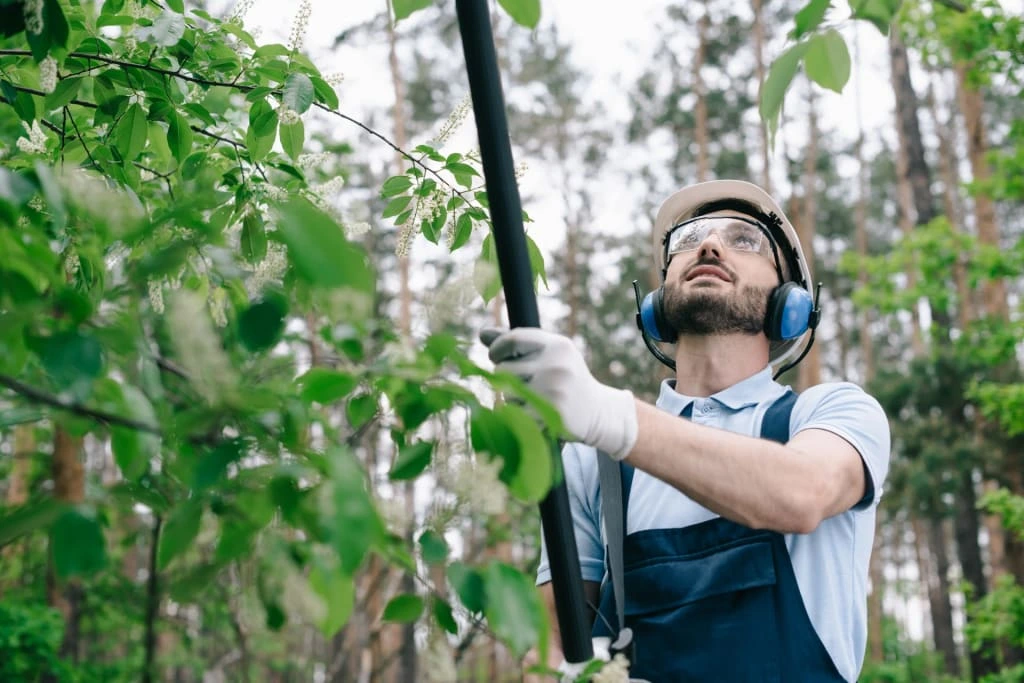
A perfect tree in a terrible yard can be more expensive than a problematic tree in a wide-open space. Access is a big one that homeowners tend to underestimate.
- Narrow side yards, low carports, and tight gates can block bucket trucks and full-size stump grinders. That forces more climbing and smaller equipment, which takes longer.
- Soft, saturated soil after heavy rain or older brick pavers can limit where machines can safely sit without causing ruts or damage. Crews may need extra time for matting and careful repositioning.
- Fences, irrigation, landscaping beds, sheds, and pools can all get in the way of moving big trunk sections, so pieces have to be cut smaller and carried farther.
On difficult sites like this, expect a
10–30% adjustment compared to the same tree in an open front yard with wide driveway access for trucks and machinery.
6. Permits, Protected Trees & Fines
Hillsborough County and the City of Tampa take
protected trees seriously. I see folks get in trouble on this more often than they expect. Cutting first and asking questions later can get very expensive.
Your estimate may include items such as:
- Permit application fees charged by the County or City for reviewing and inspecting your request
- Mitigation requirements calculated from the trunk diameter inches being removed, which can mean replanting or paying in-lieu fees
- Written reports from an ISA Certified Arborist documenting that a tree is hazardous, diseased, or damaging structures in a way that qualifies for removal under the code
If you ignore this part and cut a protected tree without permission, a
Hillsborough County protected tree fine can quickly dwarf what you would have paid for a permitted removal.
7. Timing: Emergency & Same-Day Removal
Storm timing changes everything. After a strong thunderstorm, tropical storm, or hurricane, Florida tree companies are scrambling. Crews work long hours and into the night, and that extra effort shows up on your bill.
- Emergency removal premium: True emergency jobs, especially those with trees on rooflines or blocking driveways, often carry a 25–100% surcharge over normal rates. You’re paying for after-hours labor and for bumping other work off the schedule.
- Same-day removal cost: If you insist on a specific date or ask for rush service during busy periods, that constraint usually gets baked into your quote even if the situation is not a full-blown emergency.
If your tree isn’t an immediate threat, you can usually save quite a bit by scheduling non-urgent work in the
off-season, roughly December through February, when crews aren’t chasing as many storm calls.
Hillsborough County Tree Removal Permit Costs (2026 Fee Schedule)
Before you start budgeting, review the
preparation steps before removal and check whether your tree is protected and how the
Hillsborough County permit fee schedule looks for 2026. The rules are similar but not identical between unincorporated Hillsborough County and the City of Tampa, especially for oaks.
Typical 2026 Hillsborough County Tree Permit Costs (Residential)
| Fee Type |
Typical 2026 Range (USD) |
Notes |
| Standard permit application fee |
$50–$125 per application |
Paid to County or City, covers staff review and any required field inspection |
| Protected tree mitigation |
$40–$100 per DBH inch |
Assessed per trunk diameter inch for protected species or sizes |
| Heritage tree replacement ratio |
2–4 trees planted per tree removed |
You may be able to pay an in-lieu fee if there’s no room to replant on site |
| Expedited / rush processing fee |
$75–$250 |
Only offered in some cases, shortens review time when available |
| Processing time |
5–15 business days |
Depends on workload, time of year, and how complete your application is |
Key points for homeowners:
- Plenty of smaller, declining, or clearly hazardous trees can be removed with reduced or no permit headache if your ISA certified arborist estimate documents the condition correctly for the local code.
- The Hillsborough County protected tree fine for removing a qualifying tree without a permit can reach the thousands per tree. It’s not something you want to gamble on.
- The City of Tampa often treats grand and heritage oaks more strictly than the County, so what’s allowed in one jurisdiction might not fly in the other.
For step-by-step permit instructions, current forms, and exact diameter thresholds, you’ll want to review the official County and City resources or focus on
getting accurate tree service quotes from a company that handles the paperwork for you.
Tree Removal Cost by Method: Crane vs Rigging vs Felling
The
tree removal method is a major piece of the pricing puzzle. You can think of it as the base style of job you’re paying for. Below is a Florida-specific look at what felling, rigging, and crane-assisted removal usually cost in 2026.
| Method |
Price Range (Per Tree) |
Best For |
Lot / Neighborhood Type |
| Felling |
$300–$1,500 |
Small to medium trees where there’s a safe, clear drop zone |
Large open yards, rural areas, corner or edge-lot properties |
| Rigging (climber / bucket) |
$800–$3,500 |
Medium to large trees near homes, fences, and driveways |
Typical Florida subdivisions, tight side yards, alley-access lots |
| Crane-assisted removal |
$2,000–$10,000+ (per tree) |
Very large, severely leaning, decayed, or overbuilt trees |
Dense neighborhoods, no-drop zones, houses nearly under the canopy |
Crane-Assisted Removal: Specs & Cost Drivers
Crane work is the “heavy artillery” end of the
pros and cons of tree removal. Crews use it for
very large, decayed, or totally inaccessible trees that would take days to dismantle by climbing. It’s especially common around older Florida streets with heavy oaks spanning roads and houses.
| Crane-Assisted Removal Attribute |
Typical Value in Florida |
| Crane rental cost (per day) |
$1,500–$3,500+ including certified operator |
| Minimum lot access width |
10–12 feet for smaller cranes, more space needed for high-capacity units |
| Operator certification requirement |
Yes, a certified crane operator is required on professional jobs |
| Typical weight capacity needed |
15–40+ tons depending on tree size, distance, and pick radius |
| Typical use case |
Over-house removals, decayed heritage oaks, zero drop zones, or badly leaning trees in tight lots |
Because crane days are costly, many companies add a separate
crane removal surcharge on top of the normal crew and rigging rates. On the other hand, cranes often
cut total labor time dramatically — a real crane vs rigging cost comparison shows that a tree that might take two long days of rigging can be handled in a single well-planned crane day, which can make the final price more reasonable than it sounds.
If you want to dig into the technical
crane vs rigging methods versus felling beyond just price, you can ask your estimator to walk you through exactly how they plan to tackle your tree, why that method is safer, and what alternatives would cost.
Additional Costs: Stump Grinding, Hauling & Root Removal
Many homeowners are surprised to learn what the removal process includes: usually
cut it down, clean up the mess, and leave the stump. Anything past that is usually an add-on. In Florida, the most common extras are
stump grinding,
debris hauling beyond the basics, and deeper
root removal.
Stump Grinding Service Costs
Stump grinding is the go-to finish because it’s effective and far less invasive than digging out the whole root ball — see the full
stump grinding vs removal options guide for the side-by-side. In most yards, grinding the stump flush or a bit below grade is more than enough for sod or mulch.
| Stump Grinding Attribute |
Typical Florida Value |
| Cost per stump diameter inch |
$3–$7 per inch (DBH) |
| Minimum charge (Florida) |
$100–$175 per visit |
| Grinding depth below grade |
6–12 inches, deeper if you request it for planting or construction |
| Root removal add-on |
$100–$500+ depending on how far the roots run and what’s above them |
| Debris disposal included? |
Varies, many crews rake chips into a pile on site, full haul-away usually costs extra |
If you aren’t sure whether to grind or fully remove a stump, think about what you want to do with that space. Grass or mulch beds usually only need grinding. New slab, driveway, or a big planting bed might justify deeper removal and extra cost.
Debris Hauling, Chipping & Dump Fees
Most standard quotes will include
basic limb chipping, raking the work area, and leaving your yard in decent shape. Extra charges show up when the amount of material is higher than normal or when the disposal site is far away.
- Large trunk pieces that won’t go through a chipper must be loaded and hauled separately or cut for firewood on site.
- Multiple loads to a disposal, recycling, or biomass facility increase fuel and tipping costs.
- Palm debris, storm-damaged wood, or mixed loads sometimes cost more to dump or take more time to handle.
in Florida, you’ll often see:
- $50–$200 per job in extra debris hauling fees if there are heavy logs or multiple dump trips
- Disposal site fees folded into your quote based on estimated weight and distance
Root Ball Extraction & Root Removal Cost
Full
root ball removal cost is on a different level from basic grinding. This is what you’re dealing with if you want to pour a slab, build a wall, or get rid of a big root flare that’s heaving concrete.
- Crews often bring in mini-excavators, skid steers, or larger machines to dig out the root system.
- Yard repair and backfilling are needed afterward, especially in irrigated lawns or landscaped beds.
- All that soil and root mass has to go somewhere, so hauling costs jump.
In real Florida jobs, you’ll typically see:
- $200–$1,000+ per tree for full root ball extraction
- The lower end for small ornamentals or younger trees, the higher end for mature oaks and large palms
How to Save Money on Tree Removal
You don’t need to chase every “
cheap tree removal” flyer on your door and hope for the best. There are smarter ways to cut costs while still getting a
licensed, insured contractor who knows what they’re doing.
1. Schedule in the Off-Season
Florida tree crews run hard during and right after
storm seasons and heavy rain. If your tree isn’t an emergency, you can often do better by planning ahead.
- Booking between December and February usually means more open calendars and better time slots.
- Crews and specialized equipment like cranes or large grinders are easier to schedule during slower months.
- Some companies quietly offer off-season discounts or may waive minor fees just to keep the schedule steady.
2. Use Multi-Tree Discounts
Every time a crew rolls a truck, sets cones, and lays out gear, that’s a cost. If they can
set up once and handle multiple trees, their cost per tree drops, and they can often pass some of that savings to you.
- Have an arborist walk your property and flag all trees that may become a problem in the next 3–5 years.
- Bundle removals and heavy pruning into one project so you only pay for mobilization once.
- Ask directly about a “multi-tree discount” or adjusted per-tree rates when you group work.
3. Keep Some Wood or Mulch On-Site
Hauling is often the easiest line item to trim. If you’re willing to keep some material, you can cut the quote without cutting corners on safety.
- Have the crew cut trunk sections into firewood lengths and stack them where you want them.
- Ask if they can leave wood chips for mulch in beds or natural areas. It’s rough mulch but makes a great weed barrier.
- Skip extra hauling services you realistically don’t need, especially on larger lots.
On big trees, especially oaks, that simple choice can shave
$50–$300+ off your total, depending on how many dump trips it avoids.
4. Bundle Stump Grinding with Removal
I see folks split these up all the time and end up paying more. Every separate trip means another minimum charge and more travel time.
- Ask to have stump grinding included in the initial removal quote whenever possible.
- Most companies will lower the effective stump grinding add-on because they already have a crew and equipment on site.
5. Avoid Unlicensed or Uninsured Operators
Those “friend of a friend” crews with old pickups and no paperwork might hand you a cheap number, but they can cost you a lot more in the long run.
- Some kinds of tree work in Florida need to meet Florida contractor license requirements and local business licensing rules.
- If someone without proper coverage gets hurt on your property, you could be on the hook for medical bills or legal trouble.
- Improper rigging or felling can take out roofs, fences, service lines, or neighbors’ property, and then the finger-pointing starts.
Always confirm:
- An active Florida contractor license or appropriate local tree service registration for the type of work
- Current general liability and workers’ compensation insurance with proof, not just a verbal claim
- ISA Certified Arborist involvement if the job involves hazardous or protected trees
6. Ask About Hidden Costs Upfront
One mistake I see constantly is homeowners comparing a “full service” quote to a bare-bones number and thinking they’re the same. They’re not.
- Ask if debris hauling is fully included or capped to a certain number of loads.
- Confirm whether stump grinding is part of the price or listed as a separate line.
- Clarify if there’s a potential crane removal surcharge if the crew decides a crane is needed on the day of the job.
- Agree in writing on who is responsible for permit costs and any Hillsborough County protected tree fine risk if the jurisdiction views the tree differently.
Getting all of that spelled out keeps you from being surprised later and makes it much easier to compare estimates side by side.
How to Get a Free Tree Removal Estimate
The only way to get a reliable number is a
professional on-site estimate. Ballpark calculators are fine for curiosity, but a real quote should be a short, written plan that explains what’s happening and why.
What a Professional Estimate Should Include
A solid Florida tree removal estimate will usually cover more than just a price. Look for these pieces:
- ISA assessment: An ISA Certified Arborist or trained estimator checks the tree’s lean, decay, canopy balance, root issues, and any signs of disease or structural weakness.
- Permit check: They verify whether your tree meets Hillsborough County or City of Tampa thresholds for protected or heritage status and whether a permit is needed.
- Method recommendation: A clear explanation of whether they’ll use felling, rigging, or crane-assisted removal, plus why that choice makes sense for your property.
- Written quote: A breakdown that separates tree removal, stump grinding, hauling, and any permit handling fees instead of one vague number.
- Timeline: An expected start date, how long the work should take, and any weather or access issues that might change the plan.
Panorama Tree Care Free Estimate Details
Panorama Tree Care offers a
free estimate service for homeowners across the wider the area, and that’s usually where your project should start.
| Panorama Tree Care Estimate Attribute |
Typical Value |
| Estimate cost |
Free |
| Response time |
Often 1–2 business days to get on the schedule, with true emergencies pushed to the front |
| Assessment includes |
ISA inspection, permit check, recommended method, and a detailed written quote |
| Service area |
the region, covering multiple Hillsborough County ZIP codes plus nearby Pinellas and Pasco areas |
| Payment options |
Cash, major credit cards, and on larger jobs, staged payments or financing options when available |
During that visit, the estimator should also walk you through the
removal process explained step by step. From how crews will access your yard to how they’ll protect landscaping to what the cleanup will look like when they pull away, you should know exactly what you’re signing up for.
Tree Removal Pricing by Size: Entity Breakdown for Florida
Let’s break tree removal pricing by size down a bit finer (for storm scenarios, also see
emergency fallen tree removal pricing). These categories line up with what we see most often in Florida and help you match your own tree with a realistic range for height, diameter, method, and crew time.
| Tree Size Category |
Height Range (ft) |
Trunk Diameter (DBH, inches) |
Florida Price Range (USD) |
Method Typically Used |
Time Estimate (hours) |
| Small ornamental / palm |
10–30 ft |
6–12 in |
$200–$800 |
Felling or basic rigging |
1–3 hrs |
| Medium shade tree |
30–50 ft |
12–20 in |
$800–$1,800 |
Rigging, sometimes bucket truck |
3–6 hrs |
| Tall neighborhood oak |
50–70 ft |
20–30 in |
$1,800–$3,500 |
Rigging, bucket, possible mid-size crane |
6–10 hrs |
| Very large / heritage oak |
70–90+ ft |
30–40+ in |
$3,500–$15,000+ |
Full rigging, large crane-assisted |
1–3 days |
If you stand back and see a
very large oak over 80 feet, close to a structure, with visible decay, you’re sitting in the top tier of Florida pricing right away. On the other hand, a modest palm away from anything important usually stays in the lowest or middle bands.
Common Mistakes Florida Homeowners Make (and How to Avoid Them)
I’ve watched a lot of homeowners learn these lessons the hard way. Here are the avoidable mistakes that tend to make
tree removal cost in Florida higher, riskier, or just plain more stressful than it has to be.
Mistake 1: Chasing the Lowest Bid Only
Issue: That rock-bottom quote almost always leaves something out. Could be
permitting, stump grinding, debris haul-off, or proper insurance. You only find out after the work starts or when something goes wrong.
Fix: Get at least two detailed quotes, ideally three. Make sure each one clearly lists the method, what’s included, and who’s handling the permit. Then ask for proof of insurance and a license number, not just a “yeah, we’re covered.”
Mistake 2: Ignoring Permits and Protected Status
Issue: Cutting a tree that qualifies as protected or heritage without going through the process can trigger a
Hillsborough County protected tree fine that’s far higher than a legal removal would have cost.
Fix: Have an
ISA Certified Arborist or your chosen tree service check the local
permit fee schedule, species list, and DBH requirements before any saw touches the trunk. If the tree is hazardous, make sure its condition is documented with photos and a short written report.
Mistake 3: DIY on Large or Near-Structure Trees
Issue: Renting a big saw or a
stump grinder rental and going after a tall tree near your house, your neighbor’s fence, or power lines is how a lot of injuries and property damage happen.
Fix: Keep DIY work to small, isolated shrubs or young trees you can control safely from the ground. For anything near a structure, line, or over about 15–20 feet tall, you’re safer and often cheaper in the long run hiring a professional crew.
Mistake 4: Not Clarifying Add-Ons
Issue: Many homeowners assume stump removal, root work, and full cleanup come standard. Then the invoice shows separate line items for the
stump grinding add-on, root ball removal cost, and debris hauling fees they never budgeted for.
Fix: Ask for a written quote that explicitly breaks out tree removal, stump grinding, root work, and hauling. Decide exactly what level of cleanup you want so there’s no confusion later.
Mistake 5: Waiting Until Storm Season
Issue: Sitting on a questionable tree until June or later raises the odds you’ll face
emergency near-house removal pricing and possibly storm damage to your home or vehicles.
Fix: If an arborist marks a tree as hazardous or you see obvious issues like deep cracks or heavy lean, plan removal in the
dry, off-peak months. You’ll have more contractor options and lower, steadier pricing.
FAQ: Tree Removal Cost
Here are straight answers to common questions about
tree removal cost Florida homeowners ask, from cheap options to insurance to emergency work.
1. What is the cheapest way to remove a tree in Florida?
The lowest-cost scenario is a
small, accessible tree with a clear fall zone where a crew can simply fell it and clean up. Jobs like that can start around
$200–$400 when access is easy and there’s not much to haul. If the tree is near a house, fence, or line, skip DIY and pay a licensed pro. The extra cost is a lot less than a roof repair or ER visit.
2. Does homeowners insurance pay for tree removal?
Most homeowners policies cover
tree removal only if a covered peril causes damage. For example, if a storm knocks a tree onto your roof or blocks your driveway, the policy may reimburse removal and part of the repair. Preventive work to remove a healthy tree is rarely covered. Always call your carrier first and get clear on what documentation they want before you schedule work.
Contact our certified arborists in Florida for a free assessment and estimate.
3. Do I need a permit to remove a tree on my property?
In many cases, yes, especially for larger
protected and heritage trees. Both Hillsborough County and the City of Tampa use trunk diameter and species lists to decide what needs a permit and mitigation. Cutting without the proper authorization risks a
protected tree fine. For exact rules and step-by-step instructions, review the current local requirements or work with a service that handles permits regularly.
4. How much does emergency tree removal cost in Florida?
Emergency removal pricing comes with a premium because crews are working nights, weekends, or in unstable post-storm conditions. Expect
25–100% more than a standard job. That means a $2,000 planned removal can jump to
$3,000–$4,000 when the same tree hits your roof after a storm and needs to come off immediately.
5. How much does stump grinding cost in Florida?
For most yards, stump grinding runs around
$3–$7 per diameter inch with a typical
$100–$175 minimum per visit. A mid-size stump often ends up in the
$150–$300 range depending on how wide it is, how close it is to obstacles, and whether you want the chips left in place or hauled away.
6. Can I get a payment plan for a large tree removal?
Some Florida-area companies, including larger outfits like Panorama Tree Care, do offer
payment options or can connect you with third-party financing on big-ticket removals. If your project is several thousand dollars or more, ask during the estimate about staged payments, deposits, and any financing they work with.
7. How can I tell if a quote is fair for my tree?
Start by collecting at least
two or three written estimates from licensed, insured companies. Each quote should describe tree size, removal method (felling, rigging, crane), and all add-ons like stump grinding and hauling. If one number is way below the others and leaves out key details, there’s usually a reason. A fair quote won’t always be the cheapest, but it will be clear and complete.
8. Do I need an ISA Certified Arborist for every removal?
Not necessarily. For simple removals of small, unprotected trees in clear areas, a certified arborist is helpful but not mandatory. For
borderline hazardous trees, suspected disease, or any tree that may be protected, an
ISA Certified Arborist estimate is strongly recommended and in some cases required by Hillsborough County or the City of Tampa to approve a permit.
Final Summary: Plan Your Tree Removal Budget
By 2026, most homeowners are looking at
$800–$3,500 per tree for typical removals, with prices jumping for very tall trees, hazard cases, limited access jobs, or ones that trigger permits and mitigation. Your cost comes down to
height, diameter, removal method, distance to structures and utilities, timing, and code requirements.
To keep your budget under control, insist on a
written, line-item estimate from a
licensed, insured contractor who understands Hillsborough County and City of Tampa rules and brings in an
ISA Certified Arborist anytime protected or questionable trees are involved.
Next step: Reach out to Panorama Tree Care to set up a
free on-site estimate for your tree removal in Florida. You’ll get a clear, no-obligation quote that explains the method, timeline, permit situation, and every expected cost before a single cut is made.